The regional government of Castilla y León has officially authorized 92 establishments to host the traditional chapas game during Easter week, reviving a centuries-old gambling tradition that forms an integral part of the region's cultural identity.
Provincial Distribution of Authorizations
León province leads with 29 authorized establishments spread across multiple localities including Ponferrada, La Bañeza, and Sahagún. Valladolid follows closely with 24 permits, while Palencia secured 23 authorizations for the Easter period.
The remaining provinces show more modest participation: Burgos obtained eight authorizations, Segovia received six permits, and Zamora was granted two licenses. These figures may experience slight variations as the application period remains open.
92
Total authorized establishments
29
León province permits
24
Valladolid permits
23
Palencia permits
8
Burgos permits
6
Segovia permits
2
Zamora permits
100m
Minimum distance from schools
Traditional Gameplay and Modern Regulation
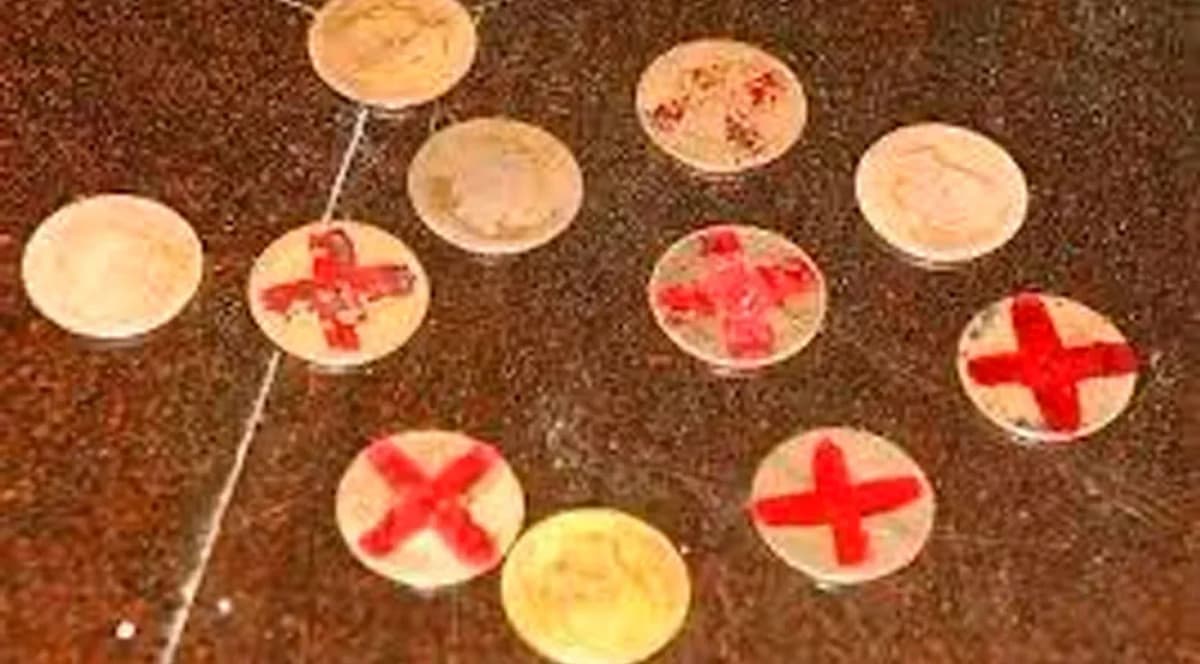
The chapas game typically occurs after Easter religious ceremonies, involving the throwing of two coins known as "perras gordas" – currency minted during the reign of Alfonso XIII. Participants gather in circles to place cash bets on whether both coins will land showing heads or tails.
When results are mixed, rounds continue until achieving matching combinations. The "baratero" – the designated game organizer – oversees each session and must pay administrative fees covering the entire authorized period.
Game Rules
All bets must be made exclusively in cash, and venues must be located more than 100 meters from educational centers
Historical Context
The 'perras gordas' coins used in chapas date back to Alfonso XIII's reign (1886-1931) and are now collector's items. Original coins from this period can be worth significantly more than their face value, making authentic gameplay both a cultural experience and an encounter with Spanish numismatic history.
Cultural Significance and Official Support
Regional Presidency Minister Luis Miguel González Gago emphasized the tradition's importance, stating:
“The chapas game is a key tradition that forms part of Easter identity in numerous towns of Castilla y León”
— Luis Miguel González Gago, Minister of the Presidency
González Gago highlighted the government's role in providing legal security, explaining that official authorization aims to:
“Provide legal security to organizers and protect players against possible improper conduct”
— Luis Miguel González Gago, Minister of the Presidency
The minister further characterized the tradition's social value:
“This tradition represents, above all, a form of socialization and collective fun, and there should never be deception in its practice”
— Luis Miguel González Gago, Minister of the Presidency
Regulatory Framework and Enforcement
The activity operates under Castilla y León's Games and Betting Catalog and corresponding regulations. The framework establishes comprehensive rules governing gameplay mechanics and organizational requirements, including mandatory municipal permits for authorized venues.
The regulation period extends from Holy Thursday through Easter Sunday, encompassing the core Easter celebration period. Violations carry serious penalties, with regulations classifying clandestine games, equipment manipulation, unpaid winnings, and disrespectful conduct as grave or very grave infractions.
Licensing Process
Establishments seeking authorization must obtain both regional gaming permits and municipal venue licenses. The dual-approval system ensures compliance with both cultural heritage preservation requirements and local zoning laws, creating a comprehensive oversight framework that didn't exist when the tradition operated informally.
Balancing Tradition with Modern Oversight
This official authorization demonstrates how regional authorities can preserve cultural heritage while implementing contemporary regulatory safeguards. The structured approach ensures traditional practices continue under proper supervision, protecting both organizers and participants while maintaining the authentic character of this deeply rooted Easter custom.
Yes, the game is open to all participants regardless of residency status. However, all bets must be made in cash and players should familiarize themselves with the basic rules before joining a circle.
Unauthorized chapas games are classified as grave or very grave infractions under regional regulations. Penalties can include substantial fines and potential closure of the venue during the Easter period.
Chapas is intrinsically linked to Easter religious celebrations in Castilla y León tradition. The authorization period from Holy Thursday through Easter Sunday aligns with the core Easter observance when the cultural practice historically takes place.
According to AzarPlus.
Legal Disclaimer
This content reflects a general overview of regulatory frameworks based on publicly available information. It does not constitute legal advice or a legal opinion. iGamingWriter.blog disclaims any liability arising from reliance on this material.