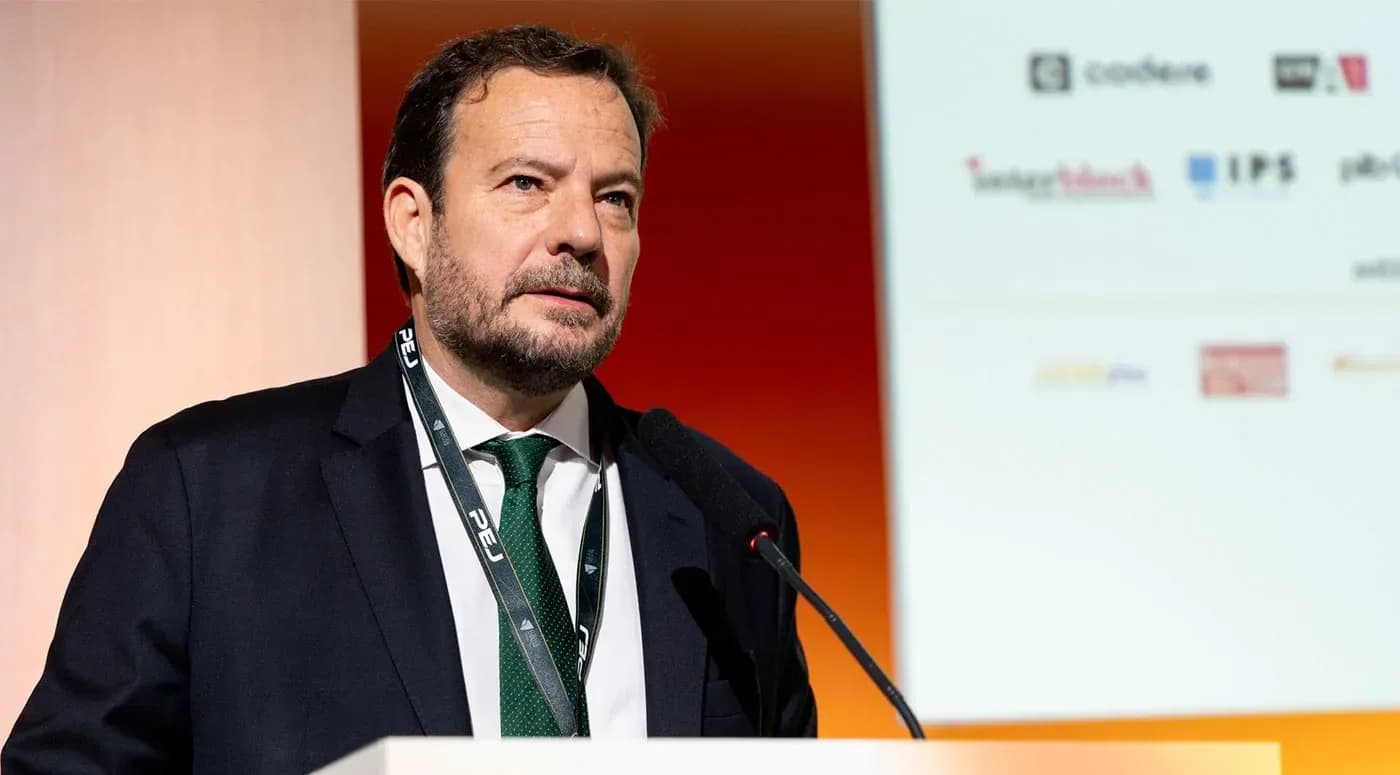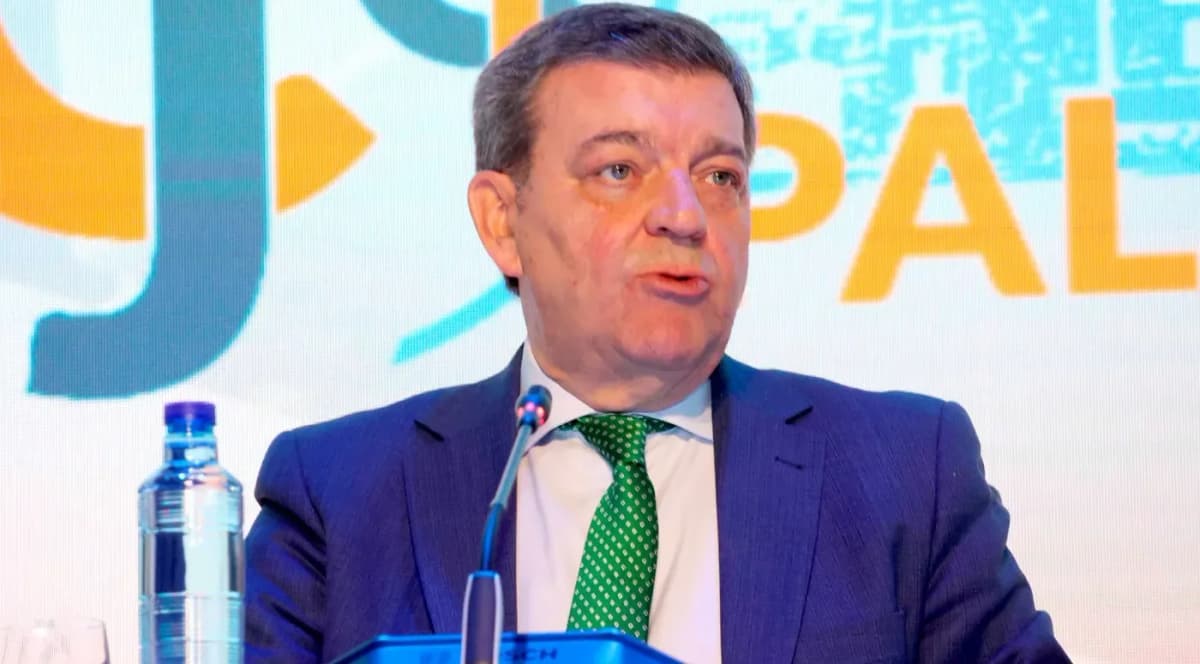
Continuity rarely makes headlines, but in regulated markets it often carries more strategic weight than change. The reaffirmation of Luis Miguel González Gago as consejero de la Presidencia in Castilla y León's new executive sends a clear signal to the private gaming industry: the policy direction set over recent years is not being reversed.
Alfonso Fernández Mañueco, president of the Junta de Castilla y León, presented the composition of his new government for the XII Legislatura with an explicit emphasis on "stability and certainty." González Gago's reappointment was framed as recognition of his "extensive professional track record" and "effective management" to date.
A Regulator Who Sees Gaming as Legitimate Business
For operators and industry associations, González Gago's retention matters because of where he stands on contested questions. He has consistently characterised gaming as a legitimate business activity that generates employment, drives economic output, and contributes meaningful fiscal revenues — a framing that contrasts sharply with the moralising tone prevalent in other regional administrations.
His tenure produced the 2024 Gaming Law (Ley del Juego de 2024), a modernised regulatory framework designed to balance sector development with social protection. Central to that framework is the Comisión Técnica de Juego Responsable, the body charged with responsible gambling oversight.
González Gago has also been an outspoken critic of what he describes as "clear bias" in state-level regulations that favour public gaming bodies SELAE and ONCE at the expense of private operators — a competitive distortion that mirrors broader tensions documented in Spain's lottery sector disputes over digital sales models.
On the conference circuit, he was instrumental in reviving the Congreso de Juego de Castilla y León, re-establishing it as a meaningful national forum for sector dialogue.
“A village without a bar is a village where life becomes very difficult.”
— Luis Miguel González Gago, Consejero de la Presidencia
That philosophy extends to hospitality policy, where his administration introduced direct grants of €3,000 or 3,000 euros to help keep bars open in small rural municipalities — a measure that underscores his sensitivity to the economic realities of smaller communities.
Regulatory Context: The 2024 Gaming Law
The Ley del Juego de 2024 represents Castilla y León's most significant legislative update to its gaming framework in recent years. Operators active in the region should ensure compliance documentation is aligned with this law's dual mandate — sector development alongside the Comisión Técnica de Juego Responsable's responsible gambling requirements. Non-compliance with the social protection components could attract scrutiny even within a pro-business regulatory environment.
What the Industry Should Watch
González Gago's continuation provides the private gaming sector with a rare commodity: a known interlocutor who prioritises dialogue before regulation. For operators with exposure in Castilla y León, this removes short-term legislative uncertainty and preserves the framework established by the 2024 law.
The unresolved tension with SELAE and ONCE, however, remains a live issue. Whether González Gago can leverage a full legislative term to push back more effectively against state-level competitive asymmetries will be the defining test of this second mandate — and one that operators across other autonomous communities will be watching closely. The broader pattern of Spanish regional administrations taking divergent positions on gaming regulation is also visible in areas like Castilla-La Mancha's decision to freeze gaming taxes for 2026, illustrating how fiscal and regulatory philosophy varies sharply across the country.
The article identifies the Comisión Técnica de Juego Responsable as the responsible gambling oversight body created under the 2024 Gaming Law, but does not detail its procedural requirements for operators. Operators should seek direct clarification from the Junta de Castilla y León on reporting obligations, audit cycles, and compliance thresholds before expanding activities in the region.
González Gago has publicly characterised state-level regulations as creating a competitive distortion that favours public gaming bodies SELAE and ONCE over private operators. Operators in other regions facing similar dynamics should monitor whether Castilla y León's challenge produces any legislative or regulatory precedent at the national level, as outcomes here could inform advocacy strategies elsewhere.
The article frames the reappointment as a signal of continuity and notes the XII Legislatura began with an explicit emphasis on 'stability and certainty.' However, political circumstances can change within any legislative term, and the source does not disclose mechanisms that would bind policy direction beyond the current executive composition. Operators should treat the current framework as stable but continue monitoring for any shifts in coalition dynamics.
According to AzarPlus.
Legal Disclaimer
This content reflects a general overview of regulatory frameworks based on publicly available information. It does not constitute legal advice or a legal opinion. iGamingWriter.blog disclaims any liability arising from reliance on this material.