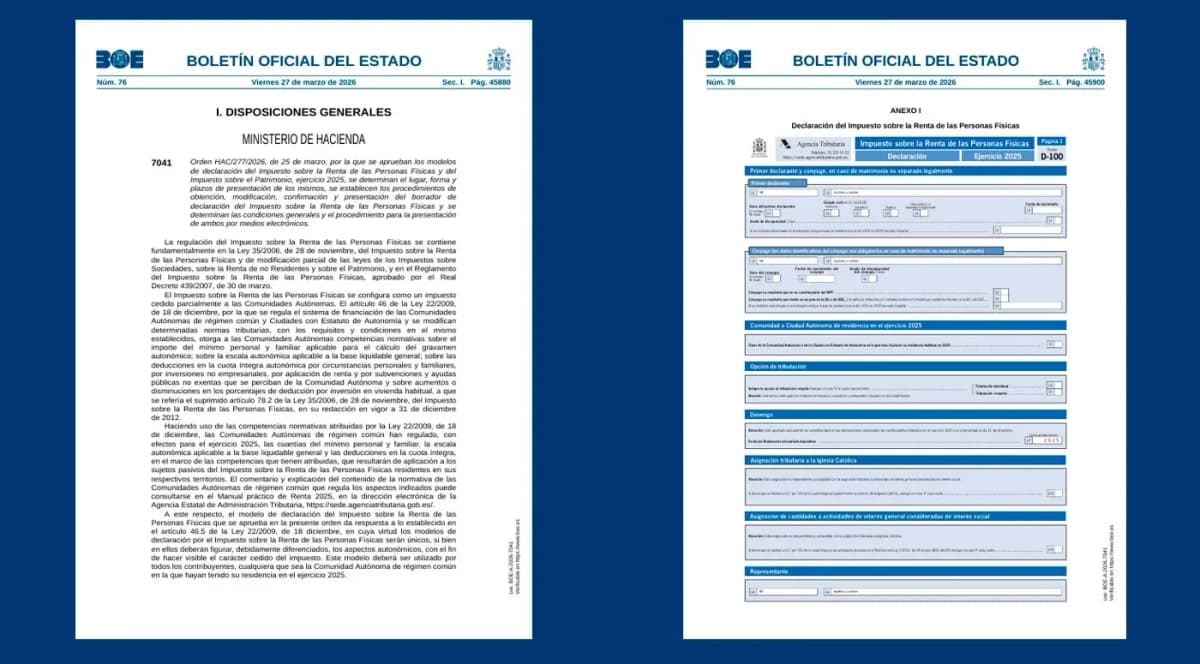
Spain's tax authority has unveiled sweeping changes to how gaming winnings must be reported in 2025 tax returns, introducing separate categories based on withholding status that could significantly impact online betting enthusiasts and casual prize winners alike.
The Ministry of Treasury presented new IRPF and Impuesto sobre el Patrimonio declaration models that fundamentally restructure how gaming profits are categorized and taxed. The reforms target what officials describe as clarity gaps in current reporting requirements.
Separate Tracking for Withheld and Non-Withheld Prizes
The new framework establishes distinct reporting paths within the Model D-100 tax form. Under the revised system, taxpayers must navigate different requirements depending on whether their gaming winnings were subject to automatic withholding.
“To facilitate the determination of the obligation to declare, capital gains derived from games without advertising purposes are distinguished according to whether or not they are subject to withholding”
— Spanish tax regulation
The regulation extends this categorization to promotional activities, noting that advertising-related gaming prizes receive similar treatment based on withholding status.
New Form Structure Targets Compliance Gaps
Taxpayers must now utilize the redesigned block F1 section within Modelo D-100, specifically engineered to handle contest, raffle, and random combination prizes separately. This structural change addresses concerns that contributors were inadvertently omitting income due to uncertainty about prior taxation.
The reforms maintain existing provisions allowing gaming losses to offset gains within annual limits established by Hacienda, preserving some balance for frequent players.
Record-Keeping Best Practice
Maintain separate digital folders for withheld versus non-withheld gaming activities throughout the year. Include screenshots of platform statements, withdrawal confirmations, and any tax certificates issued by operators to streamline your 2025 tax preparation process.
Stark Disparities Between Public and Private Gaming
The changes highlight pronounced differences between public and private gaming taxation. While SELAE and ONCE maintain partial tax exemptions, online platform winnings integrate directly into general taxable income. This classification can push taxpayers into the highest 47% tax bracket when combined with employment income.
“Capital gains derived from prizes from games with advertising purposes are equally distinguished according to whether or not they are subject to withholding”
— Tax regulation provision
Warning
Players using multiple gaming platforms may unknowingly cross income thresholds that trigger different tax obligations. Private platform winnings combined with traditional employment can unexpectedly push taxpayers into Spain's highest tax brackets, while similar amounts from SELAE or ONCE remain partially exempt.
High-Stakes Compliance Requirements
The regulatory stakes are substantial. Incorrect reporting or omissions can trigger administrative sanctions reaching 150% of owed amounts. The Tax Agency's enforcement capability has expanded significantly, as licensed gaming operators must submit periodic transaction reports covering customer activities.
Declaration thresholds depend heavily on overall income status. Taxpayers earning over 22,000 euros annually from a single employer must report any gaming gains, regardless of amount. When gaming represents the sole income source, declaration obligations begin at 1,600 euros in net profits.
150%
Maximum penalty for incorrect reporting
€22,000
Annual income threshold requiring gaming declaration
€1,600
Net profit threshold for sole gaming income
47%
Highest tax bracket for combined income
Implications for Digital Gaming Growth
These reforms arrive as Spain's online gaming sector continues expanding, creating potential friction between regulatory compliance and platform accessibility. The enhanced reporting requirements may influence player behavior patterns and operator customer acquisition strategies moving forward.
Yes, if you earn over €22,000 annually from a single employer, you must report any gaming gains regardless of amount. The withholding status determines which section of Form D-100 to use, but doesn't eliminate the reporting requirement.
Promotional gaming prizes now follow the same dual-category system as regular gaming winnings. You'll report them in different sections of block F1 depending on whether the sponsor applied automatic withholding when awarding the prize.
Yes, the ability to offset gaming losses against gains within Hacienda's annual limits remains intact. However, you must maintain detailed records showing both withheld and non-withheld transactions to properly categorize them in the new form structure.
According to AzarPlus.
Legal Disclaimer
This content reflects a general overview of regulatory frameworks based on publicly available information. It does not constitute legal advice or a legal opinion. iGamingWriter.blog disclaims any liability arising from reliance on this material.