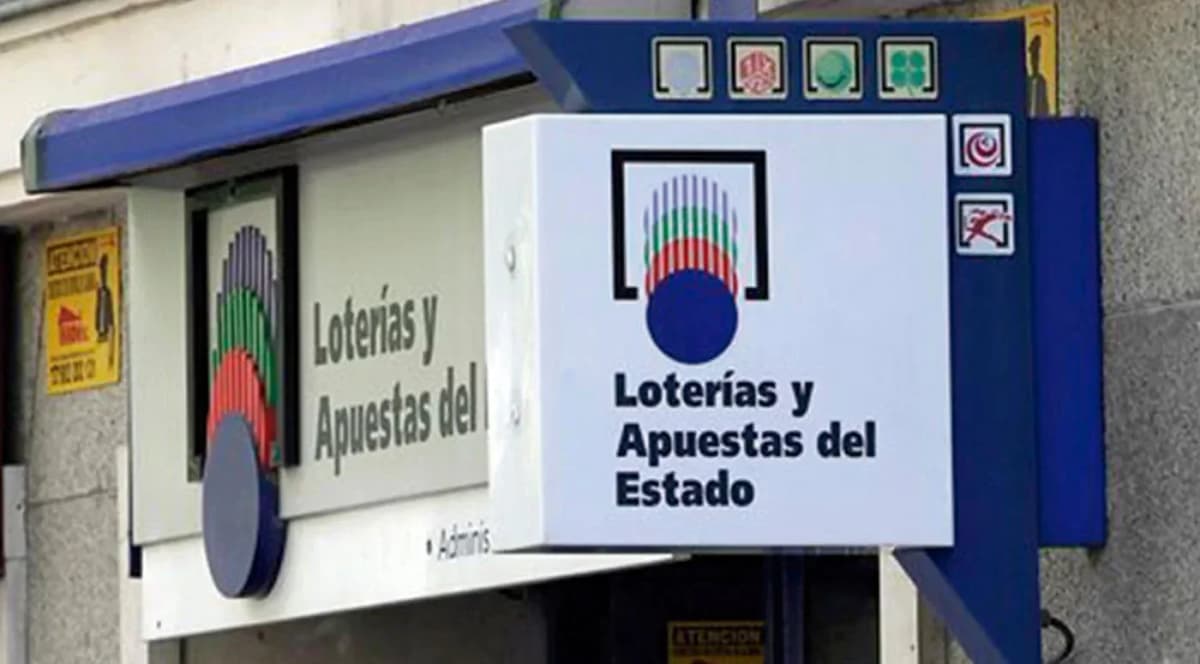
Spanish lottery associations have escalated their confrontation with state operator SELAE into mainstream media, denouncing what they characterize as systematic revenue manipulation through the official online platform that threatens the foundation of Spain's lottery distribution network.
The conflict centers on accusations that SELAE's digital sales system allows transactions to remain unlinked to physical lottery administrations, effectively bypassing the commission structure that sustains more than 10,000 lottery outlets across Spain. Under current regulations, all lottery purchases – including online sales – must be assigned to specific physical points of sale to generate retailer commissions.
The Trigger: Unassigned Prize Exposes System Flaws
The controversy erupted after lottery associations discovered a La Quiniela prize worth €617,579 sold through SELAE's official website without any associated point of sale. This finding prompted sector organizations to investigate similar cases, revealing what they claim is a broader pattern rather than an isolated incident.
“Trap”
— Lottery associations describing SELAE's official website system
Associations DEDIT and Loteros en la Lucha argue this mechanism fits within SELAE's broader strategy to establish a unified online sales platform under direct state control, which they condemn as a digital monopoly that would concentrate all digital lottery sales in the operator's hands.
Spain's Lottery Network Structure
Spain operates one of Europe's most decentralized lottery systems, with over 10,000 physical outlets serving as the primary distribution network. Each outlet depends on a commission structure tied to sales volume, making the digital transition particularly sensitive for small business owners who often operate single-location administrations with limited diversification options.
Financial Impact on Traditional Retailers
The stakes are substantial for lottery retailers. Industry calculations suggest SELAE's digital consolidation could strip approximately 30% of billing from physical administrations – precisely the portion increasingly dependent on online channels, which already represent nearly 20% of total lottery business.
“Digital monopoly”
— How associations describe SELAE's planned unified online sales platform
This digital revenue threat compounds existing financial pressures on lottery retailers, who report that frozen prices, commission rates unchanged for over two decades, and rising operational costs have already reduced profitability by up to 60% for many administrations.
Escalating Institutional Tensions
The dispute has moved beyond industry circles into Spain's political sphere. Recent developments include Senate hearings where lottery operators directly accused SELAE of monopolizing online sales and undermining sector equilibrium, as reported on April 22, 2026.
Adding to the institutional breakdown, ANAPAL declared on April 9, 2026 that dialogue with Loterías had reached an impasse, directly accusing the state entity of betting against its own sales network.
“Betting against its own sales network”
— ANAPAL's accusation against Loterías
Industry Implications and Digital Transformation
The controversy highlights fundamental tensions in Spain's lottery sector as digital transformation accelerates. While online sales growth presents opportunities for expanded market reach, the current dispute reveals how technological advancement can disrupt established revenue-sharing models that have sustained traditional retail networks for decades.
The outcome of this confrontation will likely determine whether Spain's lottery distribution maintains its historical model of supporting thousands of small retailers or transitions toward centralized digital operations controlled directly by the state operator.
All lottery sales, including online purchases, must be assigned to specific physical points of sale to generate retailer commissions. This system has remained largely unchanged for over two decades, creating the current tension as digital sales grow rapidly.
Online channels currently represent nearly 20% of total lottery business in Spain. Industry projections suggest SELAE's digital consolidation could affect approximately 30% of physical administrations' billing, particularly impacting their most profitable segments.
A centralized digital system would fundamentally alter Spain's lottery distribution model, potentially forcing thousands of small retailers out of the market. This could transform Spain from a decentralized network supporting local businesses to a state-controlled digital monopoly similar to systems in other European countries.
According to AzarPlus.
Legal Disclaimer
This content reflects a general overview of regulatory frameworks based on publicly available information. It does not constitute legal advice or a legal opinion. iGamingWriter.blog disclaims any liability arising from reliance on this material.