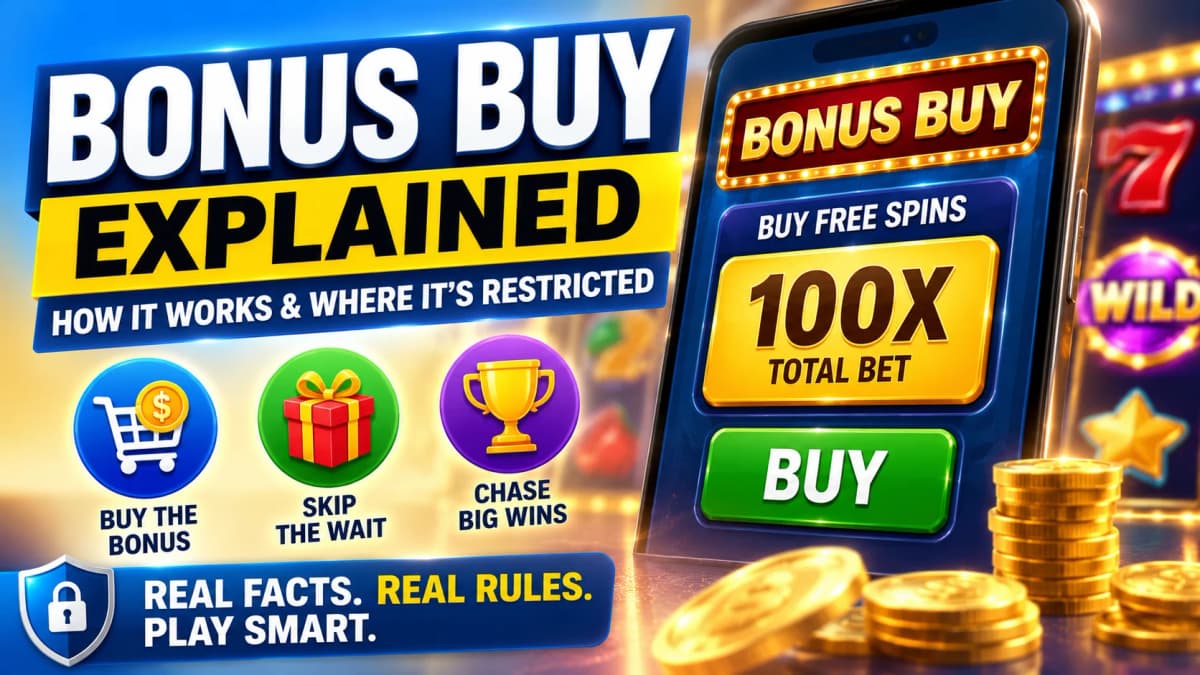
Bonus Buy is a slot feature that lets a player pay a fixed multiple of their stake to skip directly into a game's bonus round, rather than waiting for it to trigger naturally through ordinary spins. It doesn't guarantee a specific win – only entry into the feature itself – and it remains banned outright in at least one regulated market and restricted in several others.
This guide is written for informational purposes only. It explains how a specific slot mechanic works, not whether you should use it. Bonus Buy carries the same underlying house edge as any other part of a licensed slot, and nothing here should be read as encouragement to spend money on it.
Few slot mechanics have generated as much genuine industry debate as Bonus Buy. On one side, it gives players a transparent, upfront choice about exactly when and how much they're spending to reach a bonus round. On the other, it lets a meaningful sum of money disappear in a matter of seconds, which is precisely why regulators haven't treated it uniformly. This guide covers what Bonus Buy actually is, how the pricing works, what it does and doesn't guarantee, and exactly where in the world it's been restricted or banned.
What Is Bonus Buy?
Bonus Buy is an optional slot feature, usually accessed through a dedicated button near the spin control, that lets a player pay a set cost – typically expressed as a multiple of their total stake – to enter a game's bonus round immediately instead of relying on a random in-game trigger.
The core idea is straightforward: bonus rounds are where the overwhelming majority of a slot's biggest payouts actually happen, and reaching one naturally can take anywhere from a handful of spins to several hundred, depending on the game's built-in hit frequency. Bonus Buy removes the uncertainty around when that moment arrives, though it changes nothing about the uncertainty of what happens once you're there. Paying for the feature buys access to the round – not a specific outcome inside it.
How Does Bonus Buy Actually Work?
A player selects the Bonus Buy option from the game menu, pays the listed price (deducted immediately from their balance), and the game moves directly into its bonus round – free spins, a pick-a-prize mini-game, or a respin feature, depending on the title – with every subsequent outcome still generated independently by the game's certified RNG.
| Step | What Happens |
|---|---|
| 1. Select Bonus Buy | Player chooses the option, usually shown as a separate button or menu next to the standard spin control |
| 2. Pay the listed price | The cost, typically expressed as a stake multiplier, is deducted immediately from the player's balance |
| 3. Enter the bonus round | The game moves directly into free spins or another bonus format, with all outcomes still fully RNG-generated |
The clearest takeaway from that table is the one detail most players overlook: step three is where the real randomness lives. Nothing about paying for entry changes how the bonus round itself plays out – a purchased feature can still underperform relative to its price, exactly the way a naturally triggered one can.
Bonus Buy Pricing: How Much Does It Actually Cost?
Bonus Buy prices typically range from around 60 times the stake up to several hundred times it, though a small number of titles push considerably higher, and the price rarely correlates directly with a game's overall win potential.
Pricing varies enormously between studios and even between titles from the same developer, and there's no single industry standard. Some games charge a flat fee for one fixed configuration. Others offer tiered pricing, where a higher payment buys a stronger or longer version of the bonus round. A smaller number of titles use dynamic pricing, where the cost scales with how many scatter symbols worth of entry a player is effectively purchasing. What almost never happens is a direct, reliable relationship between a higher Bonus Buy price and a proportionally higher realistic payout – a game charging a steep multiple isn't automatically a better value than one charging considerably less.
Does Bonus Buy Change a Slot's RTP?
Sometimes, yes – a handful of titles publish a distinct, often higher, RTP specifically for Bonus Buy purchases compared to natural play, though this isn't universal and needs to be checked on a game-by-game basis.
This is a detail worth taking seriously rather than assuming either way. Some studios build a modest RTP increase into the purchased version of their bonus round, reflecting the fact that guaranteed entry removes some of the variance built into natural triggering. Other titles keep RTP completely identical whether the feature is bought or earned organically, with only volatility shifting between different Bonus Buy price tiers. Neither approach is inherently better or worse – but assuming a game's RTP stays fixed regardless of how you reach the bonus round is a mistake worth avoiding, since the actual figure is always published in the game's paytable and takes only a moment to check.
Bonus Buy vs. Natural Triggering: What's the Difference?
Natural triggering means the bonus round activates randomly during ordinary play, usually after landing enough scatter or bonus symbols across a number of unpredictable spins; Bonus Buy removes that waiting period entirely in exchange for an upfront, fixed payment.
The distinction matters because it changes how variance is distributed across a session, not how much variance exists overall. A player relying on natural triggers spreads their spending across potentially hundreds of ordinary spins before ever reaching a bonus round, some of which land smaller wins along the way.
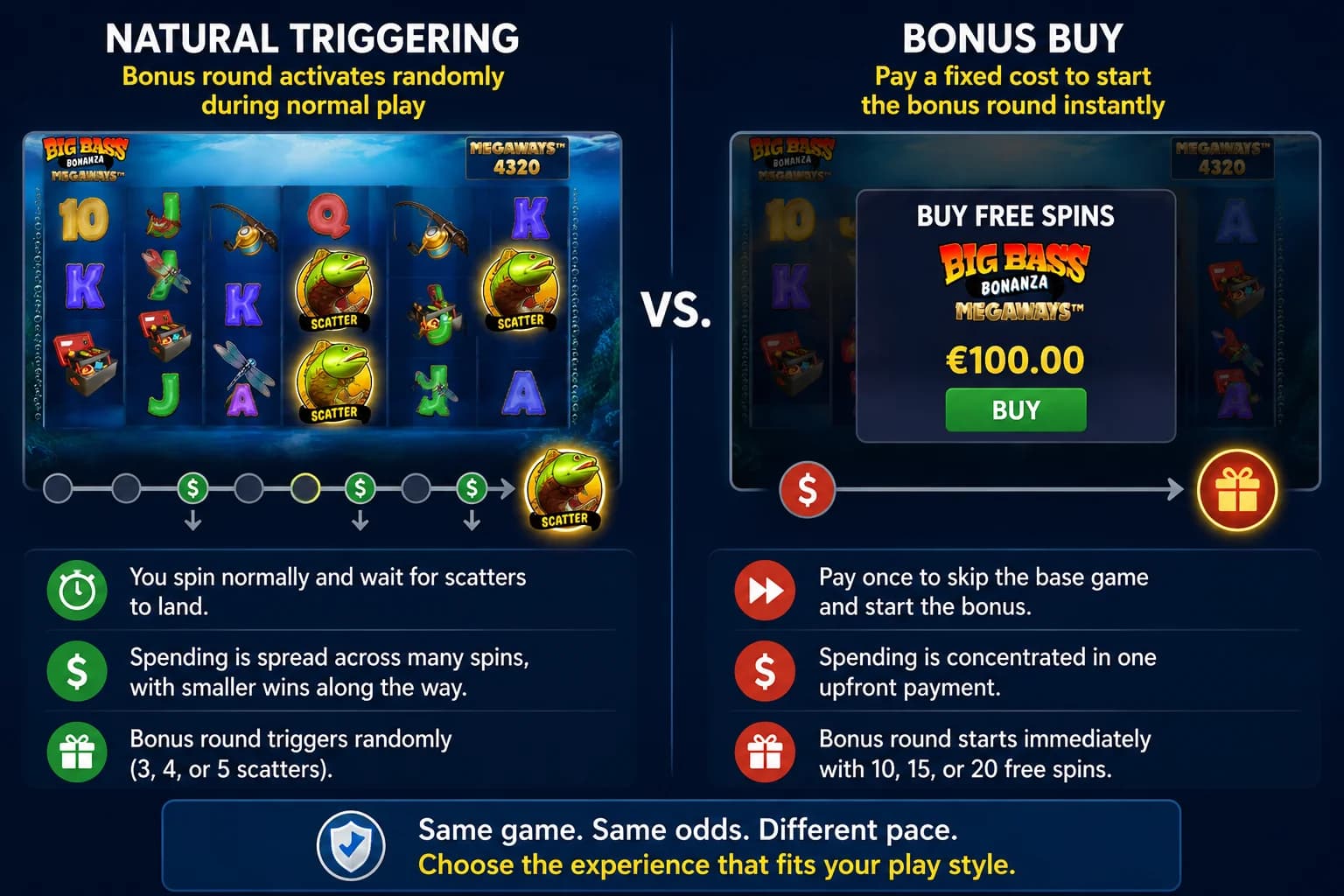
A player using Bonus Buy concentrates that same spending into a single upfront payment, skipping the base game's smaller wins entirely in exchange for guaranteed, immediate access to the bigger feature. Neither path changes the underlying math of the game itself – it's a choice about pacing and predictability, not a way to improve your odds.
Where Is Bonus Buy Banned or Restricted?
The Netherlands banned the Bonus Buy feature outright, while several other regulated markets, including parts of the UK, restrict its use in specific contexts – such as preventing it from counting toward bonus wagering requirements – without banning it entirely.
| Market | Status |
|---|---|
| Netherlands | Banned outright |
| United Kingdom | Permitted, but restricted in some contexts (e.g., excluded from certain bonus wagering) |
| Most other regulated markets | Generally permitted, subject to standard slot regulations |
That regulatory split is worth understanding on its own terms: it reflects two genuinely different philosophies about player protection, not a simple right-versus-wrong split. The Netherlands' Gambling Authority concluded the feature specifically increases risk by allowing rapid, concentrated spending, and chose an outright prohibition as a result. Regulators taking the more restrictive-rather-than-banned approach have generally judged that with sufficient guardrails – such as excluding the feature from certain bonus terms – the mechanic can remain available without the same level of concern. Rules can and do change, so always confirm the current status in your own jurisdiction rather than relying solely on this guide.
Why the Bonus Buy Feature Remains Controversial
Bonus Buy draws criticism specifically because it allows a large sum of money to be spent in a very short window of time, and because the way wins get reported afterward can make a purchased round look more profitable than it actually was relative to its cost.
A few of the specific arguments critics raise, alongside the case supporters make in response:
- Speed of spending. A single Bonus Buy purchase at a high multiplier can consume a meaningful bankroll in seconds – critics argue this concentrated pace carries more risk than the same money spent gradually across ordinary spins.
- Reporting ambiguity. If a player pays a large multiple of their stake and wins back a smaller multiple, that's still commonly framed as a "win" in isolation, even though the net result relative to the purchase price may be negative.
- Accessibility concerns. At least one national regulator has concluded the feature specifically increases risk for players already prone to problem gambling patterns.
- The counterargument for transparency. Supporters note that Bonus Buy gives players an exact, upfront number to weigh a decision against, rather than an unpredictable number of spins whose total cost isn't known in advance.
Both sides of this debate are worth taking seriously, which is exactly why the feature remains genuinely unsettled across different regulatory approaches rather than a settled question with one universally accepted answer.
Nothing about understanding this mechanic changes the odds of any individual purchase, and no amount of research turns Bonus Buy into a reliable way to profit. If you're using this guide to inform a real-money decision, please set a firm budget in advance and treat any purchase as final.
Examples of Bonus Buy Slots in Practice
Bonus Buy pricing and structure vary considerably across the industry, and looking at a handful of real examples makes those differences far more concrete than pricing figures alone.
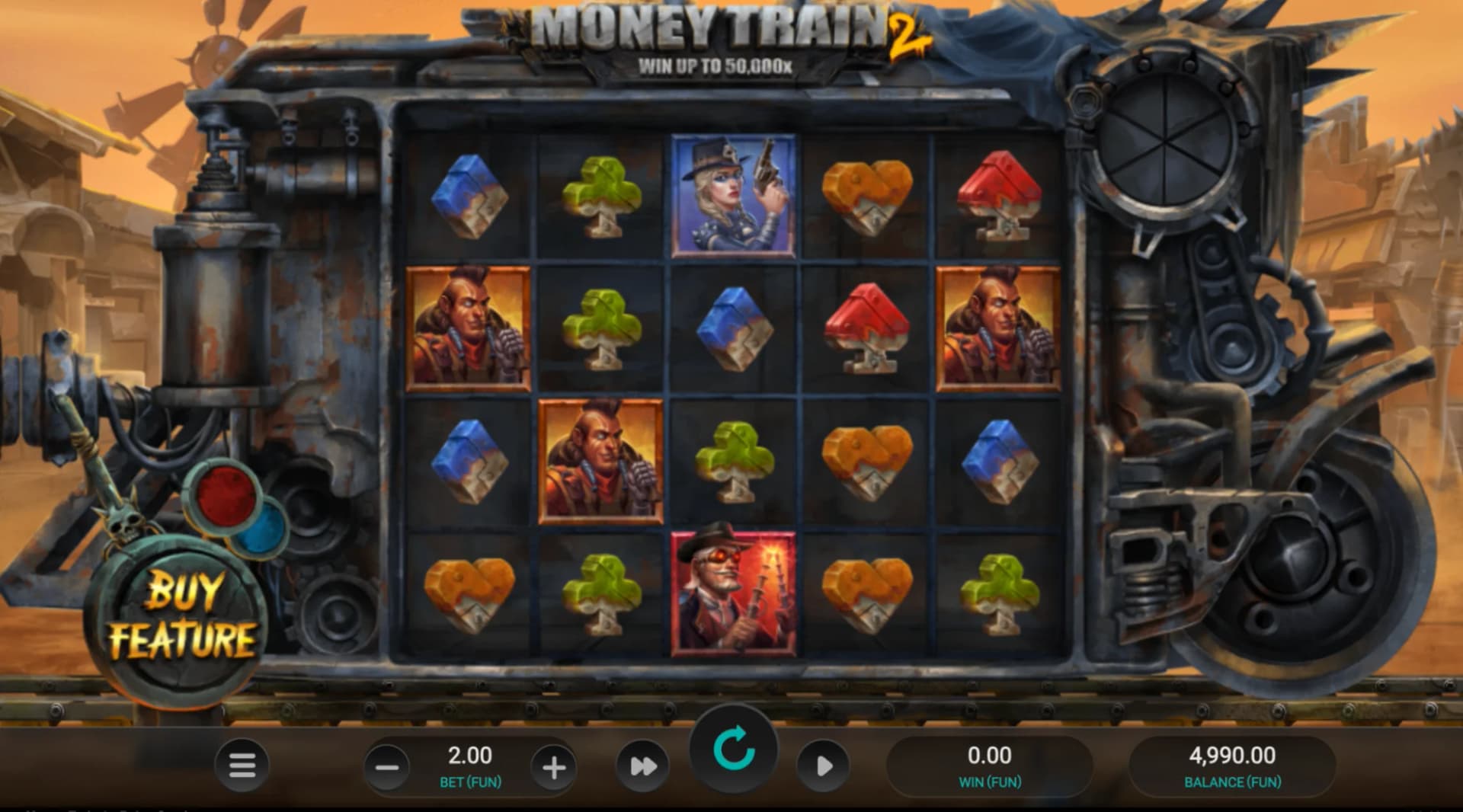
Money Train 2, from Relax Gaming, charges 100 times the stake to enter its Money Cart Bonus directly, skipping the wait for the Respin symbol to land naturally on the middle reel. The bonus round itself features a cast of named characters that collect, multiply, and boost cash values in different ways, giving the purchased feature genuine mechanical depth rather than a flat, single-outcome trigger. Its 50,000x theoretical max win has made it one of the most frequently streamed Bonus Buy purchases in the industry, though reaching anywhere near that ceiling remains a rare outcome even after paying for entry.
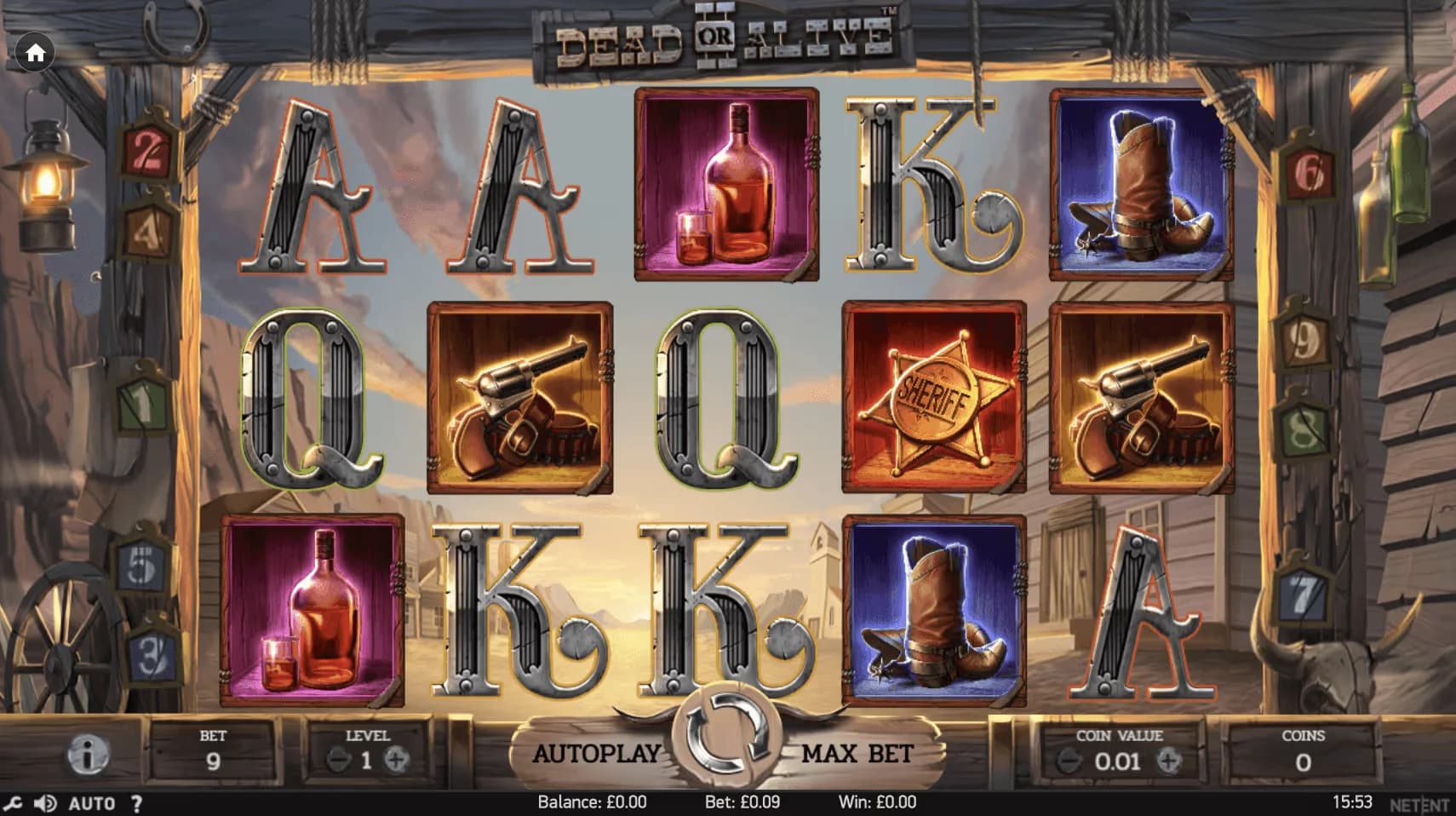
Dead or Alive 2, from NetEnt, offers one of the more affordable prices on the market at 66 times the stake, a relatively low cost given the game's max win exceeding 111,000 times the bet. Once purchased, players choose between three distinct free spins configurations, each with a different balance of spin count and multiplier style. The feature was actually added years after the game's original 2015 launch, illustrating how studios sometimes retrofit Bonus Buy onto titles that originally shipped without it.
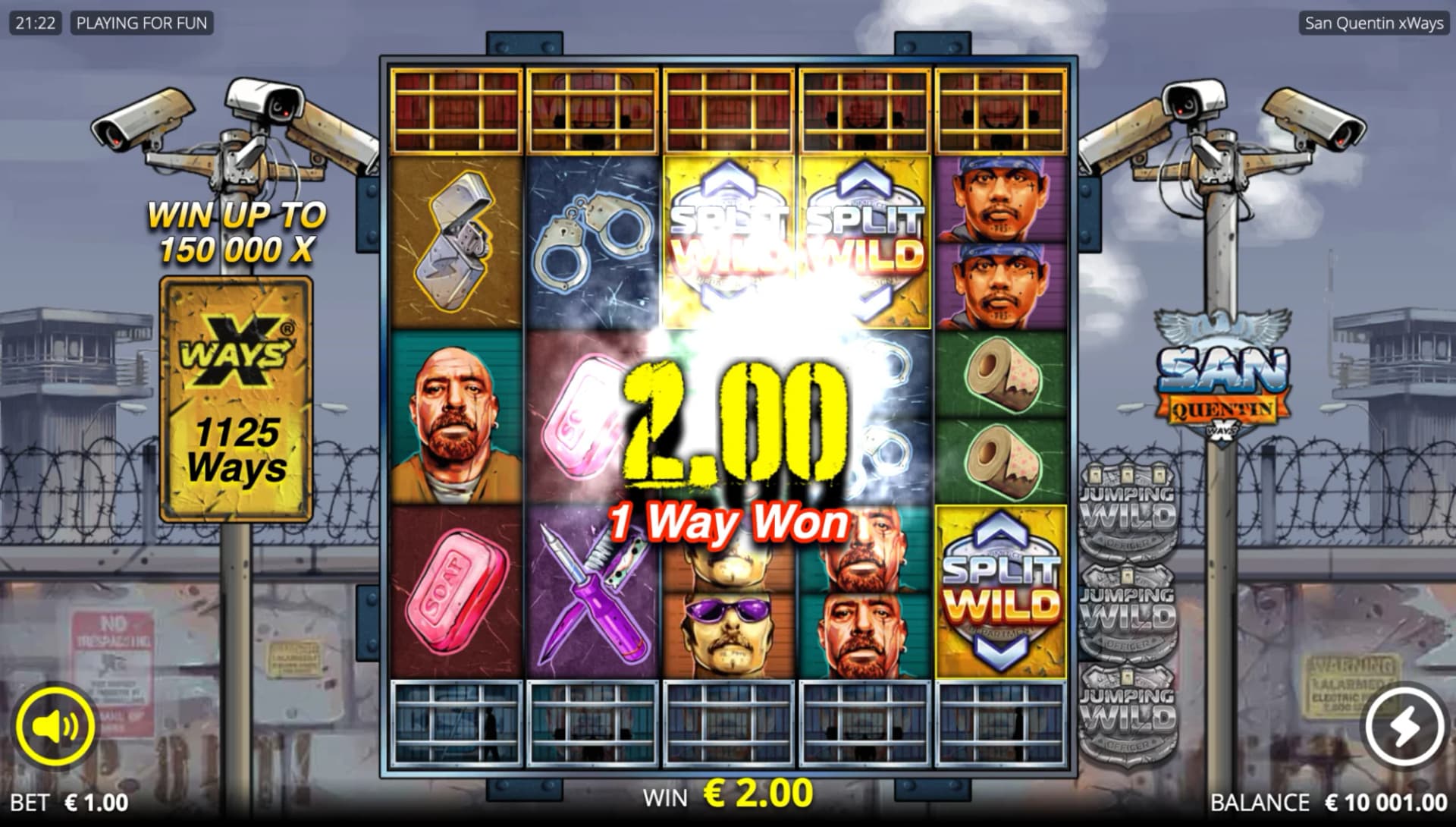
San Quentin xWays, from Nolimit City, sits at the opposite end of the pricing scale, with its most expensive configuration costing as much as 2,000 times the stake. That steep top tier sits alongside two cheaper options, giving players a genuine choice over exactly how much risk they want to commit before entering the bonus round. The game's studio is broadly known for pushing volatility and pricing to some of the most extreme levels found anywhere in the industry.
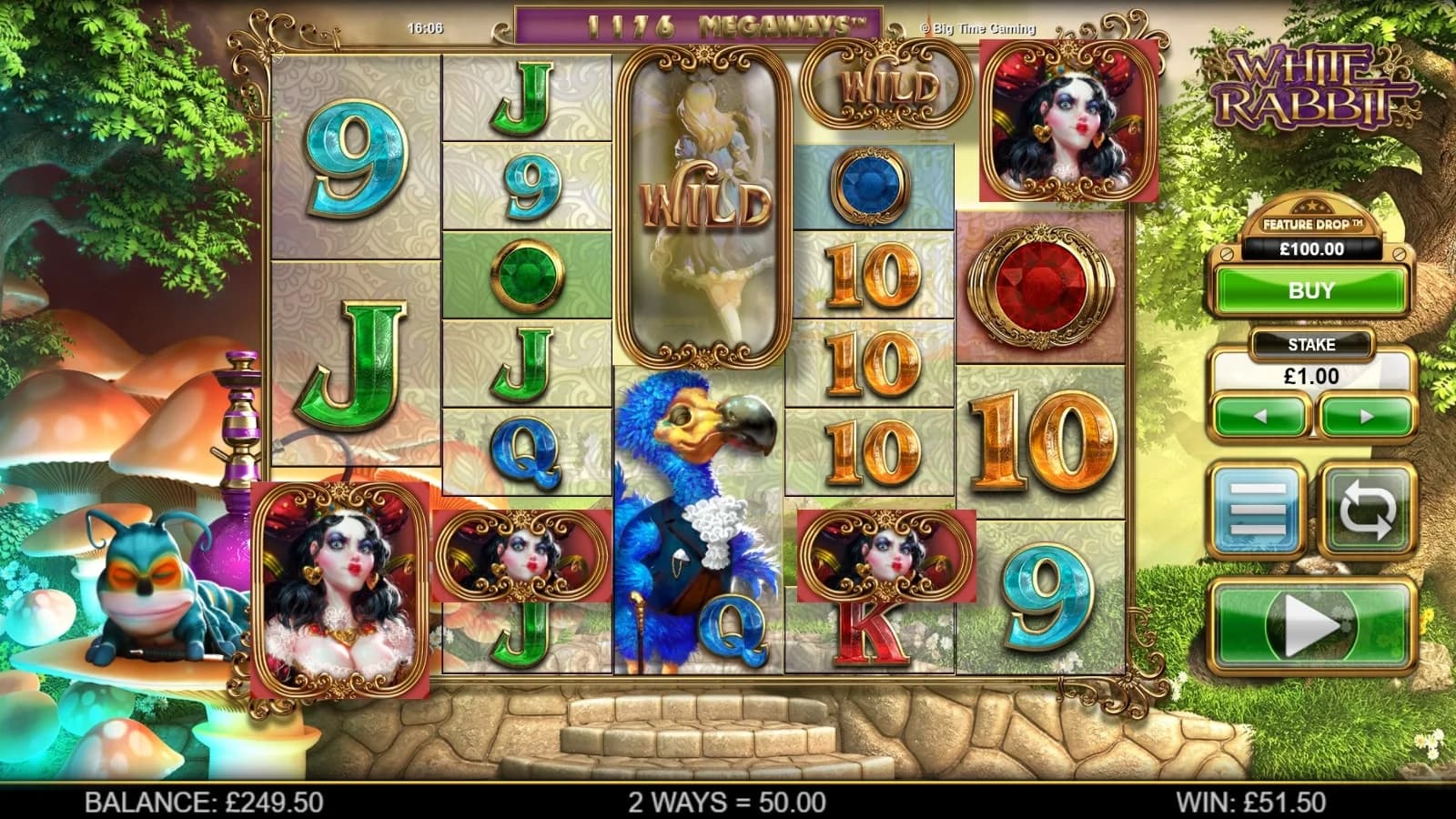
White Rabbit, from Big Time Gaming, holds a unique place in this category as the title widely credited with introducing the modern Bonus Buy concept back in 2017. Its trademarked Feature Drop system lets players collect symbols during ordinary play that gradually reduce the purchase price, and if that price reaches zero through natural collection, the bonus triggers automatically at no extra cost. That token-reduction mechanic remains genuinely uncommon even years later, and most competing titles still use a simple fixed price instead.
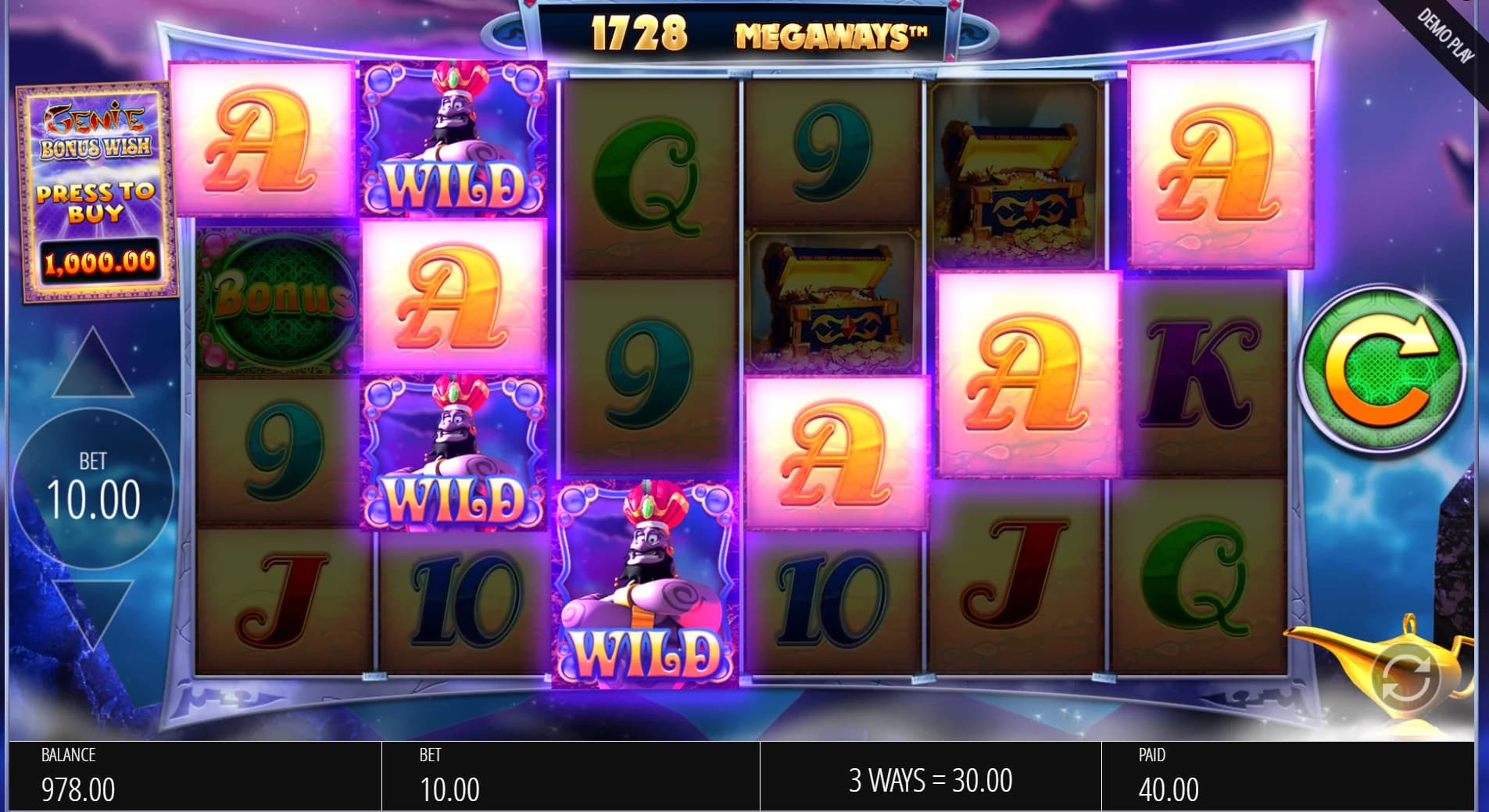
Genie Jackpots Megaways, from Blueprint Gaming, is worth knowing specifically as a reminder that not every purchase works identically. Unlike a straightforward guaranteed-entry format, this title's feature buy still involves an element of chance rather than a locked-in outcome the moment payment is made. It's a genuinely useful example of why reading a specific game's rules before purchasing matters more than assuming every Bonus Buy button behaves the same way.
How to Approach Bonus Buy Responsibly
Approaching Bonus Buy responsibly means checking the exact price and what it actually guarantees before paying, comparing that price against the game's published RTP and max win, and treating each purchase as a final, isolated decision rather than something to chase after a disappointing result.
A few practical habits worth building before any real-money use of this feature:
- Read exactly what the price guarantees. As covered above, not every Bonus Buy purchase guarantees the same type of outcome – confirm this in the specific game's rules first.
- Check whether RTP changes with the purchase. Some titles publish a different RTP for bought versus naturally triggered rounds; this information is always available in the paytable.
- Set a firm, separate budget specifically for this feature. Because Bonus Buy can consume money quickly, treating it as its own defined spending category helps keep overall session cost in view.
- Use free demo versions first. Testing a title's bonus round in demo mode, without spending real money, is the most reliable way to understand what a purchase actually buys before committing.
- Never treat a purchase as recoverable through a repeat attempt. Each Bonus Buy is an independent, RNG-generated event – a disappointing result doesn't make the next purchase more likely to pay off.
None of this changes the underlying math – every Bonus Buy purchase remains subject to the same certified randomness as any other part of a licensed slot, and no amount of planning guarantees a specific return.
Final Word on Bonus Buy
Bonus Buy is neither the shortcut to guaranteed riches its marketing sometimes implies, nor an inherently reckless mechanic that deserves blanket condemnation – it's a genuinely different way of pacing risk within a slot session, with real trade-offs on both sides. Understanding exactly what a specific price guarantees, checking whether RTP shifts with the purchase, and treating the feature as a firm, budgeted decision rather than an impulsive one is the entire practical takeaway this guide can offer. Where you land on the wider debate – genuine player transparency versus genuine accelerated risk – is a judgment call this guide won't make for you, but it's one worth making with the actual facts in hand rather than marketing language alone.
One last note: this guide exists to explain how Bonus Buy works, not to encourage using it. The feature carries the same permanent house edge as any other part of a licensed slot, and its availability varies by jurisdiction – it is banned entirely in the Netherlands and restricted in certain contexts elsewhere. If gambling ever stops feeling like entertainment, free and confidential support is available through organizations such as GamCare and BeGambleAware, entirely independent of any casino operator.
FAQ: Bonus Buy in Slots
Bonus Buy is a feature that lets a player pay a fixed multiple of their stake to enter a slot's bonus round directly, instead of waiting for it to trigger naturally through regular spins.
No. It guarantees entry into the bonus round itself, not a specific payout – every outcome inside the feature remains an independently generated, random result.
White Rabbit, released by Big Time Gaming in 2017, is widely credited as the first title to introduce the modern Bonus Buy concept, through its trademarked Feature Drop mechanic.
No. The Netherlands has banned the feature outright, and some other jurisdictions, including parts of the UK, restrict its use in specific contexts without banning it entirely.
Sometimes. Certain titles publish a different, often higher, RTP specifically for purchased bonus rounds compared to natural play – this varies by game and should be checked in the paytable.
Prices commonly range from around 60 times the stake up to several hundred times it, with a small number of titles pricing certain configurations even higher.
Yes. Most titles offering the feature have a free demo version available, letting players see exactly how the purchased bonus round plays out without risking real money.