Canada's gambling regulation system defies conventional industry wisdom. Unlike jurisdictions with centralized authorities, the Canadian market operates through a complex web of provincial regulators working within federal legal boundaries. This creates unique challenges for operators seeking market entry and compliance teams navigating multiple jurisdictions simultaneously.
The Federal Foundation: Criminal Code Framework
The Criminal Code of Canada serves as the cornerstone of Canada's gambling regulation, establishing the legal parameters within which all provincial activity must operate. This federal legislation doesn't create a licensing system but instead delegates operational control to provinces and territories.
The Code's most critical provision establishes that gambling is only legal when it is "conducted and managed" by a province or territory. This principle fundamentally shapes how the entire Canadian market functions, creating a system where provinces aren't merely regulators but the legal operators of gambling activity within their jurisdictions.
Important
The Criminal Code of Canada grants provinces exclusive authority to conduct and manage gambling activities, meaning even private operators must work within provincial frameworks rather than operating independently.
Federal Responsibilities vs Provincial Control
The division of responsibilities creates distinct regulatory layers:
| Level | Primary Functions | Authority Scope |
|---|---|---|
| Federal | Legal framework, AML/CTF oversight, criminal liability | Nationwide application |
| Provincial | Licensing, operations, compliance supervision | Jurisdiction-specific |
This structure explains why there is no single central authority for gambling regulation in Canada. Instead, responsibilities are distributed across different levels of government, with each managing specific aspects of the regulatory environment.
Financial Oversight: FINTRAC's Role
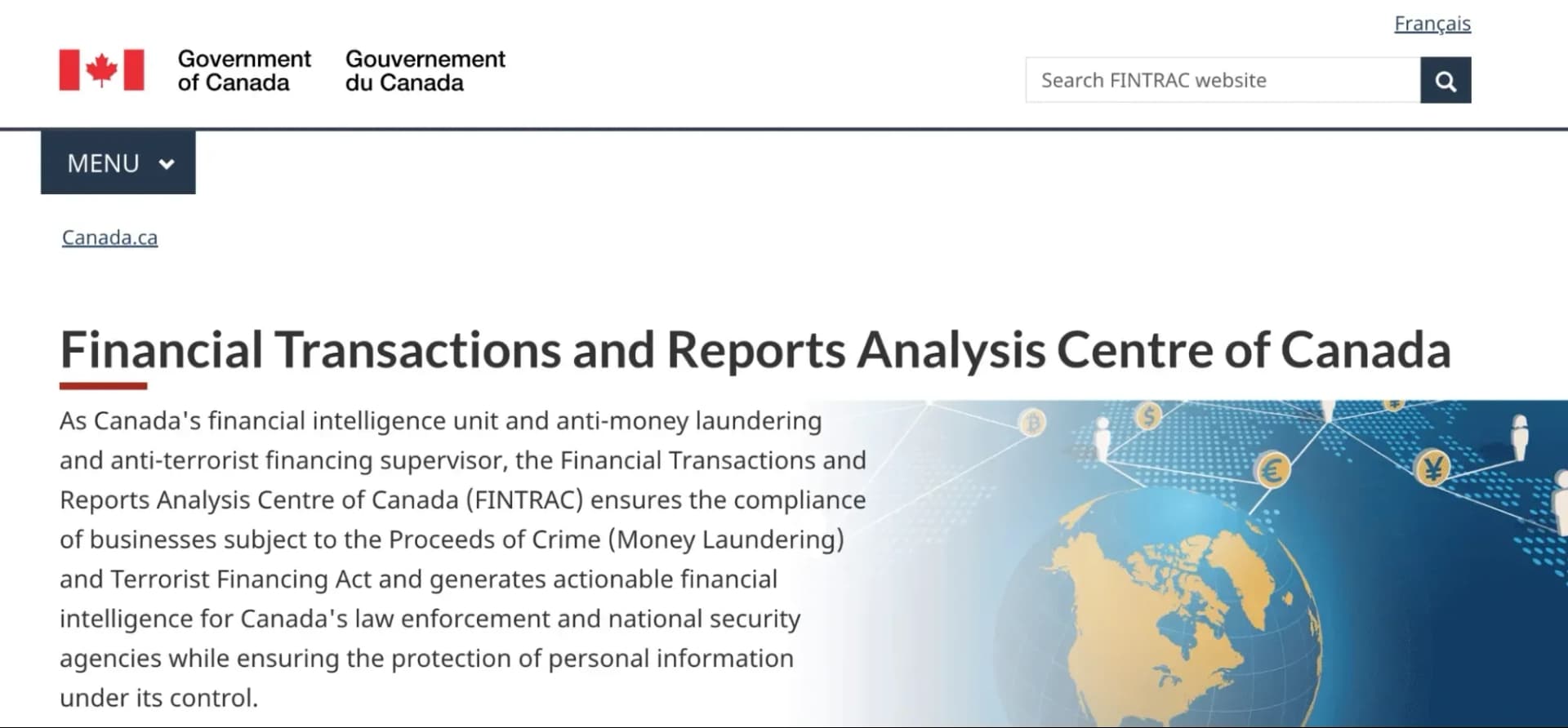
Beyond the legal framework, Canada maintains rigorous financial oversight through the Financial Transactions and Reports Analysis Centre of Canada (FINTRAC). This federal agency operates independently of provincial licensing but applies comprehensive anti-money laundering requirements across the entire market.
100%
Gambling operators classified as reporting entities
24/7
Continuous transaction monitoring requirement
FINTRAC obligations include:
- Know Your Customer (KYC) verification procedures
- Ongoing transaction and player activity monitoring
- Reporting suspicious transactions and large cash movements
- Maintaining internal AML/CTF compliance programs
- Ensuring auditability and comprehensive record-keeping
This creates dual regulatory exposure for operators: provincial compliance for licensing and operations, plus federal financial compliance under FINTRAC oversight.
"The Canadian market requires operators to build internal systems capable of handling continuous financial monitoring and reporting, extending beyond simple market access to ongoing operational accountability."
— Olga Svichkar, We-Right Factory
Provincial Authority Landscape
Gambling regulation in Canada is built on a federal legal framework combined with provincial and territorial regulators, each controlling different aspects of their local markets. This decentralized approach means the same gambling product can operate under vastly different conditions depending on the province.
Key Provincial Regulators
The main provincial authorities demonstrate how differently jurisdictions approach market control:
Ontario Model
AGCO handles licensing and compliance while iGaming Ontario conducts and manages the market
Alberta Approach
AGLC centralizes both regulatory oversight and operational control
British Columbia System
GPEB supervises regulation while BCLC operates gambling activities
Each system reflects different provincial priorities regarding market openness, private operator participation, and regulatory oversight intensity.
Ontario: The Open Market Experiment
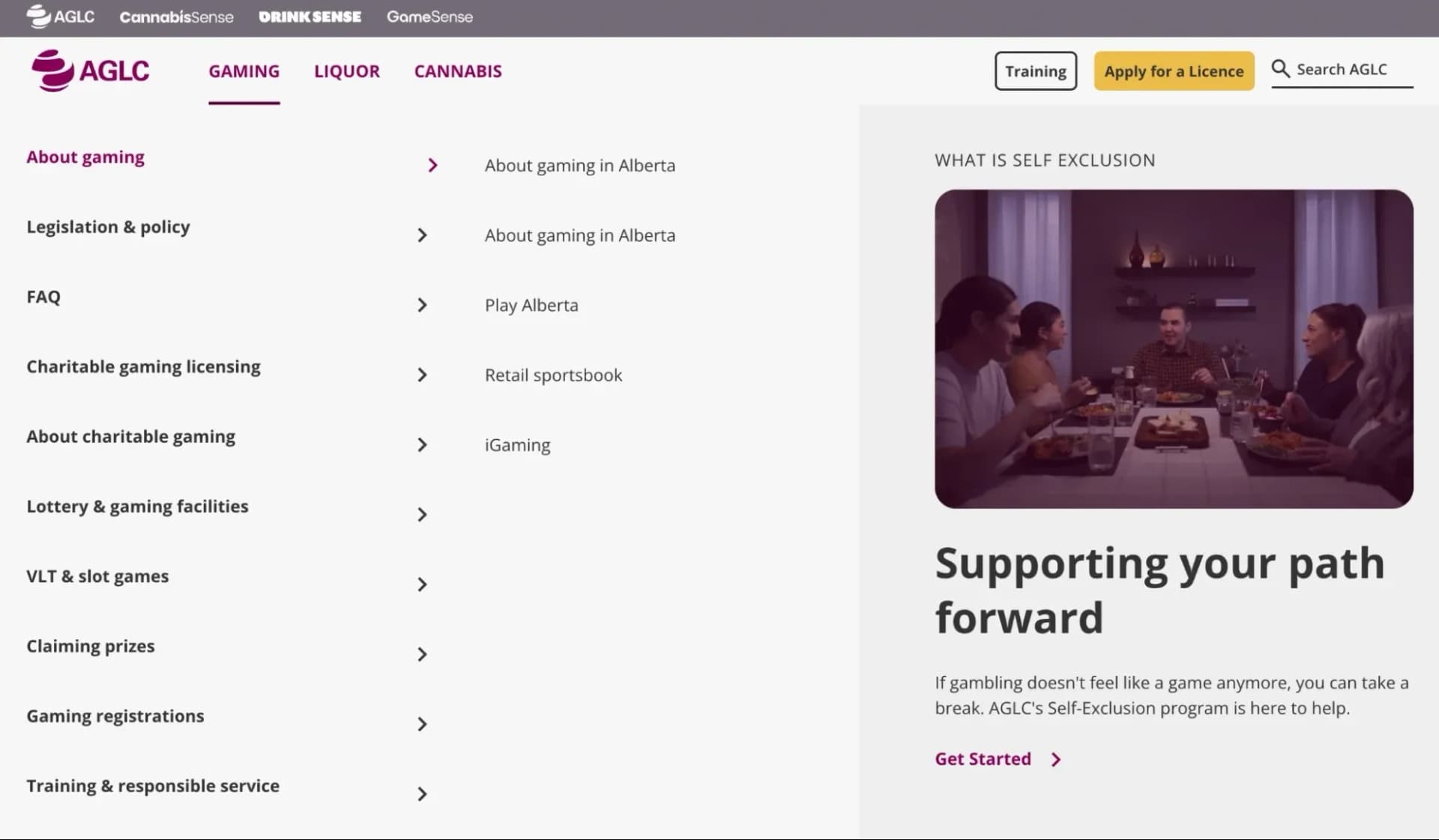
Ontario currently operates Canada's most commercially dynamic gambling environment through a hybrid regulatory structure involving both the Alcohol and Gaming Commission of Ontario (AGCO) and iGaming Ontario.
Dual Authority Structure
The Ontario model creates clear separation between regulatory and operational functions:
- AGCO serves as the regulator and compliance authority
- iGaming Ontario (iGO) acts as the conduct and manage entity under provincial mandate
- Private operators enter through structured agreements with both entities
This system allows commercial participation while maintaining provincial control over market operations.
Ontario's framework demonstrates how provinces can balance commercial openness with regulatory oversight through carefully structured authority separation.
Market Entry Requirements
Before launching in Ontario, operators must navigate a comprehensive onboarding process:
- Registration with AGCO for regulatory approval
- Technical certification meeting provincial standards
- Operating agreements with iGaming Ontario
- Ongoing compliance monitoring and reporting
The AGCO Registrar's Standards for Internet Gaming establish risk-based requirements covering not only operators but also gaming-related suppliers, platform providers, and third-party service participants.
Operator Planning Insight
Budget for extended timelines in Ontario - the dual AGCO/iGO approval process typically takes 6-12 months from initial application to market launch, with technical certification often being the longest component.
Alberta's Centralized Approach
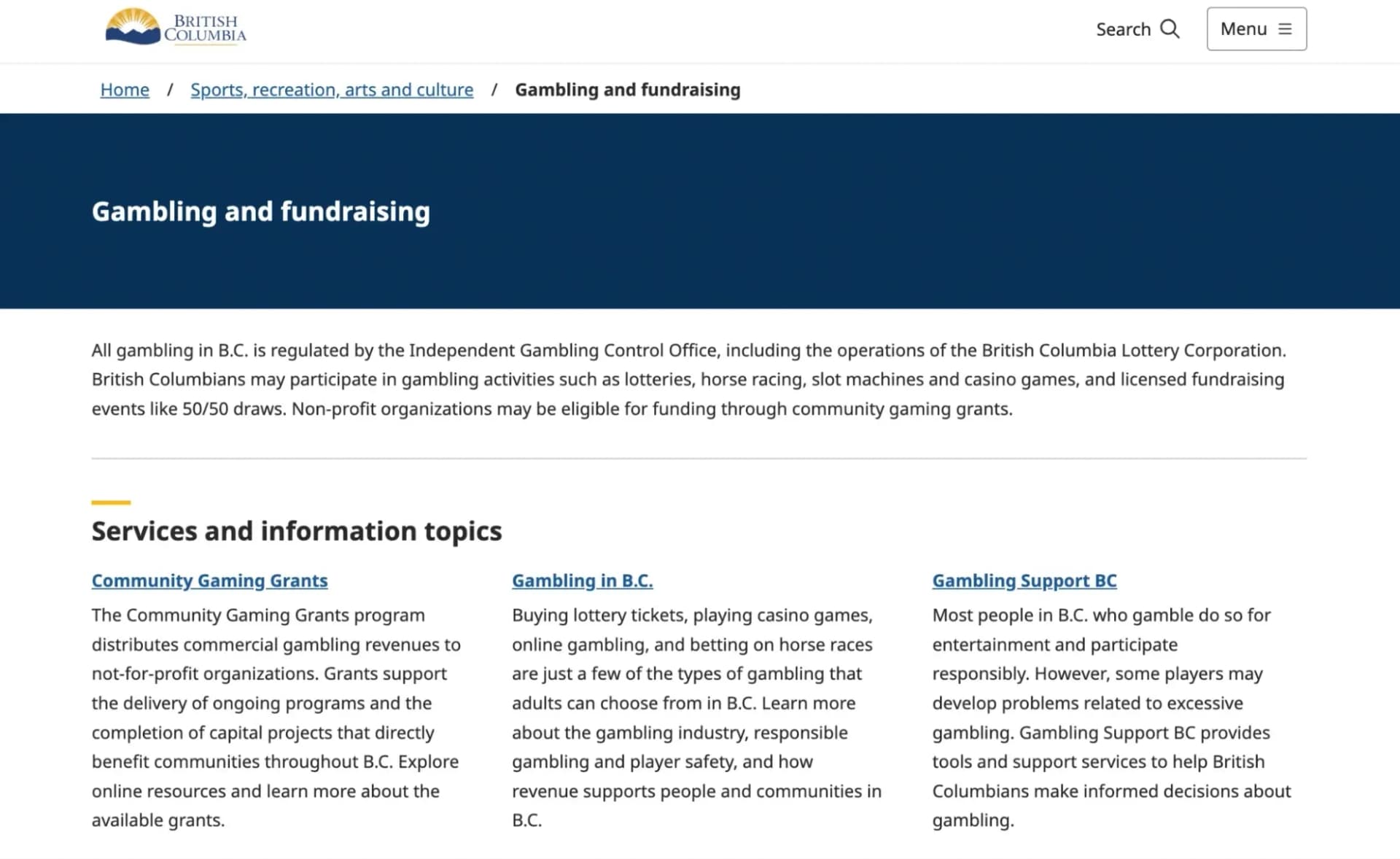
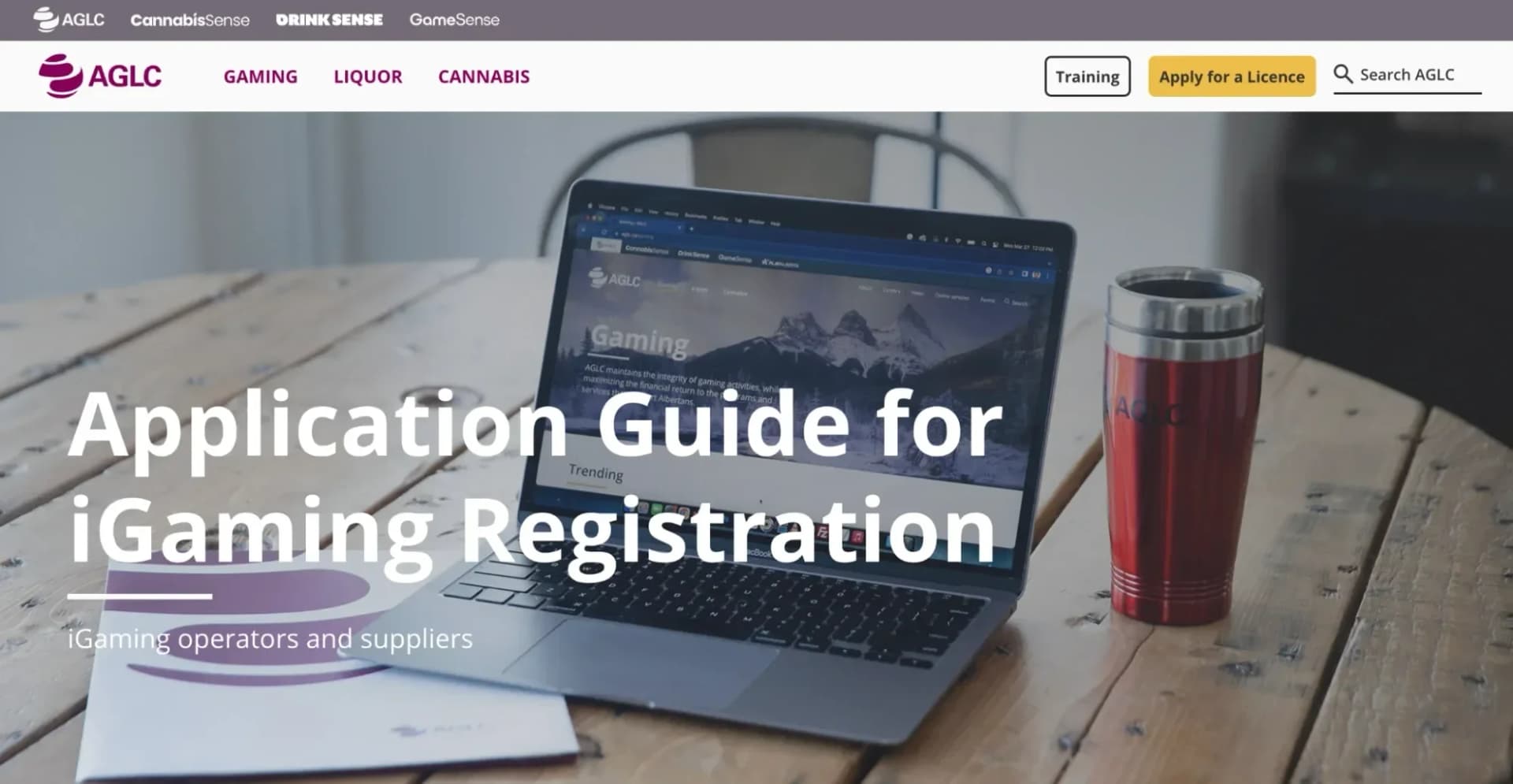
Alberta Gaming, Liquor and Cannabis (AGLC) represents a more unified regulatory model, combining both oversight and operational supervision under a single provincial authority.
Integrated Authority Model
Unlike Ontario's separation of powers, Alberta maintains:
- Unified licensing and compliance under AGLC
- Stronger direct provincial involvement in operations
- More limited private operator participation
- Centralized policy implementation and enforcement
This structure prioritizes operational stability and provincial oversight over rapid commercial expansion.
Note
Alberta's model reflects a more conservative approach where centralized oversight takes precedence over market liberalization, creating a more controlled environment with stronger direct provincial involvement.
British Columbia: Government-Led Operations
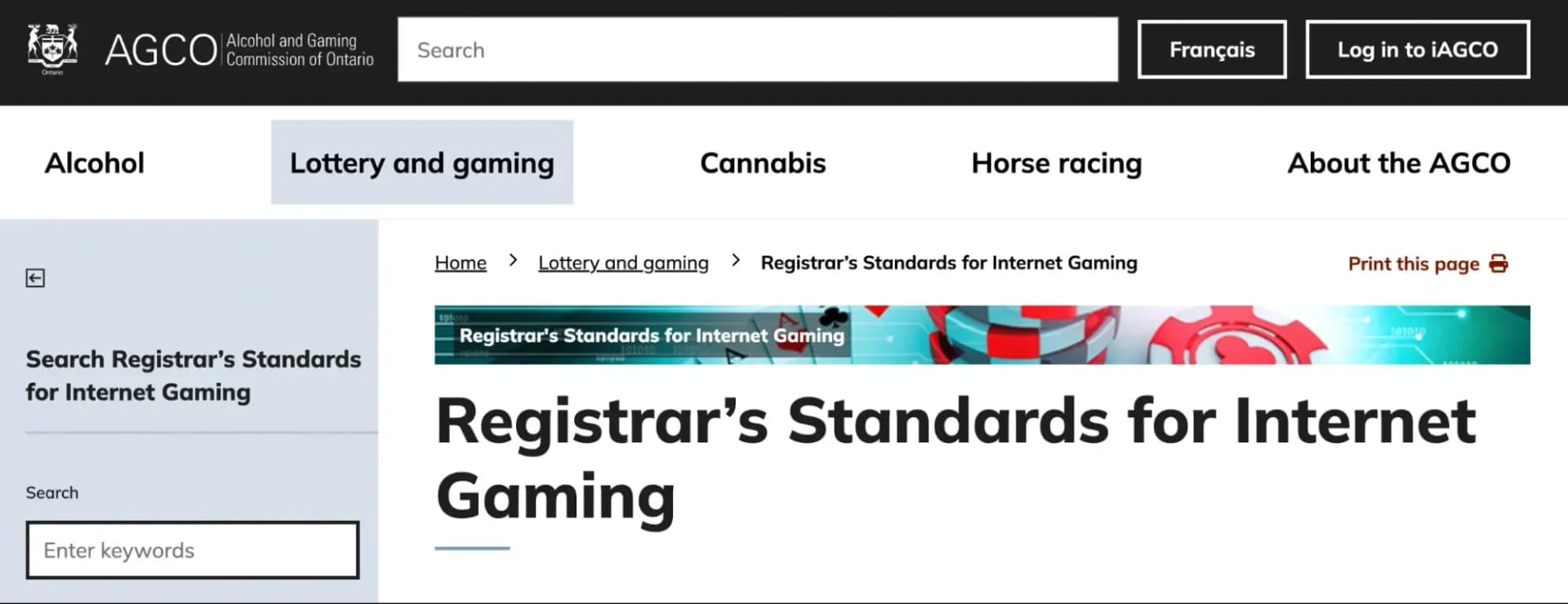
British Columbia employs the most government-centric model among major Canadian provinces, with clear separation between operational and enforcement functions.
Operational Structure
The province divides responsibilities between:
- British Columbia Lottery Corporation (BCLC) operating gambling activities
- Gaming Policy and Enforcement Branch (GPEB) handling compliance and enforcement
- Minimal private operator participation
- Strong emphasis on responsible gambling and anti-money laundering
This approach treats gambling as a direct government service rather than a commercial market opportunity. Similar to how Ireland's GRAI transforms national gambling oversight, British Columbia maintains strong government control over gambling operations.
Warning
British Columbia's model offers very limited opportunities for private operators, focusing instead on government-controlled operations with intensive regulatory enforcement.
Market Access Reality
British Columbia's BCLC-dominated system offers extremely limited private operator opportunities. International operators should expect government partnership requirements rather than independent market access.
Licensing Reality: No National Coverage
One of the most significant challenges facing operators is that cross-province licensing is not available. Each jurisdiction requires separate compliance with local requirements, creating a complex multi-jurisdictional environment.
Jurisdiction-Specific Requirements
The licensing landscape varies dramatically across provinces:
| Province | Market Model | Private Operators | Entry Process |
|---|---|---|---|
| Ontario | Regulated private market | Allowed | AGCO registration + iGO agreements |
| Alberta | Centralized provincial | Limited | AGLC oversight and approval |
| British Columbia | Government-operated | Very limited | BCLC/GPEB framework |
This fragmentation means the same gambling product faces different operational expectations, compliance obligations, and technical certification standards depending on the province.
Important
Operators must structure their Canadian presence on a province-by-province basis, with separate licensing, compliance systems, and operational procedures for each jurisdiction they wish to enter.
| Province | Market Model | Private Operators | Entry Process |
|---|---|---|---|
| Ontario | Regulated private market | Allowed | AGCO registration + iGO agreements |
| Alberta | Centralized provincial | Limited | AGLC oversight and approval |
| British Columbia | Government-operated | Very limited | BCLC/GPEB framework |
Cross-Border Limitations
An Ontario gambling license provides zero regulatory recognition in Alberta or BC. Operators must treat each province as a separate country for compliance purposes, including separate banking, customer databases, and reporting systems.
Responsible Gambling: Provincial Variations
Canada's approach to player protection demonstrates the challenges of the decentralized system. There is no single national self-exclusion system - instead, each province implements its own responsible gambling framework.
Provincial Responsibility
Key characteristics of the fragmented approach include:
- Province-specific responsible gambling systems
- Varying operator obligations across jurisdictions
- Different self-exclusion mechanisms
- Inconsistent player protection standards
Pros
- Allows provinces to tailor systems to local needs
- Enables regulatory experimentation and innovation
- Maintains provincial control over social policy
Cons
- Creates compliance complexity for multi-provincial operators
- Prevents seamless player protection across provinces
- Complicates problem gambling intervention efforts
This structure affects not only operators but also compliance documentation, with responsible gambling tools and player protection mechanisms varying significantly between provinces.
Strategic Market Entry Considerations
The decentralized Canadian system creates unique strategic considerations for operators seeking market access. Rather than a single national approach, successful entry requires jurisdiction-specific planning and execution.
Multi-Jurisdictional Compliance Framework
Operators must develop capabilities across multiple areas:
Regulatory Mapping
Identify target provinces and their specific requirements
Compliance Architecture
Build systems capable of handling varying provincial standards
Local Partnerships
Establish relationships with provincial authorities and service providers
Ongoing Monitoring
Maintain separate compliance programs for each active jurisdiction
The complexity extends beyond initial licensing to ongoing operations, where operators must maintain audit-ready reporting structures, responsible gambling controls, and continuous regulatory cooperation across multiple jurisdictions.
Content and Marketing Challenges
The provincial structure creates significant challenges for iGaming content teams and marketing strategies. Canada cannot be treated as a single regulatory environment for content creation, SEO positioning, or promotional activities.
Content Localization Requirements
Accurate market representation requires:
- Province-specific regulatory references
- Jurisdiction-tailored licensing explanations
- Local compliance information for responsible gambling
- Regional regulatory context for player protection
Generic "Canadian gambling" content fails to address the regulatory reality facing both operators and players, potentially creating compliance risks and market positioning problems. Unlike centralized systems such as Denmark's gambling watchdog control system, Canada's fragmented approach requires highly localized content strategies.
Tip
iGaming content must always reflect the specific provincial framework being discussed rather than presenting Canada as a unified national gambling system.
The Canadian market's provincial fragmentation means successful operators must build compliance architecture from day one rather than scaling a single system across jurisdictions.
Industry Impact Assessment
Canada's unique regulatory structure creates both opportunities and challenges that extend far beyond simple market access considerations.
Operational Complexity
The provincial system generates significant operational overhead:
- Multiple licensing processes and ongoing compliance obligations
- Fragmented player bases across jurisdictional boundaries
- Varying technical standards requiring separate certification processes
- Complex payment processing accommodating different provincial requirements
Market Opportunity Fragmentation
While the total Canadian market represents substantial opportunity, the provincial structure means operators cannot easily leverage economies of scale across the country. Each province effectively represents a separate market entry decision with distinct risk-reward calculations.
Regulatory Evolution Trajectory
The system's decentralized nature allows for regulatory experimentation, with provinces potentially serving as testing grounds for different approaches to online gambling regulation. Ontario's open market model, Alberta's centralized oversight, and British Columbia's government-led operations provide different templates for regulatory development.
However, this fragmentation also creates challenges for industry development, player protection coordination, and cross-border enforcement efforts. As the market matures, pressure may develop for greater harmonization of standards while maintaining provincial authority over operations. The contrast with monopoly systems like Austria's central European precedent highlights the unique complexity of Canada's approach.
Ontario allows private operators to participate in the market through structured agreements with iGaming Ontario, while maintaining provincial control through the AGCO's regulatory oversight. Other provinces typically maintain more centralized, government-controlled operations.
According to We-Right Blog.
Legal Disclaimer
This content reflects a general overview of regulatory frameworks based on publicly available information. It does not constitute legal advice or a legal opinion. iGamingWriter.blog disclaims any liability arising from reliance on this material.