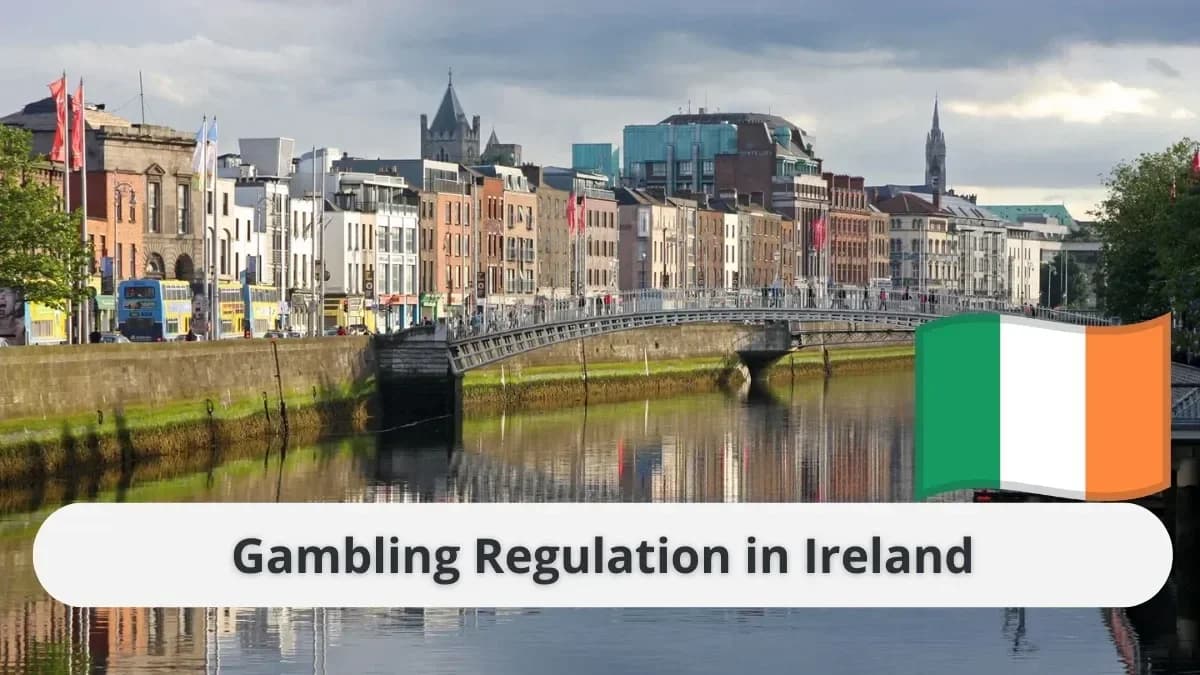
Ireland's gambling sector is undergoing its most significant regulatory transformation in decades as the Gambling Regulatory Authority of Ireland (GRAI) assumes control over a previously fragmented licensing landscape. Established under the Gambling Regulation Act 2024, the new authority represents a fundamental shift from multi-agency oversight to centralised regulation across gambling, betting, gaming, and certain lottery activities.
The transition marks Ireland's alignment with European regulatory trends favouring unified supervision, enhanced consumer protection, and strengthened control over digital gambling markets. Unlike many jurisdictions that introduced gambling regulation reactively, Ireland has designed its framework from the ground up to address both traditional and emerging risks in the modern gambling ecosystem.
Institutional Framework and Leadership Structure
The GRAI operates as an independent statutory public body, governed by an Authority comprising a Chairperson and appointed members with expertise spanning regulation, law, finance, public administration, and public health. Paul Quinn serves as Chairperson, leading an institution designed to exercise powers independently of commercial interests.
This governance model reflects Ireland's approach to gambling as both an economic activity and a matter of public interest requiring social protection measures. The Authority's independence extends to licensing decisions, enforcement actions, and regulatory policy development, while it maintains accountability through statutory reporting obligations.
The institutional structure separates strategic oversight from day-to-day operations, with the Authority board responsible for regulatory direction while executive functions handle licence processing, compliance monitoring, and enforcement activities. This separation ensures consistent decision-making while maintaining operational efficiency in regulatory administration.
Key elements of the governance framework include collective decision-making on licensing policy, operational independence in supervisory powers, and accountability through public-law obligations. The structure positions the GRAI to apply regulatory standards consistently across all licensed activities without commercial influence.
GRAI Governance Model
The Authority operates with complete independence from commercial interests, with Paul Quinn serving as Chairperson. The governance structure separates strategic oversight from operational functions, ensuring consistent regulatory decisions while maintaining accountability through statutory reporting obligations.
Transitional Regulatory Architecture
Licensing under Ireland’s gambling regulatory framework
Ireland's move to unified regulation is being implemented through a structured transition phase rather than immediate wholesale change. While the GRAI has been formally established, licensing and supervisory functions are being phased in to ensure regulatory continuity and prevent market disruption.
During this transition period, existing licensing authorities continue operating. The Revenue Commissioners, An Garda Síochána, District Courts, and Department of Finance still issue betting, gaming, and lottery licences depending on activity type. This dual regulatory structure maintains market stability while the new framework becomes fully operational.
The Gambling Regulation Act 2024 is guided by three core principles: ensuring that gambling takes place in a fair and safe manner; addressing and preventing problem gambling and gambling-related harm; and preventing gambling from being a source of crime or criminal activity. These principles form the foundation for all regulatory decisions and enforcement actions.
Once relevant provisions are fully commenced, the GRAI will become the primary licensing and supervisory authority for gambling activities within Ireland. The gradual transfer of powers allows operators to adapt to new requirements while ensuring no regulatory gaps emerge during the transition.
Warning
During the transition period, both existing licensing authorities and GRAI operate simultaneously. Operators must navigate this dual structure carefully to ensure compliance with both current and emerging regulatory requirements until the transition is complete.
Regulatory Scope and Jurisdictional Boundaries
The GRAI's regulatory scope encompasses a comprehensive range of activities designed to capture all major gambling formats operating in Ireland. This includes betting activities, casino gambling, gaming machines, certain lottery activities including bingo, gambling software and related service providers, and remote gambling including online and telephone-based gambling.
This broad scope ensures consistent standards across both online and offline gambling, addressing regulatory gaps that existed under the previous fragmented system. By defining jurisdiction at a national level, Ireland aims to eliminate regulatory arbitrage opportunities while providing clear guidance to operators and service providers.
However, not all gambling-related activities fall under GRAI authority. The National Lottery remains regulated separately, and lottery fundraising conducted by political parties is explicitly excluded from the Authority's remit. These exclusions are defined directly in legislation, forming part of the statutory boundaries of gambling regulation in Ireland.
The regulatory framework prioritises clarity, ensuring operators, institutions, and the public can distinguish between regulated, exempt, and separately supervised gambling activities. This definitional precision reduces compliance uncertainty while maintaining comprehensive coverage of commercial gambling operations.
Three-Tier Licensing Architecture
Ireland applies a sophisticated three-tier licensing model reflecting different roles within the gambling ecosystem. Each licence category carries distinct obligations and supervisory requirements, while all licensed entities remain subject to ongoing regulatory oversight throughout their licence duration.
Business-to-Consumer Gambling Licences
B2C licences apply to operators providing gambling activities directly to customers in Ireland, whether through physical premises or remote channels. These licences serve as the primary access point to the regulated gambling market, with separate authorisations required for in-person and remote operations during the transition phase.
The initial B2C licence categories include:
- In-Person Betting Licence: Betting activities conducted from premises in Ireland, including pool betting
- Remote Betting Licence: Betting activities provided online and by telephone
- Remote Betting Intermediary Licence: Facilitation of betting between persons via remote platforms
- In-Person Gaming Licence: Provision of relevant games at physical premises
- Remote Gaming Licence: Provision of relevant games by remote means
- In-Person Lottery Licence: Operation of relevant lotteries at physical locations
- Remote Lottery Licence: Operation of relevant lotteries through remote channels
Combined in-person and remote licences are not yet available due to the transition from existing regulatory regimes. Such combined licence types may be introduced once the new framework is fully established, reflecting operator feedback and market development needs.
Business-to-Business Licensing Framework
B2B licences apply to entities supplying gambling products or services to licensed operators rather than interacting directly with consumers. This category reflects Ireland's intent to regulate the full gambling supply chain, not only front-facing operators.
B2B licensing may apply to providers of gambling software and platforms, hosting and infrastructure services, odds provision services, fraud detection and risk management systems, customer safeguarding and protection tools, installation and maintenance of gambling software, and other prescribed services deemed essential to gambling operations.
B2B licensees must demonstrate compliance with GRAI-approved standards, ensuring technical integrity, data protection, and consumer safeguards are embedded across all operational layers. By extending regulation to B2B providers, Ireland reduces systemic risk and limits indirect regulatory avoidance, particularly in remote gambling environments.
Charitable and Philanthropic Gambling Licences
Charitable and philanthropic licences accommodate gambling activities conducted for charitable purposes, subject to specific statutory conditions. These licences maintain regulatory safeguards while recognising the legitimate role of non-commercial gambling in fundraising activities.
Certain small-scale lotteries remain exempt from licensing requirements provided they meet strict statutory thresholds relating to maximum prize values, ticket pricing limits, total number of tickets issued, frequency of operation, and absence of personal profit. Where activities exceed these thresholds, a charitable or philanthropic licence is required.
Applications for this licence category are not expected to open in 2026, with charitable organisations continuing under existing permit systems until further notice. This extended transition recognises the particular needs of non-commercial operators while maintaining regulatory oversight.
Charitable Licensing Timeline
Applications for charitable and philanthropic licences are not expected to open in 2026. Charitable organisations will continue under existing permit systems until further notice, with extended transition periods recognising the particular needs of non-commercial operators.
Combined Licence Availability
Combined in-person and remote licences are not currently available due to the ongoing transition from existing regulatory regimes. Such combined licence types may be introduced once the new framework is fully established based on operator feedback and market needs.
Social Protection and Harm Prevention Measures
Social protection forms a central pillar of gambling regulation in Ireland, embedded directly into the GRAI's statutory mandate. The regulatory framework emphasises protecting children and vulnerable individuals from gambling-related harm through preventive measures rather than reactive responses.
The GRAI is responsible for establishing and operating a National Gambling Exclusion Register, regulating advertising and marketing practices, banning gambling with credit cards, controlling exposure to gambling content online and on social media, and improving standards of interaction between operators and customers.
These measures are designed to prevent gambling-related harm before it escalates, treating preventive safeguards as integral to regulatory supervision rather than optional policy tools. The approach combines enforcement with prevention, ensuring consumer protection operates alongside licensing and market oversight.
The Authority is also tasked with raising public awareness of gambling harms through the establishment of a Social Impact Fund supporting research, education, and prevention initiatives related to gambling addiction and associated social risks. This fund represents Ireland's commitment to evidence-based harm prevention and community protection.
Preventive Approach
Ireland's framework emphasises preventing gambling-related harm before it escalates, treating preventive safeguards as integral to regulatory supervision. The Social Impact Fund will support research, education, and prevention initiatives related to gambling addiction and social risks.
Enforcement Powers and Compliance Framework
Enforcement under Irish gambling law operates as a graduated, proportionate system allowing the GRAI to respond to regulatory breaches at varying levels of severity. These powers are established under the Gambling Regulation Act 2024 and apply to all licensed gambling activities within Ireland.
The enforcement framework emphasises corrective measures over purely punitive action, aiming to restore compliance while retaining ability to impose sanctions where necessary. This approach balances regulatory oversight with market stability, supporting compliant operators while addressing non-compliance effectively.
The GRAI may apply enforcement measures including:
- Warning: Formal notice issued to address identified non-compliance
- Additional licence conditions: Imposition of new conditions to address specific risks or deficiencies
- Amendment of licence conditions: Modification of existing conditions to strengthen compliance
- Suspension of licence: Temporary removal of authorisation to operate
- Revocation of licence: Permanent withdrawal of the gambling licence
- Financial penalties: Monetary sanctions imposed for breaches of statutory obligations
These measures allow the Authority to escalate enforcement proportionately, starting with corrective actions and progressing to more restrictive sanctions where compliance failures persist. Where serious or repeated breaches occur, the Authority may escalate enforcement action, including prosecution where permitted by law.
Compliance oversight extends to monitoring advertising practices, inducements, and customer interaction standards, ensuring licensed operators meet statutory obligations under the Gambling Regulation Act 2024. Ireland's enforcement model prioritises accountability while maintaining flexibility to support lawful operators in meeting regulatory requirements.
Pros
- Graduated enforcement system allows proportionate responses
- Corrective measures prioritised over purely punitive actions
- Flexible escalation from warnings to licence revocation
- Supports compliant operators while addressing violations
Cons
- Complex multi-tier enforcement may create uncertainty
- Financial penalties could impact smaller operators disproportionately
- Licence suspension can cause immediate market disruption
- Enforcement discretion may lead to inconsistent application
Digital Gambling and Cross-Border Oversight
The GRAI's framework specifically addresses digital gambling challenges, recognising that online operators can serve Irish customers from multiple jurisdictions. The regulatory scope includes remote gambling delivered by online and telephone-based means, ensuring comprehensive coverage of digital gambling services.
B2B licensing extends to gambling software providers, hosting services, and technical infrastructure suppliers, creating regulatory oversight across the entire digital gambling supply chain. This approach addresses risks associated with offshore technical services while ensuring consumer protection standards apply regardless of service delivery method.
The Authority maintains powers to control exposure to gambling content on social media and online platforms, reflecting modern marketing realities where gambling promotion extends beyond traditional advertising channels. These powers enable responsive regulation as digital gambling markets continue evolving.
Ireland's comprehensive B2B licensing approach creates regulatory oversight across the entire digital gambling supply chain, addressing risks from offshore technical services while ensuring consumer protection standards apply regardless of service delivery method.
Market Entry and Operational Continuity
Licensed entities remain subject to ongoing supervision, compliance monitoring, and enforcement measures throughout their licence duration. This positions licensing as a continuous regulatory relationship rather than a mere market-entry mechanism, ensuring sustained compliance with evolving regulatory standards.
The GRAI website at grai.ie serves as the central point for regulatory guidance, licensing information, and industry communications. This digital infrastructure supports transparent regulation while providing accessible guidance for operators and service providers navigating the new framework.
Current licensing authorities continue operating during the transition period, ensuring no disruption to licensed operations while new systems are implemented. This managed transition approach maintains market stability while introducing enhanced regulatory standards across all gambling activities.
European Context and Regulatory Alignment
Ireland's gambling regulatory framework aligns with wider European regulatory trends focused on centralised supervision, enhanced consumer protection, and stronger control of online gambling markets. The establishment of a single national authority marks Ireland's shift from fragmented oversight toward unified regulatory systems adopted across European jurisdictions. A distinguishing feature of Ireland's model is the integration of harm prevention, licensing, and enforcement into a single statutory framework, supported by phased transition arrangements ensuring legal certainty and regulatory continuity. This comprehensive approach addresses both traditional gambling risks and emerging challenges from digital and cross-border gambling operations, similar to approaches seen in Austria's centralized gambling frameworks.
The framework positions Ireland among European jurisdictions adopting modern, preventive-focused gambling regulation, particularly in response to digital gambling risks that transcend national boundaries. By establishing comprehensive B2B licensing alongside B2C regulation, Ireland creates oversight mechanisms applicable to complex international gambling supply chains.
Ireland's three-tier licensing model and graduated enforcement powers reflect regulatory best practices developed across European markets, while the emphasis on harm prevention and social protection aligns with broader EU policy directions on gambling regulation and consumer protection.
| Parameter | Details |
|---|---|
| Official name | Gambling Regulatory Authority of Ireland (GRAI) |
| Legal basis | Gambling Regulation Act 2024 |
| Year of establishment | 2024 |
| Jurisdiction | Ireland |
| Regulatory scope | Gambling, betting, gaming, and certain lottery activities |
| Chairperson | Paul Quinn |
| Official website | grai.ie |
| Key registers | National Gambling Exclusion Register |
2024
Year GRAI established
3
Core regulatory principles
7
Initial B2C licence categories
6
Types of enforcement measures
2026
Expected start for charitable licence applications
GRAI is an independent statutory public body established under the Gambling Regulation Act 2024, led by Chairperson Paul Quinn. It represents Ireland's shift from fragmented multi-agency oversight to centralised regulation across gambling, betting, gaming, and certain lottery activities.
GRAI regulates betting activities, casino gambling, gaming machines, certain lottery activities including bingo, gambling software providers, and remote gambling including online and telephone-based services. However, the National Lottery and political party lottery fundraising remain separately regulated or excluded.
The system includes Business-to-Consumer licences for operators serving customers directly, Business-to-Business licences for service providers and software suppliers, and Charitable/Philanthropic licences for non-commercial fundraising activities. Each tier has distinct obligations and supervisory requirements.
GRAI can issue warnings, impose additional licence conditions, suspend or revoke licences, and apply financial penalties. The enforcement framework emphasises graduated, proportionate responses starting with corrective measures and escalating to more restrictive sanctions for persistent non-compliance.
Ireland follows European regulatory trends toward centralised supervision, enhanced consumer protection, and stronger digital gambling controls. The framework integrates harm prevention, licensing, and enforcement into a single statutory system with comprehensive B2B oversight for international gambling supply chains.
According to We-Right Factory.
Legal Disclaimer
This content reflects a general overview of regulatory frameworks based on publicly available information. It does not constitute legal advice or a legal opinion. iGamingWriter.blog disclaims any liability arising from reliance on this material.