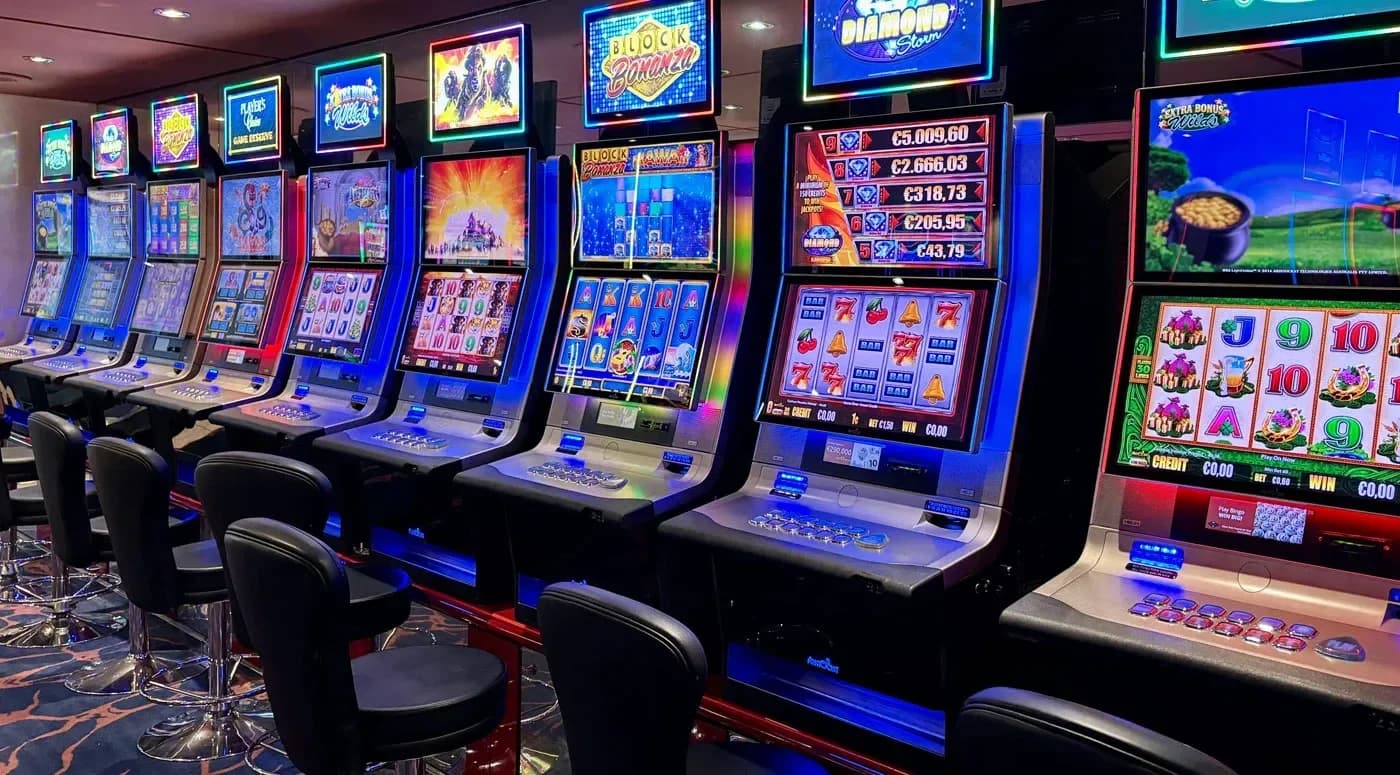
Aragón's gaming sector has demonstrated robust recovery momentum throughout 2025, with the hospitality channel and sports betting emerging as primary growth drivers, according to the latest regional gaming market report from the Directorate General of Interior and Emergencies.
Gaming Machine Sector Shows Sustained Recovery
The autonomous community recorded 6,456 gaming machines (Type B and C) by the end of 2025, comprising 6,449 Type B machines and 7 Type C units. This represents a 1.96% increase compared to the previous year, marking a clear reversal from several years of decline during the pandemic period.
Hospitality establishments have become a cornerstone of this expansion, with 2,936 venues now authorised to operate gaming machines. The sector has particularly benefited from regulatory flexibility allowing venues to install up to three machines, with establishments incorporating a third machine surging by 14.7%.
Gaming halls continue their steady expansion across the region, reaching 121 establishments. These venues have solidified their position as the primary access point for sports betting and electronic bingo services.
6,456
Total Gaming Machines (Type B and C)
2,936
Hospitality Venues Licensed for Gaming Machines
14.7%
Growth in Three-Machine Establishments
121
Gaming Halls Across Region
Sports Betting Reaches Historic Highs
Sports betting terminals achieved record deployment levels, with 847 units operating across Aragón by year-end 2025 – a remarkable 45% increase from 2017 levels. The segment generated €57.8 million in total wagers, producing €11.5 million in operator profits.
Gaming halls dominate sports betting distribution, housing 85% of all terminals, reinforcing their role as the preferred channel for betting activities.
Electronic bingo has reached a stabilisation phase with 638 active terminals, with the majority (412 units) installed in gaming halls rather than traditional bingo venues (226 units).
Sports Betting Market Concentration
The sports betting market shows extreme concentration patterns, with gaming halls controlling 85% of all terminals despite hospitality venues being eligible. This concentration may indicate higher profitability per unit in gaming halls or operational barriers preventing wider hospitality adoption of betting services.
Traditional Gaming Segments Face Headwinds
Aragón's 13 bingo halls maintain operational stability in terms of venue count, though ticket sales continue their multi-year decline trend. The region's sole casino has experienced significant drops in key performance indicators including DROP metrics and commissions, although Type C machine revenue remains stable.
Regulatory and Compliance Framework
The regional gaming ecosystem encompasses 56 manufacturing companies and 157 registered operators and managers. Regulators approved 50 new machine models during 2025, expanding the authorised catalogue to 2,227 approved models under supervision from 12 recognised testing laboratories.
Responsible gaming initiatives show continued engagement, with the self-prohibition registry (REJUP) reaching 5,330 registered individuals, representing a 5.8% year-on-year increase. Data indicates most self-excluded players began gambling between ages 26 and 35.
Warning
The 5.8% annual growth in REJUP registrations, particularly among 26-35 year-olds, suggests operators should prepare for potential regulatory scrutiny. Sustained increases in self-prohibition rates often precede enhanced player protection requirements or operational compliance measures.
Revenue Structure Remains Machine-Dependent
Gaming machines continued as the dominant tax revenue source for regional authorities, accounting for 63.21% of total gaming taxation in 2024. Bingo halls contributed 14.02%, while online gaming taxes represented 12.72% of total collections.
Market Signals for Operators
The data reveals a market transitioning from pandemic recovery to sustainable growth, with clear channel preferences emerging. The hospitality sector's embrace of maximum machine allowances suggests strong unit economics, while sports betting's dramatic expansion indicates robust consumer demand for this vertical.
However, the concentration of betting terminals in gaming halls rather than diversified retail locations may signal regulatory or operational constraints that could limit market penetration. Traditional gaming segments' mixed performance suggests operators should focus investment on growth verticals rather than legacy offerings.
The self-prohibition registry's steady growth warrants monitoring, as it could influence future regulatory approaches to player protection measures and operational requirements.
While the article shows gaming halls house 85% of terminals, it doesn't specify whether this concentration stems from licensing restrictions or economic factors. Operators should verify venue eligibility requirements and assess unit economics before choosing deployment locations.
The steady increase in REJUP registrations, particularly among prime demographic groups aged 26-35, could signal heightened regulatory focus on player protection measures. Operators should monitor this trend as it may influence future compliance requirements or operational restrictions.
The article doesn't specify performance benchmarks, but operators should evaluate floor space utilization, player throughput capacity, and revenue per square meter before adding machines. The source does not disclose specific ROI thresholds that successful three-machine venues achieve.
According to AzarPlus.