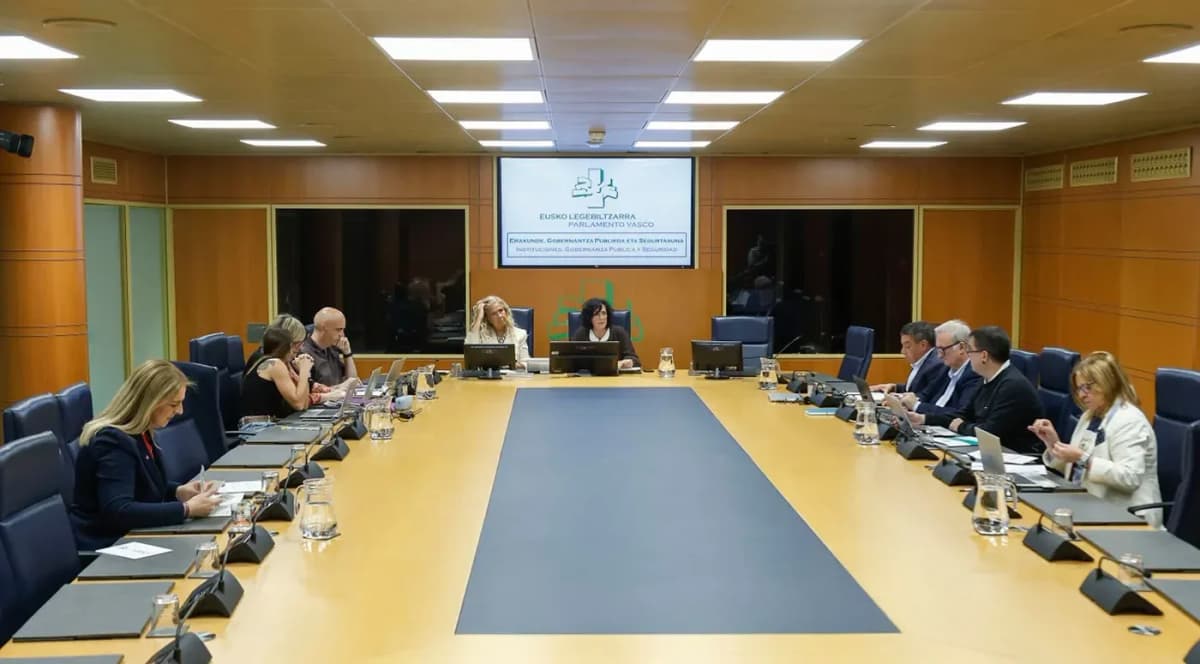
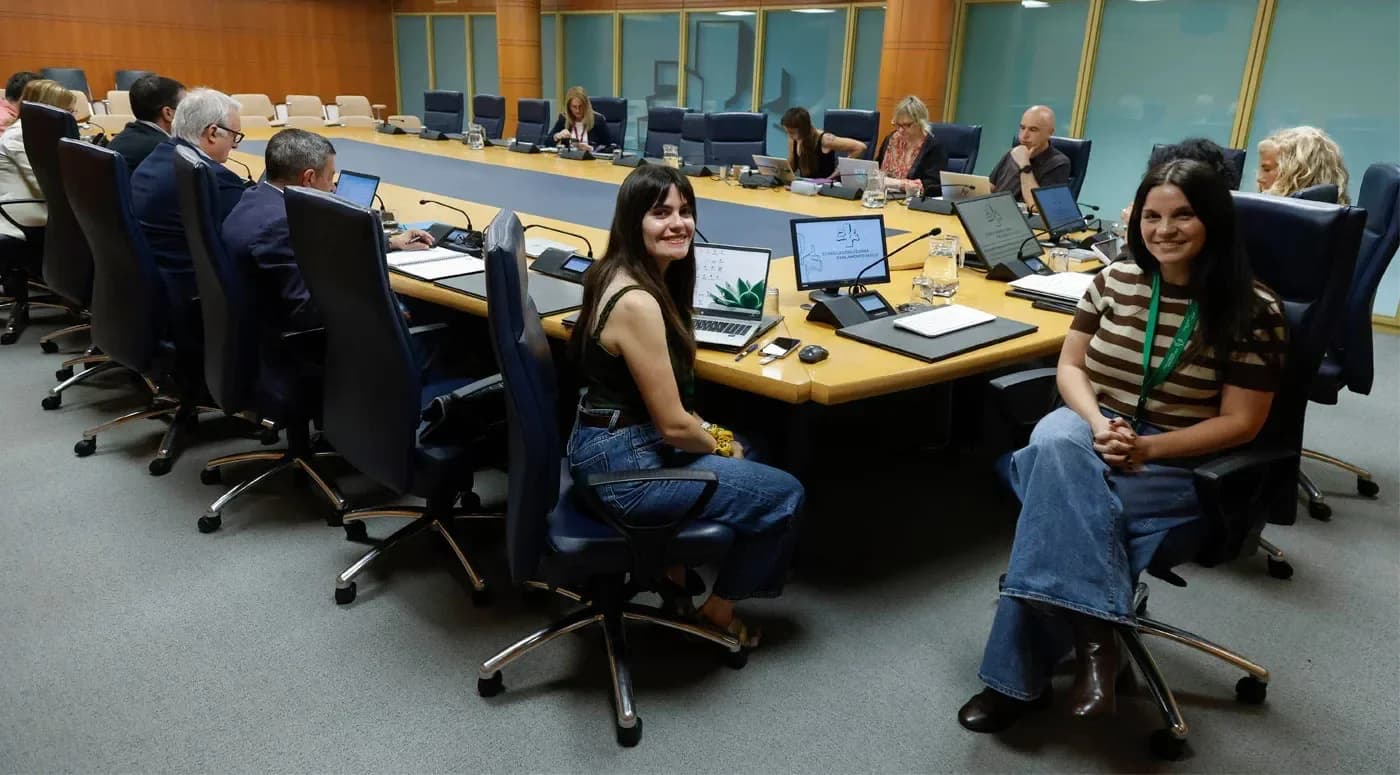
The Basque Parliament's Security Commission has opened a contentious debate on social bingo regulation that could reshape how gaming activities in elderly centers are overseen across Euskadi. The discussion centers on proposed reforms to the Gaming Law initiated by the Partido Popular, with commercial operators demanding regulatory parity for all bingo activities regardless of venue.
Industry Calls for Level Playing Field
Pedro Jiménez, spokesperson for the Asociación de Bingos de Euskadi, presented a forceful case for equal regulatory treatment during parliamentary hearings. He characterized social bingo in elderly centers as "competencia desleal" (unfair competition) to licensed establishments, arguing both activities target identical demographics.
“We have the same and only clientele”
— Pedro Jiménez, Spokesperson, Asociación de Bingos de Euskadi
Jiménez emphasized that authorized bingo halls operate under stringent regulatory frameworks requiring specific access controls, security measures, and user identification protocols. Licensed venues must verify players against self-exclusion databases and comply with comprehensive oversight mechanisms – obligations absent from social bingo activities.
The industry representative warned that unregulated bingo operations "no se controla si acceden autoprohibidos" (do not control if self-excluded persons access), creating potential compliance gaps that could undermine broader responsible gaming objectives.
Warning
Social bingo operations lack self-exclusion database verification requirements that licensed venues must maintain. This creates potential regulatory blind spots where problem gamblers could circumvent protection measures designed to limit their access to gaming activities.
Elderly Centers Defend Social Value
Representatives from senior associations mounted a robust defense of social bingo activities, emphasizing their community integration benefits. Iluminada Raimundo from the Santutxu elderly center described bingo as an essential social tool for newcomers.
“It is the way they start to meet people when they arrive at the association”
— Iluminada Raimundo, Representative, Santutxu elderly center
Luis Carlos Matías, president of the Asociación Provincial de Pensionistas, Jubilados y Viudas de Álava Las Cuatro Torres, reinforced these arguments, highlighting how bingo activities help maintain elderly people's social engagement and combat isolation.
Research Reveals Widespread Practice
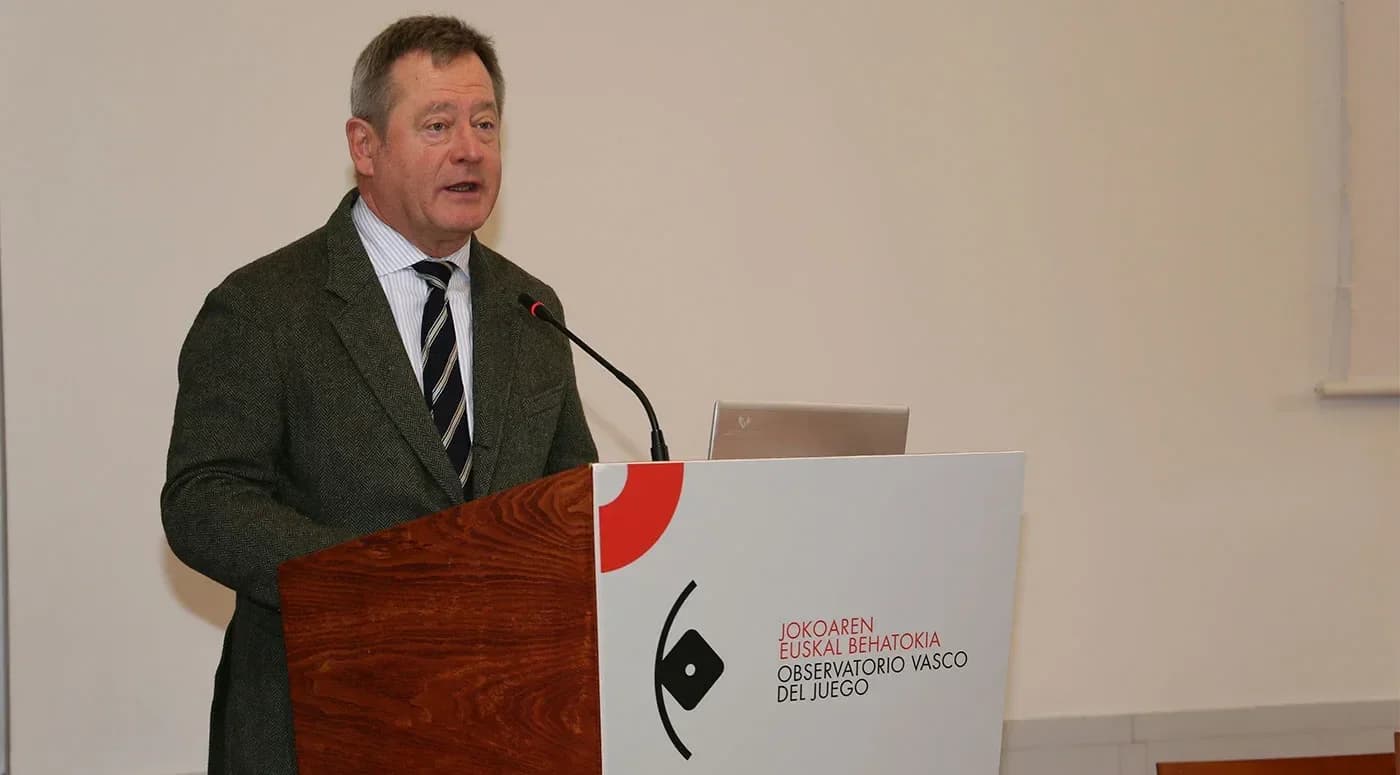
Data presented by the Observatorio Vasco del Juego exposed the scale of social bingo across Euskadi. The study found 63.1% of surveyed elderly associations offer or have previously offered bingo activities, while 13.5% have recently suspended such programs due to regulatory uncertainty and sanction fears.
The research characterized social bingo as predominantly low-stakes activity, with typical card costs around 20 cents and prizes averaging five euros. This modest financial scale contrasts sharply with commercial bingo operations but maintains the essential gaming elements that trigger regulatory concerns.
Representatives from Fundación Gizakia provided addiction-focused perspectives, noting elderly populations show relatively low problem gambling incidence rates. The foundation emphasized social and relational benefits associated with these activities, supporting the community integration arguments advanced by elderly center advocates.
63.1%
Elderly associations offering bingo activities
13.5%
Associations suspending programs due to regulatory fears
€0.20
Typical bingo card cost
€5.00
Average prize amount
Regulatory Framework Under Review
The parliamentary process continues as lawmakers examine potential Gaming Law modifications that could accommodate social bingo within existing regulatory structures. The challenge involves balancing community social benefits against industry fairness concerns and consumer protection requirements.
Current discussions reveal fundamental tensions between social welfare objectives and commercial gaming regulation. Elderly centers argue their activities serve community integration rather than profit generation, while licensed operators contend that any activity involving monetary prizes requires consistent oversight regardless of venue or stated purpose.
Strategic Implications for Gaming Regulation
This debate signals broader challenges facing regional gaming regulators attempting to balance traditional community activities with evolving compliance standards. The outcome could establish precedents for how jurisdictions handle similar conflicts between social gaming and commercial operations.
For gaming operators, the proceedings highlight risks of regulatory inconsistency that could create unfair competitive advantages for unregulated activities. The industry's emphasis on equal treatment reflects concerns that exemptions for social venues could undermine the rationale for comprehensive licensing requirements. The resolution may also influence how other autonomous communities approach similar social gaming activities, particularly given the widespread nature of elderly center bingo across Spain. Regulatory harmonization questions extend beyond Euskadi's borders, affecting broader Spanish gaming policy development.
The article does not specify measurement methodologies, but operators could track customer demographic overlap and revenue patterns in areas with high elderly center bingo activity. Given that both target identical demographics according to industry representatives, location-based analysis would be essential.
Based on licensed venue requirements mentioned, they would need access controls, security measures, user identification protocols, and self-exclusion database verification systems. The source does not detail implementation costs or timelines for elderly centers to achieve compliance.
The parliamentary decision may establish broader principles for how community-based gaming activities are regulated versus commercial operations. However, the article does not specify which other social venues or activities might fall under similar scrutiny if regulatory frameworks change.
According to AzarPlus.