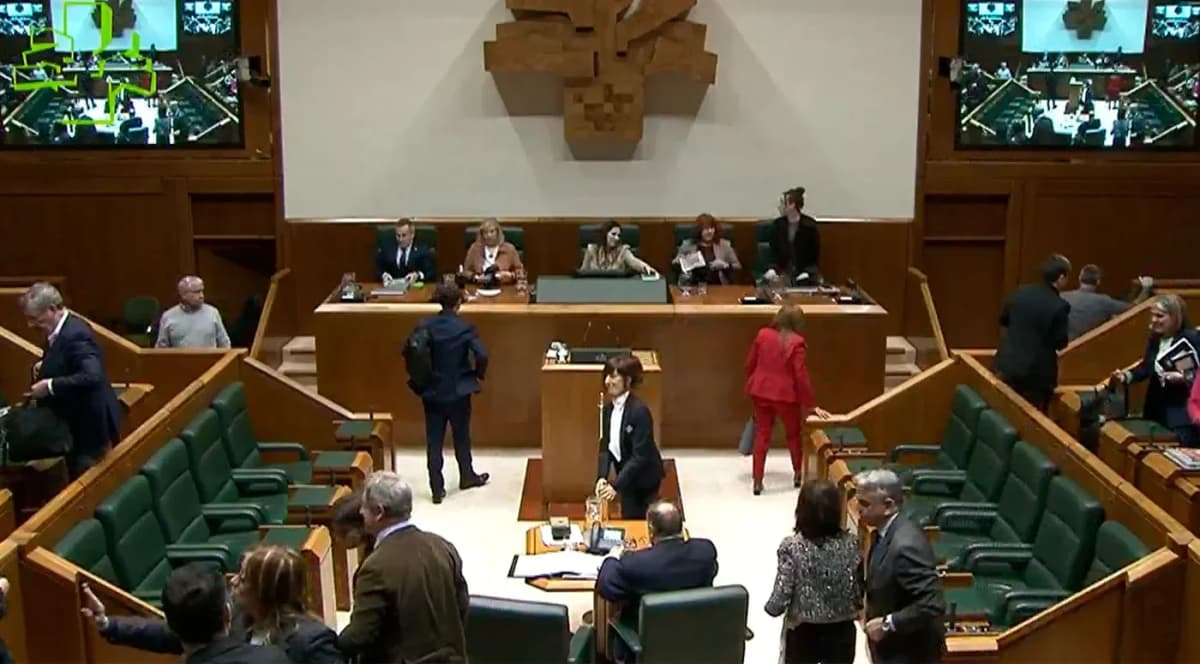
The Basque Parliament has approved consideration of legislative changes that would exempt certain non-profit recreational bingo activities from standard gaming authorisation requirements, marking a significant shift in the region's approach to social gambling among elderly populations.
The proposal, originally championed by the Grupo Popular Vasco, secured broad parliamentary support with 47 votes in favour from PNV, PSE-EE, PP and Vox parties, against 26 abstentions from EH Bildu and Sumar. The vote formally launches a legislative committee process to modify the existing Gaming Law framework.
Police Intervention Sparks Reform
The legislative push emerged directly from a recent Ertzaintza intervention at a Bilbao pensioner centre, where police warned users about the illegality of their bingo games involving symbolic monetary exchanges of 20 cents per card. Under current regulations, gaming activities in the Basque Country require authorisation from the Dirección de Juegos y Espectáculos del Gobierno Vasco, with unauthorised economic gaming activities facing sanctions of up to €60,000.
Whilst existing law permits bingo games without money exchange, the proposed reform would specifically allow recreational variants involving very small stakes, particularly targeting senior centres and social entities.
Understanding the Legal Framework
The Dirección de Juegos y Espectáculos del Gobierno Vasco operates under strict liability standards where any economic gaming activity, regardless of amount, requires formal authorisation. This zero-tolerance approach has created enforcement dilemmas for officers who must technically treat 20-cent senior bingo games identically to commercial gambling operations.
Technical Amendments Expected
During parliamentary debate, coalition partners PNV and PSE-EE indicated their support for the proposal's objectives whilst signalling planned amendments to address what they termed "technical imprecision" in the original text's drafting.
The governing parties emphasised the need for precise definitions of which entities would qualify for exemptions, establishing maximum economic limits for symbolic amounts, and ensuring activities cannot mask commercial gambling operations.
Parliamentary discussion highlighted bingo's role as a socialisation and cognitive stimulation tool deeply embedded in neighbourhood and senior associations' traditions. However, legislators stressed the importance of transparency controls to maintain strictly recreational character and prevent the broad "non-profit entity" definition from creating unregulated gaming spaces.
Regional Precedent
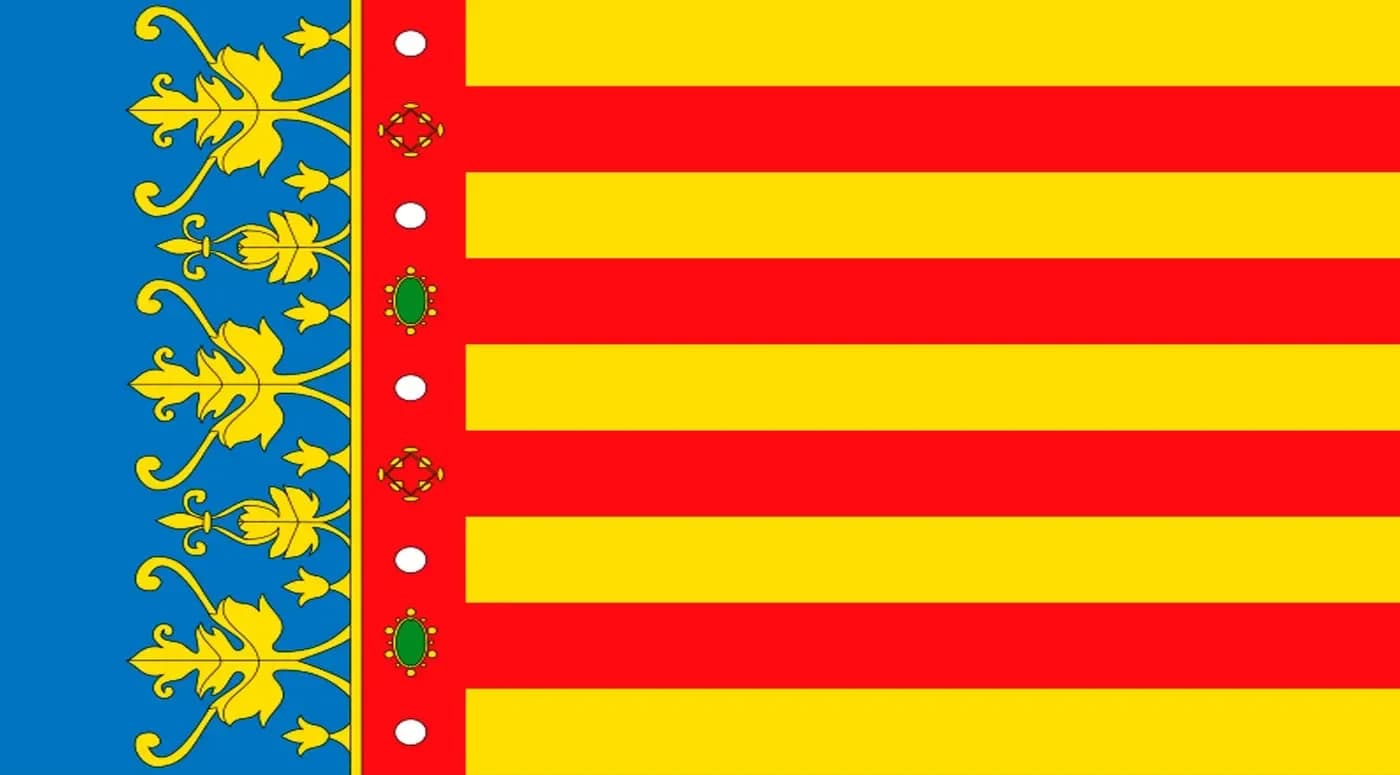
The Basque initiative follows similar reforms in Galicia and the Comunidad Valenciana, where social and recreational bingo for retirees has already been regularised. This reflects a broader Spanish trend towards accommodating traditional gaming activities within formal regulatory frameworks.
The proposed changes would specifically target senior centres and social entities organising non-profit bingo activities, creating a carve-out from general licensing requirements whilst maintaining oversight mechanisms.
Regulatory Alignment Challenges
The reform presents complex regulatory challenges in balancing social activities with gaming control obligations. Current legislation already permits money-free bingo games, but the proposed changes would introduce a controlled exception for minimal-stakes variants.
Key considerations include defining "symbolic" monetary limits, establishing qualifying entity criteria, and ensuring transparency mechanisms prevent commercial exploitation. The parliamentary committee process will need to navigate these technical complexities whilst preserving the social character of affected activities.
This development signals evolving attitudes towards low-stakes social gaming among vulnerable populations, with potential implications for similar initiatives across Spanish autonomous communities facing comparable regulatory tensions between tradition and oversight requirements.
The current proposal lacks specific monetary thresholds, which PNV and PSE-EE have identified as requiring amendment. The parliamentary committee process will establish precise definitions and maximum limits to distinguish recreational from commercial activities.
Galicia and the Comunidad Valenciana have already implemented similar exemptions for senior recreational bingo. The Basque proposal follows this regional trend while adapting to local regulatory frameworks and enforcement structures.
The reform will include transparency controls and qualifying entity criteria to maintain strictly recreational character. These safeguards aim to prevent commercial gambling operations from exploiting the broad 'non-profit entity' classification.
According to AzarPlus.