The Canary Islands government has introduced sweeping new gaming regulations that will dramatically reshape the sector's landscape, cutting authorised gaming machines and betting outlets by more than 50% while implementing stringent distance restrictions that extend to primary education centres.
The comprehensive regulatory framework, defended in parliament by Councillor for Presidency, Public Administration, Justice and Security Nieves Lady Barreto, aims to establish order following the expiry of the previous moratorium in December. The proposed legislation imposes highly restrictive limits across all gaming subsectors.
Dramatic Reduction in Gaming Machine Quotas
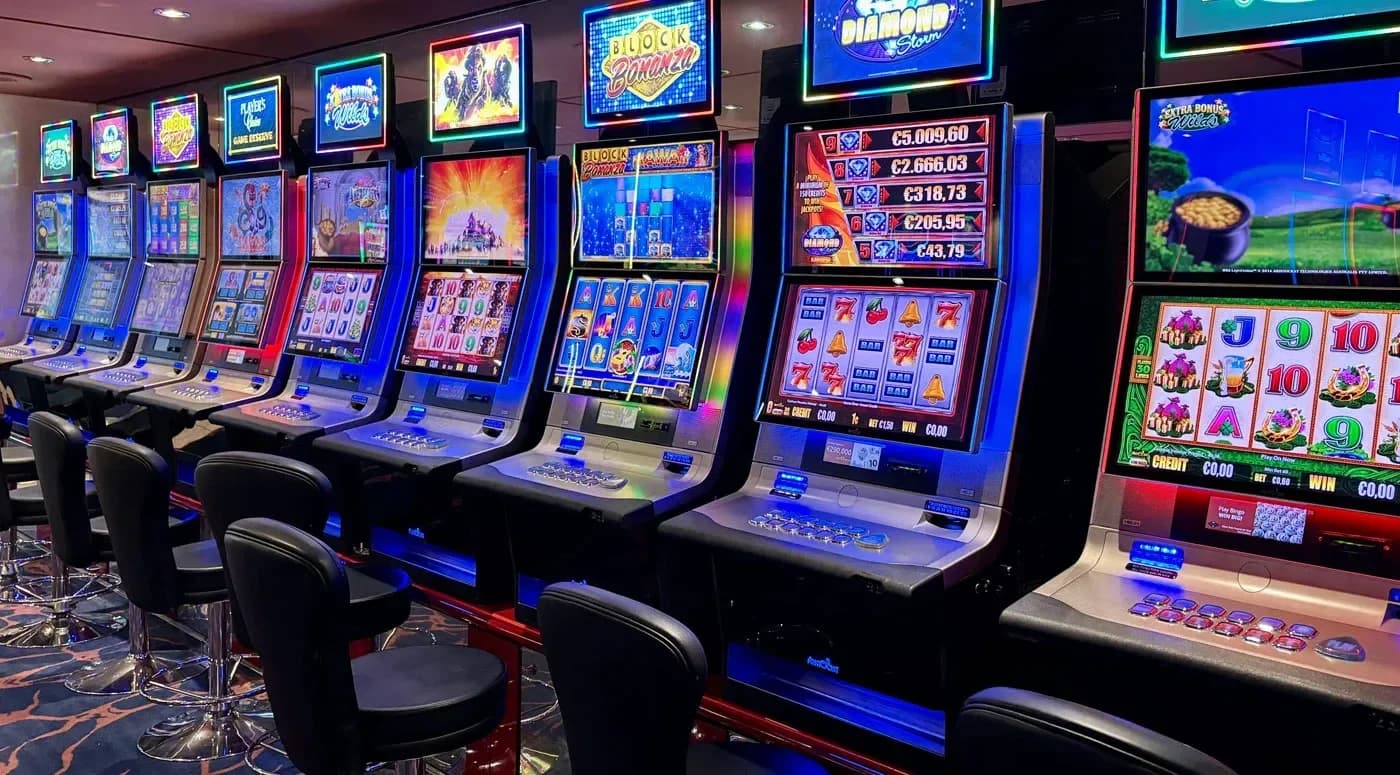
Under the new framework, Type B gaming machines in hospitality establishments face the most significant cuts. The allocation drops from 14,812 previous authorisations to a maximum of 7,200 units – representing a reduction of more than half the existing capacity.
The regulations exclude Type A machines from the regulatory scope entirely, as they do not provide direct economic compensation. This exclusion allows administrative control to focus specifically on gaming modalities that provide prizes.
14,812
Previous Type B gaming machine authorisations
7,200
New maximum Type B gaming machine units
50%+
Reduction in gaming machine capacity
Territorial Distribution and Venue Limits
The decree maintains the maximum number of authorised casinos at 12 across the archipelago while establishing a limit of 45 bingo halls at regional level. The distribution adjustments increase Tenerife's allocation to 15 halls while reducing Gran Canaria's quota to 22.
Gaming salons will also face maximum ceilings per island, with 150 units planned for both Gran Canaria and Tenerife. Growth will be strictly controlled, limiting new openings to a maximum of four annually in Tenerife and three in Fuerteventura during the plan's validity period.
| Venue Type | Previous/Planned | New Maximum | Reduction |
|---|---|---|---|
| Type B Gaming Machines | 14,812 | 7,200 | 51% |
| External Betting Venues | 95 | 35 | 63% |
| Casinos | 12 | 12 | 0% |
| Bingo Halls (Regional) | 45 | ||
| Gaming Salons (Gran Canaria) | 150 | ||
| Gaming Salons (Tenerife) | 150 |
Betting Shops Face Severe Restrictions
The external betting venues segment experiences the most drastic reduction in authorizations, falling from 95 initially planned licenses to a ceiling of just 35 available licenses – a cut of more than 60%.
Extended Distance Requirements
The regulations impose a 300-meter radius around all educational centers, including – for the first time – Primary and Early Years Education Centres (CEIP) and registered minor care centers. This restriction is complemented by a mandatory minimum distance of 200 metres between gaming salons and bingo halls to prevent concentration of gaming offerings in specific areas.
Legal Compliance Timeline
Existing venues that fall within the new 300-meter exclusion zones around primary education centres will likely need to relocate or apply for grandfathering exemptions. The regulatory framework may include transition periods allowing current operators to maintain licenses while seeking alternative locations that comply with the expanded distance requirements.
Modernisation and Access Control Measures
The framework permits implementation of new electronic payment methods in hospitality gaming machines, salons and bingo venues to improve transaction traceability and security. The current admission service will be replaced by more rigorous access controls that verify user age and ensure minors cannot transit through gaming areas, even in venues offering complementary restaurant or café services.
This shift toward mandatory access controls for gaming venues reflects broader regulatory trends across Spanish autonomous communities implementing enhanced player protection measures.
Administrative Simplification
At administrative level, the decree streamlines processes such as relocating recreational venues without requiring new guarantees and updates machine admission limits, raising the maximum value to 250 times the game price in line with economic evolution.
The Register of Gaming Access Prohibitions establishes a minimum permanence period of six months for self-exclusion registrations.
Regulatory Pressure Point for the Sector
The proposed framework represents one of the most restrictive gaming regulatory approaches implemented in Spain's autonomous communities. The scale of reductions – particularly the near-70% cut in betting shop licences and halving of hospitality gaming machines – suggests a shift towards significantly tighter market control.
Industry stakeholders now face the challenge of operating within dramatically reduced parameters while adapting to enhanced compliance requirements. The inclusion of primary education centres in distance restrictions notably extends protective measures beyond traditional secondary education boundaries, potentially limiting venue location options in urban areas. The implementation timeline and any sector negotiations regarding the framework's intensity will determine whether these restrictions take effect as proposed or undergo modifications during the legislative process.
Operators with Type B gaming machines above the 7,200 unit ceiling will need to reduce their fleet or transfer licenses to comply with the new limits. The regulatory framework likely includes a transition period for operators to adjust their machine portfolios to meet the reduced quotas.
The regulations impose 300-meter exclusion zones around primary education centres for all gaming venues. Existing venues within these zones may need to relocate or could potentially receive grandfathering provisions depending on the final implementation details of the legislative framework.
The Canary Islands' framework represents one of the most restrictive gaming regulatory approaches among Spain's autonomous communities. The 60% reduction in betting shop licenses and 50% cut in gaming machines exceeds the regulatory intensity implemented in most other Spanish regions.
According to AzarPlus.