Castilla y León has positioned gaming sector oversight as a central pillar of its 2026 tax control strategy, with the autonomous community's tax administration targeting comprehensive verification of operator compliance and fiscal benefit applications.
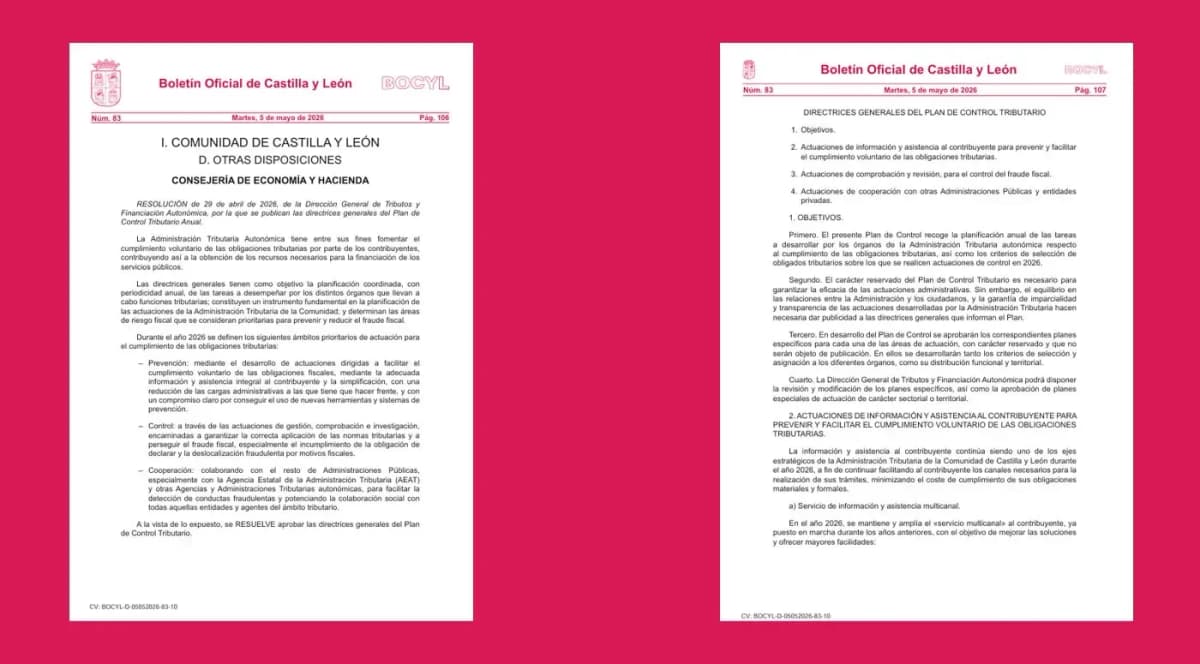
The Dirección General de Tributos y Financiación Autonómica has outlined a fiscal surveillance roadmap that prioritises verification of self-assessments and correct application of tax benefits, reduced rates, and bonifications affecting the Tasa Fiscal sobre el Juego.
Coordinated Control Framework
The 2026 strategy establishes coordinated action between tax management bodies and administrative services responsible for gaming oversight. This institutional collaboration aims to conduct exhaustive control of the operator census, ensuring database information held by the regional government aligns with actual operational activity.
Tax inspectors will focus particularly on detecting undeclared taxable events or incorrectly self-assessed obligations, employing massive data cross-referencing and risk analysis techniques. The approach represents a significant intensification of regulatory oversight across the gaming sector, following broader Spanish trends as seen with Spain's mandatory electronic invoicing reforms affecting business operations.
Compliance Best Practice
Gaming operators should establish internal audit systems that mirror tax authority verification processes. Implementing monthly self-assessment reviews and maintaining detailed records of all taxable events can significantly reduce exposure during intensified inspections.
Digital Transformation Requirements
Castilla y León plans to complete modernisation of its systems through the Oficina Virtual de Impuestos Autonómicos (OVIA). For gaming operators, this will mandate entirely electronic management of tax presentation and payment processes, streamlining procedures including debt deferrals and installment arrangements through generalised implementation of bank domiciliation.
The administrative facilitation comes alongside reinforced cooperation with the Agencia Estatal de la Administración Tributaria, maintaining constant exchange of technical and census information relating to gaming taxes. This collaborative approach mirrors the coordination seen with Spain's tax authority's updated gambling win reporting requirements for the 2025 fiscal year.
Strategic Implications for Operators
This enhanced surveillance framework signals Castilla y León's commitment to maximising gaming tax collection efficiency while ensuring complete regulatory compliance. The combination of digital modernisation and intensified controls creates a more streamlined yet scrutinised operating environment for gaming businesses in the autonomous community.
While specific penalty amounts aren't detailed in the strategy, operators face sanctions for undeclared taxable events and incorrect self-assessments. The coordinated oversight between regional and state authorities typically results in compounded administrative penalties plus interest on unpaid tax obligations.
The digital transformation is planned for completion by 2026, making electronic tax management through OVIA mandatory. Operators should begin transitioning their administrative processes now to ensure compliance when the system launches.
The enhanced cooperation with state tax authorities means operator activities across all regions will be cross-referenced against Castilla y León records. This creates potential for discovering discrepancies in other jurisdictions where the same operator holds licenses.
The coordinated approach between regional and state tax authorities indicates broader trends toward integrated fiscal oversight across Spain's gaming sector, with implications extending beyond Castilla y León's borders.
According to AzarPlus.