Cirsa Becomes First European Gaming Company in S&P Global Sustainability Yearbook 2026
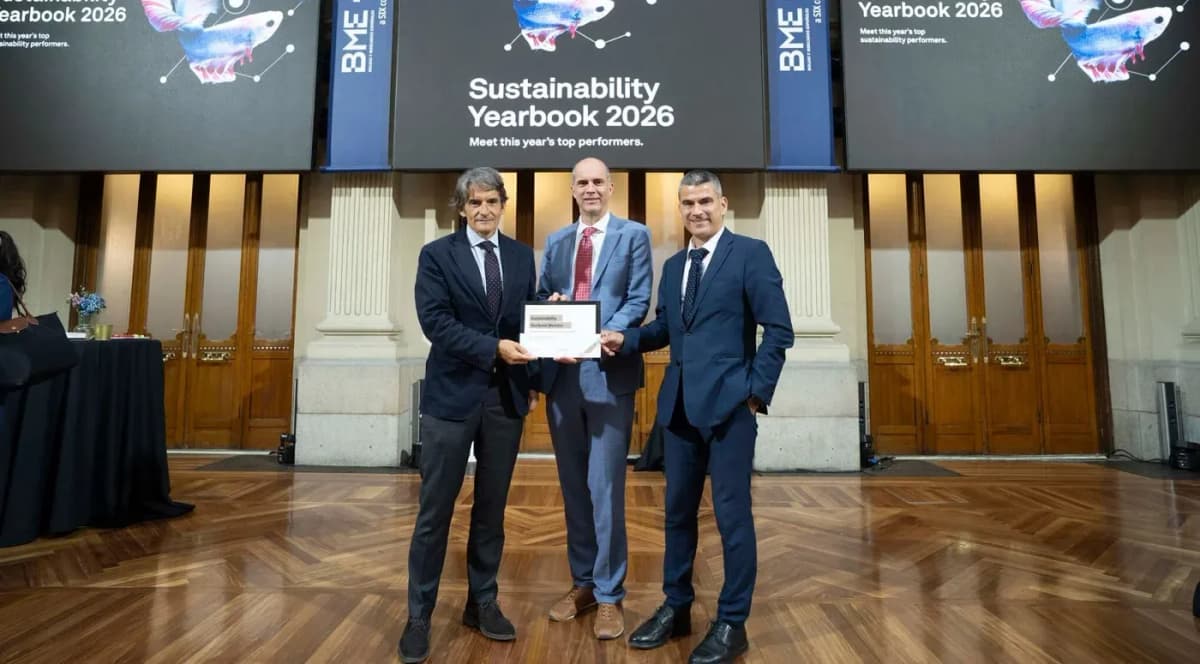
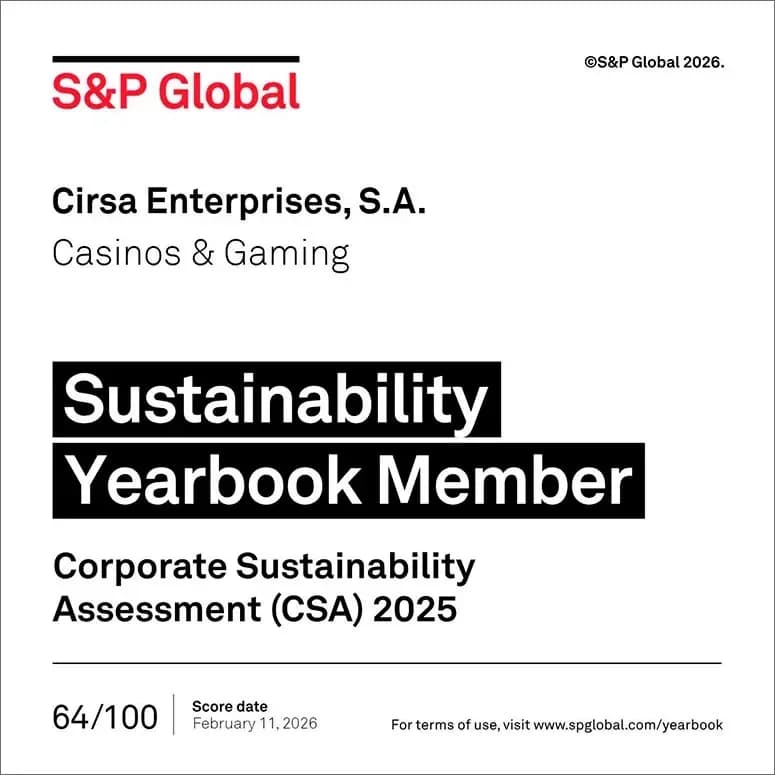
Cirsa has achieved a significant milestone in corporate sustainability, earning inclusion in The Sustainability Yearbook 2026 published by S&P Global — one of the most widely recognised international benchmarks for ESG performance and responsible business practices. The distinction makes Cirsa the first European company in the Gaming Sector to appear in the yearbook, a milestone that sets a new reference point for how land-based and gaming operators can position themselves within global sustainability frameworks.
A Highly Selective Index
The scale of the selection process underscores the significance of the recognition. Out of more than 9,200 companies evaluated globally, only 848 secured membership in The Sustainability Yearbook 2026 — a pass rate of less than 10%. Cirsa not only cleared that threshold but did so with a score of 64 out of 100 in S&P Global's Corporate Sustainability Assessment (CSA), the standardised evaluation tool underpinning the yearbook rankings.
Within that already exclusive group, Cirsa is one of just 33 Spanish companies to have achieved inclusion — and one of only eight companies worldwide drawn from the Casinos and Gaming sector to receive the distinction. This result follows a period of sustained financial performance: the operator posted €194M operating profit in Q1 2026, its 71st consecutive quarter of EBITDA growth.

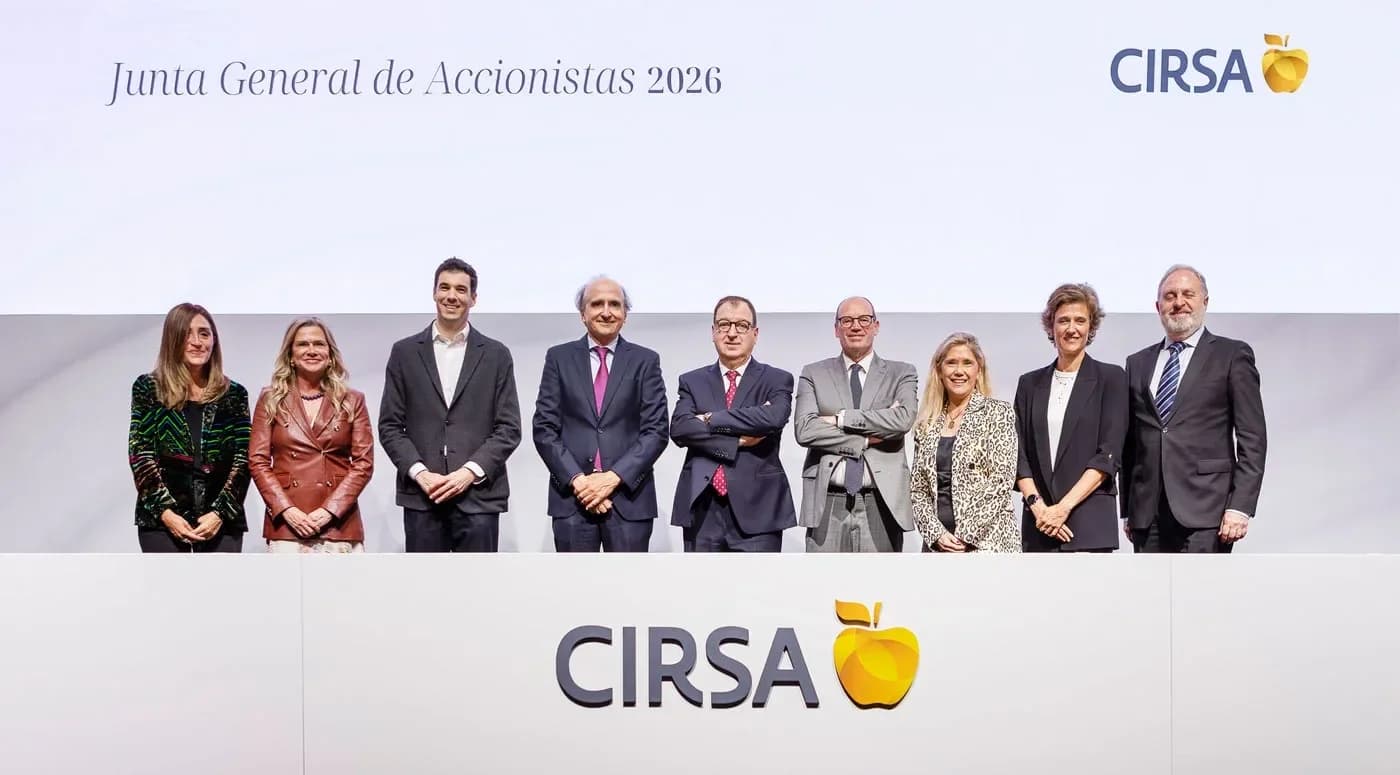
Cirsa participated in the event organised by S&P Global to formally recognise member companies, using the occasion to highlight the breadth and consistency of its environmental, social, and governance strategy.
“Recognises the progress and consistency of our ESG strategy, as well as the Group's commitment to increasingly responsible, transparent management aligned with the highest international standards.”
— Cirsa, Company statement
The company has also indicated that the recognition serves as a forward-looking motivator — reinforcing its objectives around sustainability, sound corporate governance, and value creation for the communities where it operates.
Preparing for the S&P CSA: What Operators Should Know
The S&P Global Corporate Sustainability Assessment is an annual evaluation that companies can participate in proactively by submitting documentation — it is not purely observation-based. Operators interested in future inclusion should review which ESG disclosure frameworks (GRI, SASB, TCFD) align most closely with CSA scoring criteria, as structured reporting significantly impacts assessment outcomes.
9,200+
Companies evaluated globally for the Sustainability Yearbook 2026
848
Companies that secured yearbook membership (less than 10% pass rate)
64/100
Cirsa's score in S&P Global's Corporate Sustainability Assessment
33
Spanish companies included in the Sustainability Yearbook 2026
8
Gaming sector companies worldwide to receive the distinction
What This Means for the Gaming Sector's ESG Trajectory
For iGaming and land-based operators watching sustainability credentials become an increasingly material factor in financing, licensing, and institutional partnerships, Cirsa's inclusion in the S&P Global yearbook carries implications well beyond a single company's PR calendar.
Being the sole European gaming operator among only eight sector peers worldwide to achieve this recognition highlights how underpenetrated the gaming industry remains within global ESG assessment frameworks. With fewer than 10% of the 9,200 evaluated companies making the cut, any gaming business that can demonstrate a CSA score competitive enough for inclusion is effectively differentiating itself in a space where most peers have yet to engage seriously with standardised ESG measurement.
For compliance officers and executives at peer operators, the immediate questions centre on what a score of 64 on the CSA actually represents in terms of underlying disclosure practices, governance structures, and environmental reporting — and whether competitors will now accelerate their own CSA participation to avoid being visibly absent from an index that institutional investors and regulators are increasingly likely to reference. The broader context matters here: unlicensed gaming operators currently control 78% of the $5.9 trillion global market, making ESG credibility an even sharper differentiator for licensed operators seeking institutional trust. The gaming sector's representation in The Sustainability Yearbook 2026 is currently thin; that may not remain the case for long.
With fewer than 10% of over 9,200 evaluated companies making the Sustainability Yearbook cut, any gaming operator achieving CSA inclusion is differentiating itself in a space where most peers have yet to engage seriously with standardised ESG measurement.
No, participation in the Corporate Sustainability Assessment is voluntary. However, absence from the Yearbook is increasingly visible to institutional investors and regulators that use it as a benchmark for the sector's ESG maturity.
The article does not disclose a detailed score breakdown, but CSA assesses environmental disclosure, social responsibility, and corporate governance. Operators should analyze their own reporting practices across these three areas before applying for assessment.
The source does not directly describe the mechanism of impact, but it notes that ESG credentials are becoming an increasingly material factor in financing, licensing, and institutional partnerships. Companies absent from such indices should assess the potential effect on their negotiating position with investors and regulators.
According to AzarPlus.