The iGaming industry has an engagement problem that extends far beyond tool selection. While operators deploy bonuses for churn prevention, launch leaderboards for campaigns, and run missions for traffic spikes, they're missing the fundamental architecture needed to create lasting player relationships.
The issue isn't that these individual mechanics fail to perform – it's that they operate in isolation, creating fragmented experiences that ultimately limit an operator's ability to understand and respond to player behavior effectively.
The Fragmentation Crisis
Most operators today run engagement strategies that belong in 2016, not 2026. Each tool functions independently: bonuses trigger when algorithms detect churn risk, leaderboards appear during specific campaigns then disappear, and missions generate temporary engagement spikes before fading away.
This fragmented approach creates what industry experts call an "illusion of coverage" – operators believe they're building comprehensive engagement strategies when they're actually assembling disconnected patches that fail to create meaningful player journeys.
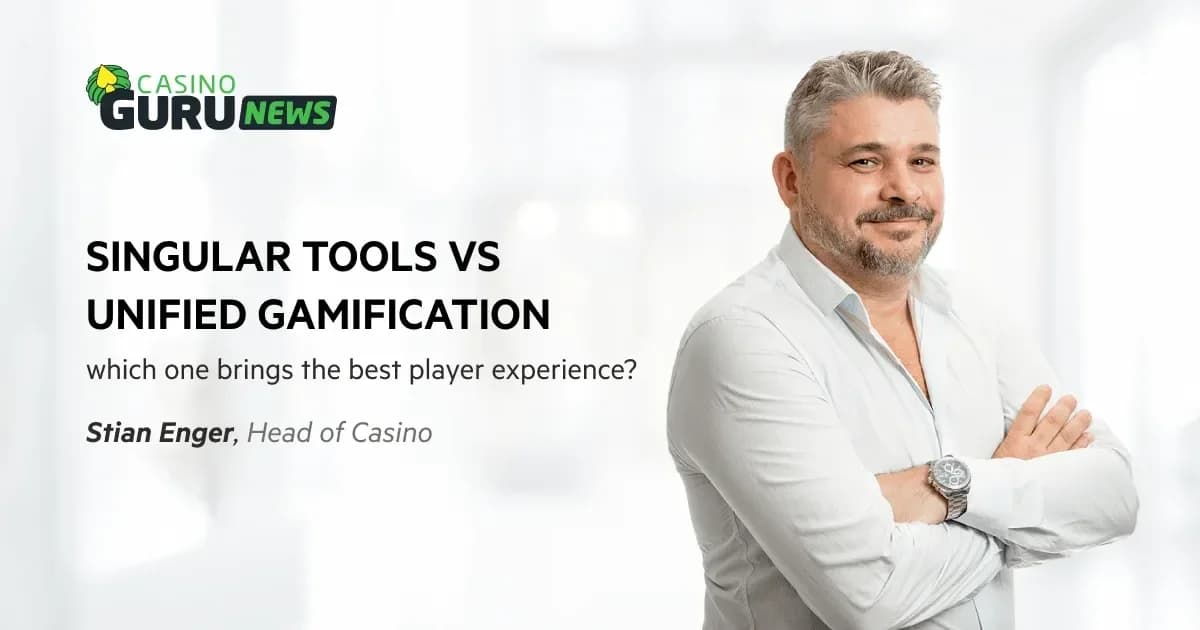
"When you look at how operators work today, they might have one tool for casino bonuses, another for sports promotions and something else for loyalty. The end result is a broken player journey that doesn't make sense and can't scale."
— Stian Enger, Head of Casino at EveryMatrix
The data challenges alone should prompt operators to reconsider their approach. Singular tools generate isolated insights – operators can track mission completion rates but lack visibility into how those missions influence long-term retention or interact with bonus behaviours downstream.
Integration Assessment
Before evaluating unified systems, audit your current tech stack integration points. Most operators discover they're paying for 3-5 separate data feeds that could be consolidated, plus additional costs for custom API work to connect tools that weren't designed to work together.
The Case for Unified Ecosystems
Unified gamification systems don't eliminate individual mechanics like bonuses, missions, or leaderboards. Instead, they create frameworks where these elements connect and reinforce each other throughout the entire player lifecycle.
The operational benefits extend beyond improved player experience. Rather than managing multiple integrations and separate data streams, operators work within single systems where components communicate seamlessly. This centralised approach enables proactive engagement strategies that anticipate player needs rather than simply reacting to churn signals.
"When you unify your gamification strategy, you don't just deliver a bonus. You deliver a reward journey that makes sense for every player, no matter how or where they choose to play."
— Stian Enger
Solutions like EveryMatrix's EngageSuite demonstrate this unified approach in practice, orchestrating gamification, loyalty, and personalisation within integrated frameworks. The platform enables operators to deliver personalised pathways before disengagement occurs, fundamentally shifting from reactive to proactive engagement models.
Market Adoption and Validation
The unified approach isn't theoretical – tier-1 operators are actively choosing these solutions. In 2025, leading regulated brands including Danske Spil and Pinnacle Ontario selected EngageSuite to power their operations.
EngageSuite will support Danske Spil in delivering more engaging customer experiences while strengthening both acquisition and retention capabilities. For Pinnacle Ontario, EngageSuite Bonuses and additional suite tools are planned for integration following the initial Casino platform rollout to enhance acquisition and retention efforts.
EveryMatrix reported record performance for new turnkey platform business, with increasing numbers of tier-1 operators and lotteries choosing the platform technology.
The Personalisation Imperative
Player expectations have evolved significantly, creating new requirements for engagement sophistication. Research from Sailthru found that 71% of customers would engage more with brands offering personalised experiences, while 53% of companies reported increases in loyalty and retention after implementing personalisation strategies.
Given the competitive intensity in regulated iGaming markets, operators can reasonably expect player standards to exceed general consumer expectations rather than fall below them.
Operators relying on disconnected tools aren't just missing retention opportunities – they're limiting their ability to understand and intelligently respond to player behavior.
The business case extends beyond immediate engagement metrics. Unified systems enable operators to build compound engagement effects where each interaction informs future personalisation, creating virtuous cycles of improved player understanding and more targeted responses.
71%
of customers would engage more with personalised experiences
53%
of companies saw loyalty increases after personalisation
Strategic Implications for Operators
The shift toward unified engagement ecosystems represents more than a technology upgrade – it's a fundamental change in how operators approach player relationships. While singular tools can deliver tactical results, sustainable engagement improvements require architectural thinking that connects all player touchpoints.
Operators continuing to rely on fragmented approaches face increasing disadvantages in competitive markets where personalisation and coherent player journeys become baseline expectations rather than differentiators. The question isn't whether unified systems will become standard, but how quickly operators can transition to architectures that support long-term engagement strategies. The technology exists. The market validation is clear. What remains is for operators to recognise that the gap between tactical tool deployment and strategic engagement architecture will only widen as player expectations continue to evolve.
Implementation Timeline
Full unified ecosystem migrations typically require 3-6 months for tier-1 operators, including data migration, staff training, and gradual feature rollouts. However, operators can begin seeing engagement improvements within 30-45 days of implementing core personalisation features.
Yes, most unified platforms like EngageSuite support gradual migration strategies. Operators typically maintain existing tools while gradually transferring features, ensuring continuity throughout the transition process.
While implementation takes 3-6 months, operators generally see improved engagement metrics within 30-45 days. Full ROI typically materializes within 6-12 months as compound engagement effects build and operational efficiencies reduce tool management costs.
Enterprise unified platforms are designed with multi-jurisdictional compliance built-in, automatically adjusting bonus terms, promotional mechanics, and data handling based on player location. This eliminates the need for separate compliance management across individual tools.
According to EveryMatrix.