The iGaming industry has a fundamental engagement problem: operators continue deploying singular tools as if it were 2016, not 2026. While individual mechanics like bonuses, leaderboards, and missions serve their immediate purpose, they fail to create the cohesive player journeys that drive sustainable retention.
The Fragmentation Challenge
Traditional engagement strategies operate in silos. Bonuses trigger when churn algorithms detect risk. Leaderboards materialise during campaigns then disappear. Mission systems generate temporary spikes before fading. Each tool performs its isolated function without building toward any unified experience.
This fragmented approach creates multiple operational headaches. Each tool generates separate data streams. Every campaign demands individual integration work. When components break, they damage specific aspects of player experience rather than degrading gracefully within a connected system.
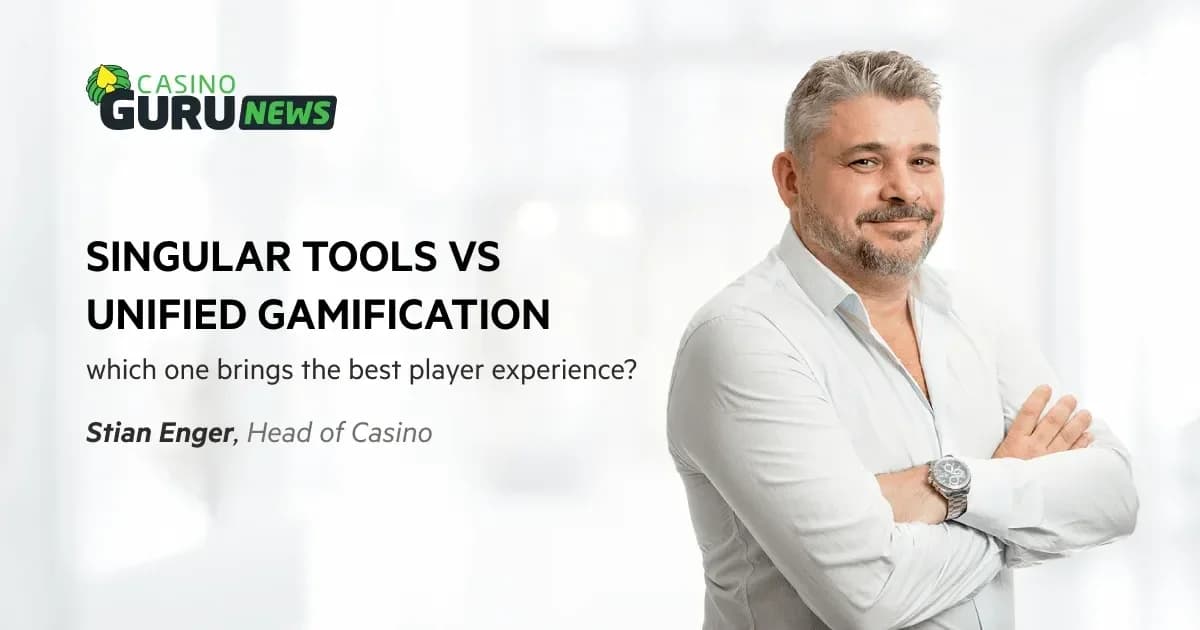
"When you look at how operators work today, they might have one tool for casino bonuses, another for sports promotions and something else for loyalty. The end result is a broken player journey that doesn't make sense and can't scale."
— Stian Enger, Head of Casino at EveryMatrix
The data isolation problem proves particularly damaging. Operators can measure mission completion rates but cannot track how those missions influence downstream retention or interact with bonus behaviours. Decision-making relies on fragments rather than comprehensive player intelligence.
Players experience this complexity as generic rewards, choppy journeys, and reactive rather than anticipatory incentives. The sophisticated personalisation they expect from other digital services remains absent from their gaming experience.
Unified Ecosystem Advantages
Unified loyalty and gamification ecosystems address these limitations by connecting rather than replacing individual mechanics. Bonuses, missions, leaderboards, and loyalty programs operate within integrated frameworks where each element informs the next.
The operational benefits extend beyond player experience. Instead of managing multiple tool deployments and separate integrations, operators work within single systems where components communicate natively. Data centralisation enables coherent logic and consistent experiences across all touchpoints.
"When you unify your gamification strategy, you don't just deliver a bonus. You deliver a reward journey that makes sense for every player, no matter how or where they choose to play."
— Stian Enger
This integration enables proactive rather than reactive engagement. Players receive personalised pathways before disengagement occurs, not after churn risk detection systems activate. The result transforms how operators understand and respond to player behaviour patterns.
Market Validation
Leading operators increasingly recognise unified ecosystem value. In 2025, tier-1 regulated brands including Danske Spil and Pinnacle Ontario selected EveryMatrix's EngageSuite to power their engagement strategies.
EngageSuite represents this unified approach, orchestrating gamification, loyalty, and personalisation within integrated frameworks where each player interaction builds comprehensive behavioural profiles. For Danske Spil, the platform supports enhanced customer experiences while strengthening acquisition and retention simultaneously.
Pinnacle Ontario plans to integrate EngageSuite Bonuses alongside additional suite tools following their initial casino platform rollout, demonstrating confidence in the unified approach for acquisition and retention enhancement.
EveryMatrix reported record turnkey platform business growth, with increasing numbers of tier-1 operators and lotteries adopting their integrated technology solutions.
The Personalisation Imperative
Player expectations have evolved significantly beyond what disconnected tools can deliver. Research from Sailthru reveals that 71% of customers would engage more with brands offering personalised experiences. The business case proves equally compelling: 53% of companies reported loyalty and retention increases after implementing personalisation strategies.
Given competitive pressures within regulated iGaming markets, personalisation standards likely exceed general retail expectations. Operators relying on disconnected tools not only sacrifice retention opportunities but limit their capacity for understanding players and responding intelligently to behavioural signals.
71%
Customers who would engage more with personalised experiences
53%
Companies reporting loyalty increases after personalisation
Strategic Architecture Gap
Individual tools retain their place within engagement strategies. Well-executed leaderboards and tightly designed bonus mechanics deliver measurable results. However, lasting impact, compounding engagement, and quarter-over-quarter retention improvements require systems where all components connect seamlessly.
The technological capabilities exist. What remains underdeveloped is architectural thinking that prioritises integration over isolation, continuity over campaigns, and comprehensive player intelligence over fragmented analytics.
Integration Assessment
Before selecting unified platforms, audit your current tool stack to identify data overlap points and integration costs. Calculate the hidden operational overhead of managing multiple vendor relationships, separate compliance reviews, and disconnected analytics dashboards.
What This Means for Operator Strategy
The shift toward unified gamification represents more than technological evolution – it reflects fundamental changes in how successful operators approach player lifecycle management. Those maintaining fragmented toolsets face increasing disadvantage against competitors deploying integrated ecosystems.
For compliance officers and product managers, unified platforms simplify regulatory oversight by centralising data flows and standardising player protection mechanisms across all engagement touchpoints. This consolidation reduces audit complexity while improving transparency. The question facing decision-makers isn't whether to adopt gamification – most operators already deploy multiple tools. Instead, the strategic choice involves architecture: continue managing disconnected systems or invest in platforms that transform engagement strategies.olated mechanics into coherent player experiences that adapt and improve over time.
Compliance Considerations
Unified platforms may require updated responsible gaming policies since player data flows across multiple engagement touchpoints. Ensure your legal team reviews how consolidated player profiles affect GDPR compliance and responsible gambling monitoring requirements.
Focus on cross-tool player journey completion rates, data integration latency between systems, and operational overhead reduction in campaign management. The article suggests measuring comprehensive player intelligence rather than isolated tool performance.
The article doesn't specify migration protocols, but operators should evaluate data consolidation requirements and player profile unification processes. Consider how historical engagement data from separate tools will integrate into new unified player intelligence systems.
The source doesn't provide implementation timelines, but given the complexity of replacing multiple tools with integrated systems, operators should plan for extensive testing phases. Regulatory approval processes may extend deployment schedules in licensed markets.
According to EveryMatrix.