Spanish gaming industry association Jdigital has escalated concerns about illegal operator proliferation to the Senate, highlighting the surge in unauthorised prediction markets as a critical threat to the regulated sector.
Jorge Hinojosa, director general of Jdigital, addressed these pressing issues in the association's latest video newsletter, emphasising how illegal gaming operations continue advancing, particularly through prediction market platforms operating outside regulatory frameworks.
Parliamentary Engagement on Enforcement
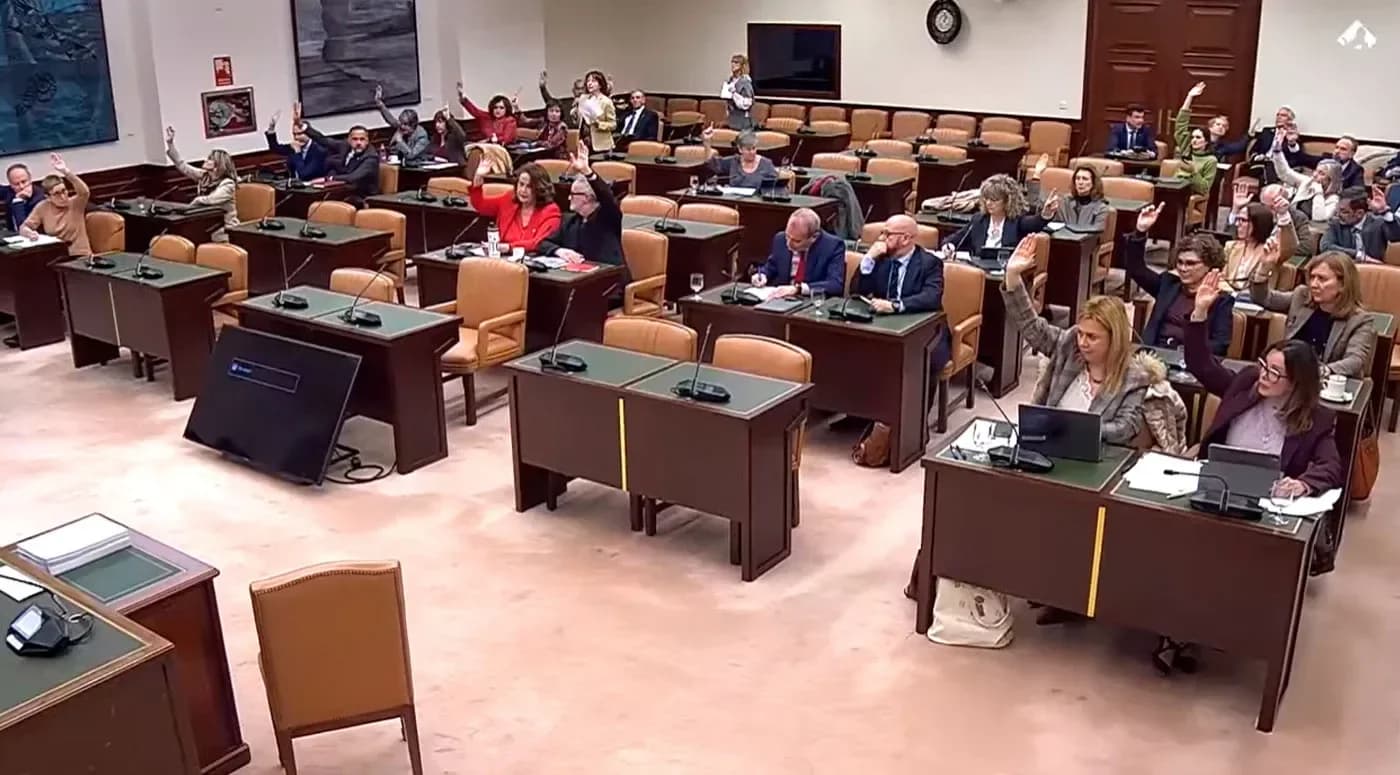
To address these concerns directly, Jdigital arranged a meeting with Elena Castillo, senator from the Popular Parliamentary Group. The association used this opportunity to convey licensed operators' frustrations and demand that DGOJ implement genuinely effective sanctions against entities operating illegally within Spain.
The discussion focused on strengthening enforcement mechanisms to create meaningful deterrents for unauthorised operators who undermine the regulated market's integrity and consumer protections.
DGOJ Enforcement Powers
Spain's gambling regulator DGOJ can impose fines up to €100,000 for minor infractions and up to €1 million for serious violations. However, enforcement against offshore operators remains challenging due to jurisdictional limitations and the need for international cooperation agreements.
Challenging New Money Laundering Requirements
Beyond illegal operator concerns, Jdigital maintains strong opposition to the proposed Royal Decree on money laundering prevention, which would impose additional identity verification obligations on licensed operators.
“The proposal lacks clear justification and deviates from the principle of proportionality”
— Jorge Hinojosa, Director General of Jdigital
According to Hinojosa, the government's approach abandons traditional risk-based methodologies in favour of uniform, blanket requirements that raise serious questions about technical viability – particularly considering the sector already operates under strict compliance obligations.
Compliance Strategy
Licensed operators should maintain detailed documentation of their existing AML procedures and risk assessment methodologies. This evidence base will be crucial when responding to consultation periods or demonstrating that current measures already exceed the proposed blanket requirements.
Deposit Limit Opposition
The association also maintains its stance against the proposed joint deposit limit system, currently under analysis by the Council of State as part of the government's 2026 regulatory agenda.
“This system represents an absolutely unnecessary mechanism that lacks efficiency for its intended objectives”
— Jorge Hinojosa, Director General of Jdigital
Industry Recognition Event
On a more positive note, Hinojosa announced preparations for the Premios Jdigital awards ceremony in Ceuta on 17 June during Bet On Ceuta. The association has received nominations and assembled a professional jury to recognise industry best practices in the autonomous city.
Regulatory Pressure Points
The convergence of illegal operator growth, additional compliance burdens, and restrictive deposit controls represents a challenging regulatory environment for Spain's licensed gaming sector. Jdigital's parliamentary outreach signals the association's determination to secure meaningful enforcement against unauthorised competitors while resisting what it views as disproportionate regulatory expansion. The association's multi-front approach – combining legislative advocacy, regulatory opposition, and industry recognition – reflects the complex challenges facing Spain's regulated gaming market as it navigates competing pressures from illegal competition and expanding compliance requirements.
Prediction markets allow users to bet on future events like election outcomes or economic indicators. Many operate without Spanish licenses, creating unfair competition for regulated operators who must comply with strict consumer protection and tax obligations.
The proposed system would track player deposits across all licensed operators, preventing users from circumventing individual operator limits. Critics argue this creates technical complexity without addressing problem gambling effectively.
DGOJ can issue blocking orders to ISPs, impose financial penalties, and coordinate with international regulators. However, enforcement effectiveness depends on operators having Spanish assets or operations that can be directly targeted.
According to AzarPlus.