Seven Years of Consistent Brand Performance
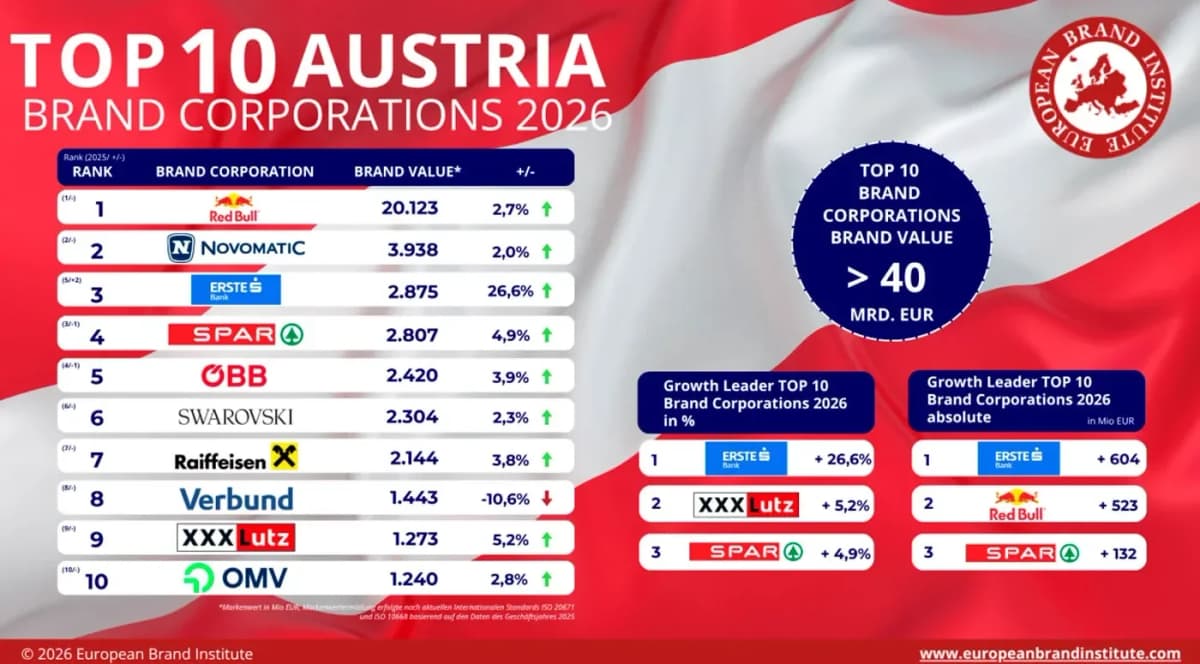
The 2026 edition of the study places Novomatic's brand value at €3,938 million, representing a 2% increase on the previous year. That incremental but consistent growth pattern underscores the group's sustained commercial momentum rather than a one-off rebound, which is arguably more meaningful for long-term investors and partners evaluating brand resilience.
The study examined 180 companies across 16 economic sectors, with more than 45% of those assessed under Austrian ownership. Valuations were conducted in accordance with international standards ISO 10668 and ISO 20671 — the recognised benchmarks for brand valuation and brand management respectively — lending methodological weight to the findings. Novomatic is not the only gaming firm pursuing ISO 20671 recognition; the company has already secured ISO 20671 certification as the first gaming operator to do so, making this study result a continuation of a deliberate standards-driven strategy.
Sustainability as a Strategic Pillar in Novomatic's Brand Value
The table below summarises the key parameters of the Austrian Brand Value Study 2026, giving procurement and compliance teams a quick reference for evaluating the methodological scope and credibility of the findings.
| Study Parameter | Detail |
|---|---|
| Study Name | Austrian Brand Value Study 2026 |
| Conducted By | European Brand Institute (EBI) |
| Companies Assessed | 180 |
| Economic Sectors Covered | 16 |
| Austrian-Owned Share | 45%+ |
| Valuation Standards Applied | ISO 10668, ISO 20671 |
| Novomatic Brand Value | €3,938 million |
| Year-on-Year Change | +2% |
| Novomatic National Rank | 2nd (behind Red Bull) |
| Years Held at Rank 2 | 7 (since 2020) |
€3,938M
Novomatic Brand Value (2026)
2%
Year-on-Year Brand Value Increase
7
Consecutive Years in Second Place
180
Companies Assessed in the Study
16
Economic Sectors Covered
45%+
Share of Assessed Companies Under Austrian Ownership
Beyond the headline brand value figure, Novomatic retained second place in the Sustainable Brand Ranking, which recognises companies demonstrating the strongest commitment to environmental, social, and governance (ESG) criteria. The EBI study attributes this position to the group's integration of ESG principles into its long-term corporate strategy, with performance independently assessed by specialist sustainability agencies.
Stefan Krenn, a member of the Novomatic Executive Board, offered context on both dimensions of the recognition.
"This leadership position once again confirms the strong international appeal of the Novomatic brand and the success of our long-term corporate strategy. We have further strengthened the Novomatic brand worldwide through continuous innovation, the expansion of our global presence and a constant focus on sustainable growth." ::::
"The fact that we are once again among the leading companies in the Sustainable Brand Ranking demonstrates that economic success and responsible business management are inextricably linked at Novomatic." ::::
How ISO 10668 and ISO 20671 Affect Brand Valuation Credibility
ISO 10668 governs the monetary valuation of brands, setting requirements for financial, behavioural, and legal analysis. ISO 20671 focuses on brand evaluation from a market and stakeholder perception perspective. When a study cites both standards simultaneously, it signals that the rankings reflect not just financial modelling but also independently verified brand strength — a distinction that matters when using these valuations in M&A due diligence, licensing negotiations, or ESG procurement assessments.
What Novomatic's Dual Ranking Signals for the B2B Landscape
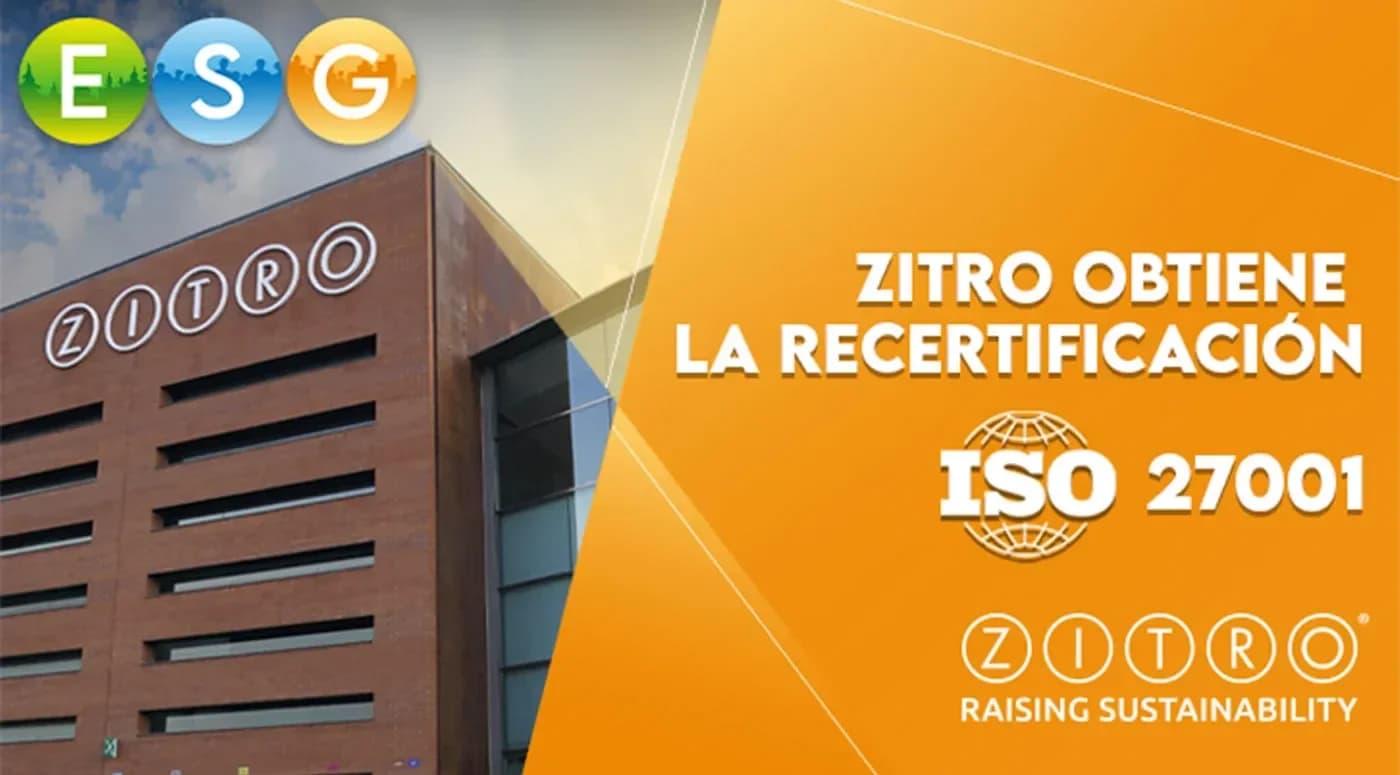
For operators and partners assessing Novomatic as a supplier or counterparty, the dual ranking — commercial brand value and ESG standing — carries practical weight. Regulatory frameworks across Europe are placing increasing emphasis on responsible business conduct as a licensing and procurement consideration. The trend is visible across jurisdictions: Zitro, for instance, recently earned a GLI Responsible Gaming Seal for its Spain operations, reflecting how gaming suppliers are competing on ESG credentials alongside product portfolios.
The 2% year-on-year increase in brand value, while modest in percentage terms, applied to a base of nearly €4 billion represents a substantial absolute gain. What the study does not address, however, is how that brand value translates into contract pricing leverage, market share shifts, or comparative performance against non-Austrian gaming technology groups operating in overlapping territories — all questions that decision-makers in procurement and compliance will want to track independently.
The article notes that regulatory frameworks across Europe are increasingly treating responsible business conduct as a licensing and procurement consideration. While it does not confirm that the EBI ranking directly influences regulatory decisions, a demonstrated and independently assessed ESG standing — particularly one held consecutively — provides documented evidence that compliance and procurement officers can reference. Operators should verify how their specific jurisdiction weights third-party brand and ESG assessments in licence renewal or supplier approval processes.
The article explicitly flags that the study does not address how brand value translates into contract pricing leverage or market share shifts — these remain open questions for procurement teams. However, a sustained upward trajectory on a multi-billion euro base signals financial stability and reduced counterparty risk, both of which typically strengthen a supplier's negotiating position. Decision-makers should track this alongside operational metrics rather than treating the brand figure as a standalone procurement signal.
The EBI study is scoped to Austrian-owned and Austrian-operating companies, meaning it does not benchmark Novomatic against global gaming technology peers operating in overlapping territories. The article acknowledges this gap directly. Operators conducting competitive supplier assessments will need to source cross-border brand and ESG valuations independently, as the EBI methodology — while ISO-compliant — is not designed to serve as a global competitive ranking tool.
According to AzarPlus.