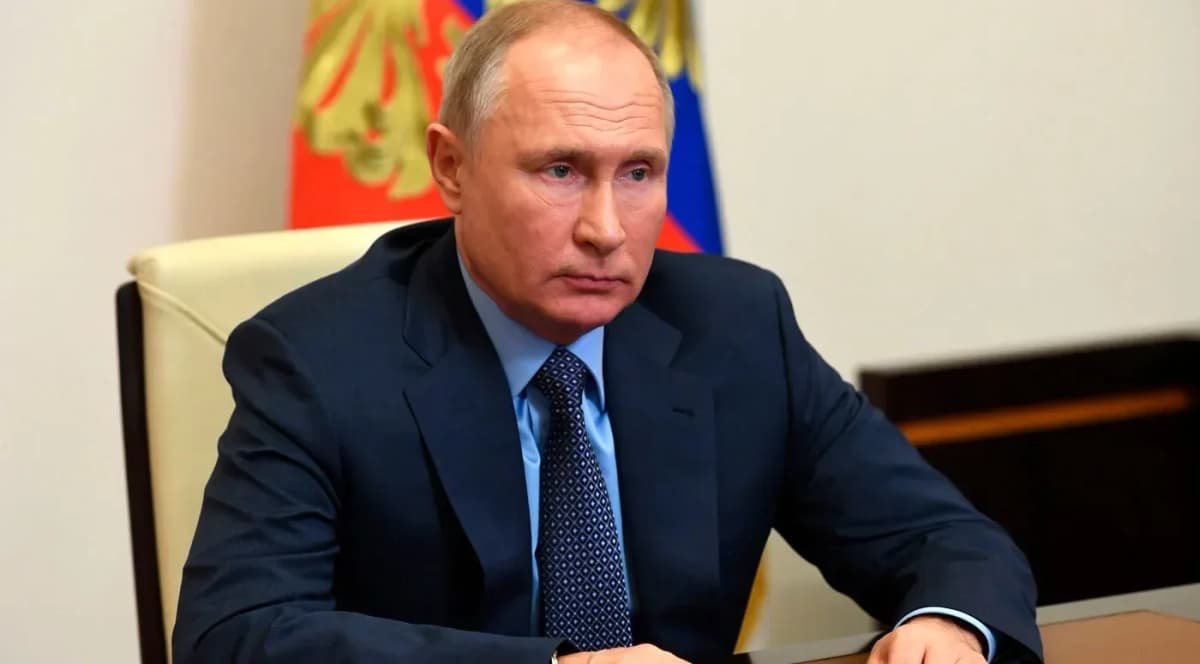
Russian President Vladimir Putin has signed legislation authorizing a new gambling zone in the Republic of Altai, expanding the country's regulated gaming footprint to counter fiscal pressures from the ongoing Ukraine conflict.
The new Altai zone will become Russia's sixth gambling zone and the second within the Siberian region itself. The law will enter into force ten days after its official publication, marking another step in Moscow's strategy to boost regional economies through controlled gambling development.
Strategic Economic Response
The gambling zone authorization comes as Russian authorities seek new revenue streams amid mounting fiscal challenges. The conflict in Ukraine, now in its fifth year, has significantly impacted public finances, driving the government to explore alternative income sources through regulated gaming expansion.
Since 2009, Russia has restricted in-person gambling to designated zones including Kaliningrado, Primorie, and Krasnodar. The Altai addition represents a continuation of this controlled expansion model, designed to attract investment and create employment opportunities in targeted regions.
6
Total Russian gambling zones (including new Altai)
2009
Year Russia restricted gambling to designated zones
5 years
Duration of Ukraine conflict
Online Gaming Debate Intensifies
Parallel to physical zone expansion, Russian regulators are actively debating online casino legalization. The Finance Ministry has proposed implementing a 30% tax on online casino revenues, which could generate approximately 100 billion rubles annually for state coffers.
Current prohibition hasn't eliminated online gambling demand, with official estimates indicating the illegal market processes around 2 billion dollars monthly. This substantial underground activity underscores the potential fiscal benefits of regulatory reform.
Market Reality Check
Russia's existing gambling zones include Kaliningrad (established near European borders for accessibility), Primorye (targeting Asian markets), Krasnodar (serving southern regions), plus Siberian zones in Kemerovo Oblast and now Altai. Each zone operates under strict licensing requirements with designated casino and hotel infrastructure.
Broader Regulatory Implications
The Altai zone approval signals Russia's commitment to expanding controlled gambling opportunities despite international isolation. For operators, this represents potential market entry points, though geopolitical factors continue complicating international participation in Russian gaming markets.
The timing suggests Russian authorities are prioritizing domestic revenue generation through gaming liberalization, potentially accelerating both territorial expansion and online regulatory frameworks.
Warning
Western gaming operators face significant sanctions compliance challenges when considering Russian market entry. Current EU and US sanctions packages specifically target financial transactions with Russian entities, potentially criminalizing participation in newly authorized gambling zones regardless of local licensing.
Russia will have six designated gambling zones total, with Altai becoming the second zone specifically located in the Siberian region.
The Finance Ministry estimates that a 30% tax on online casino revenues could generate approximately 100 billion rubles annually for the state budget.
The legislation enters force ten days after official publication, though actual casino operations will require additional licensing and infrastructure development timelines.
According to AzarPlus.