The Gambling Commission is set to lose one of its most influential figures. Tim Miller, executive director of Policy and Research, will leave the British regulator in September after a 10-year tenure that spanned some of the most consequential reforms in UK gambling regulation.
Miller's departure marks the end of a decade in which he helped reshape the evidence base underpinning the Commission's work. His most prominent achievement was the launch of the Gambling Survey for Great Britain — described as the largest survey of gambling habits of its kind in the world — which gave the regulator an unprecedented empirical foundation for policy development.
Beyond research, Miller played a central operational role in implementing the regulatory reforms flowing from the UK gambling legislation review. Under his stewardship, the Commission introduced changes across several fronts: age verification requirements, financial vulnerability controls, remote game design modifications, and direct marketing restrictions.
Miller's exit follows that of former CEO Andrew Rhodes, who left the Commission earlier this year — raising questions about strategic continuity at a critical regulatory juncture.
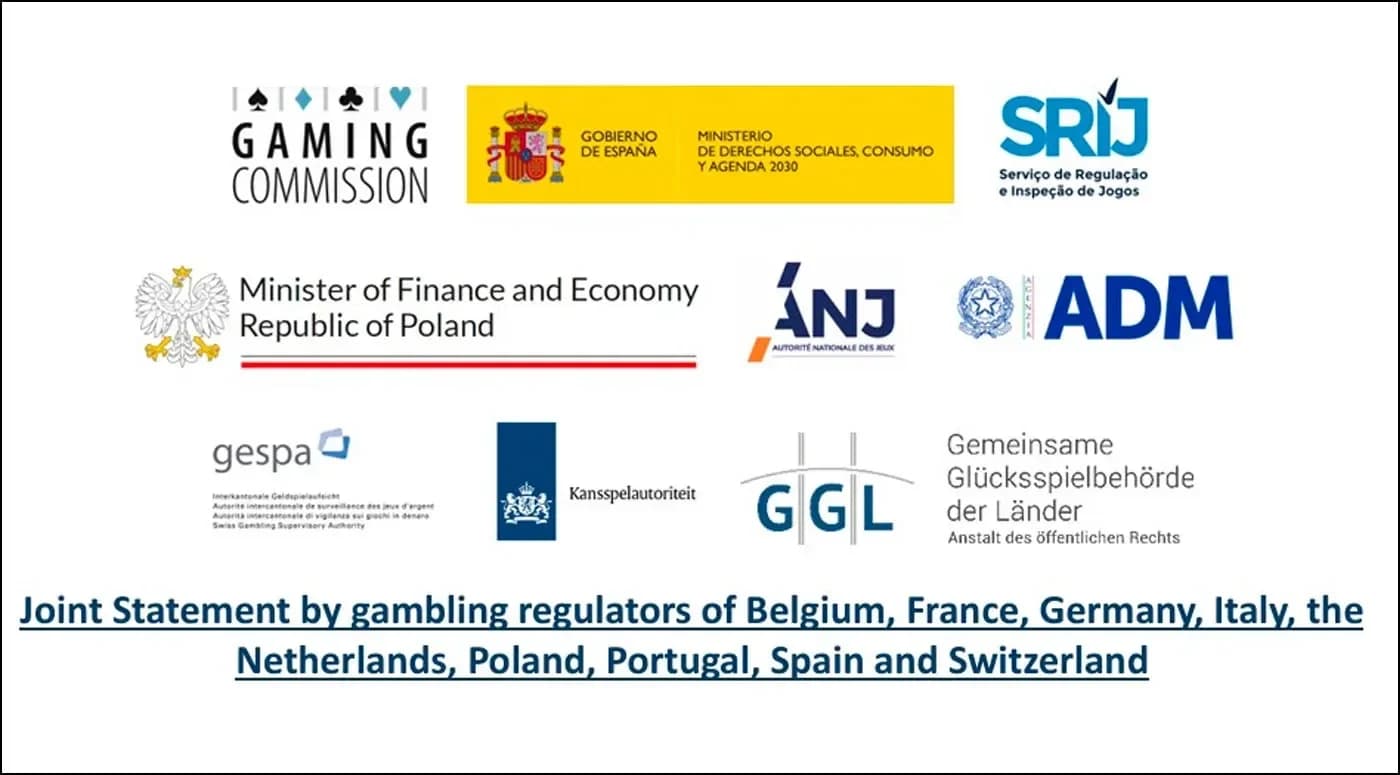
After leaving, Miller intends to advise governments, regulators, and organisations internationally on the development and oversight of gambling regulatory systems — a transition that reflects the growing global demand for expertise in evidence-led regulation. Nine European gambling regulators recently united against unlicensed prediction markets at the World Cup, a signal of how cross-border regulatory coordination is accelerating.
The following table summarises the principal regulatory reforms implemented under Tim Miller's tenure as executive director of Policy and Research, providing compliance teams with a quick reference to the changes the Commission advanced during his decade at the organisation.
| Reform Area | Nature of Change |
|---|---|
| Age Verification | Strengthened requirements to prevent underage gambling |
| Financial Vulnerability Controls | New rules protecting consumers showing signs of financial distress |
| Remote Game Design | Modifications to online game mechanics and presentation standards |
| Direct Marketing Restrictions | Limits on targeted promotional communications to consumers |
| Evidence Base | Launch of the Gambling Survey for Great Britain — largest survey of gambling habits of its kind globally |
These reforms collectively represent one of the most comprehensive overhauls of consumer protection in UK gambling history. Their durability under new leadership will be a key indicator of institutional continuity at the Commission.
What Miller's International Pivot Signals for Operators
Miller's stated intention to advise governments and regulators internationally suggests that the evidence-led policy model developed under his watch at the Gambling Commission — encompassing large-scale consumer surveys, financial vulnerability controls, and game design standards — is increasingly seen as exportable. Operators with multi-jurisdictional licences should anticipate that frameworks piloted in Great Britain may appear in other regulated markets sooner than expected.
"I have worked at the Commission longer than anywhere else in my career and it has been the most rewarding and enriching role I have held. Much of that is down to the incredible, dedicated colleagues I have had the pleasure of working with. That is what made the decision to leave difficult, but after ten years I felt ready for the next challenge."
Interim executive director Sarah Gardner acknowledged his contribution in direct terms.
"Tim has provided exceptional service to the Commission over ten years. I would like to thank him for his significant contribution to gambling regulation and wish him every success in the future."
UK Gambling Regulation Leadership Continuity Under Scrutiny
Miller's exit compounds a pattern of senior departures at the Gambling Commission. Former CEO Andrew Rhodes left the organisation earlier this year, and no permanent chief executive has been announced since. Now, with Miller's responsibilities in policy and research also set to be redistributed, the Commission faces a period of transition across two of its most critical functions simultaneously.
The regulator has confirmed that arrangements to cover Miller's areas will be announced shortly, but has not named a successor. For operators, affiliates, and compliance professionals closely tracking the post-review regulatory environment, the pace at which the Commission restores institutional continuity will matter. The research and policy infrastructure Miller helped build underpins enforcement priorities, consumer protection frameworks, and the evidence base for future rule changes — all areas where operational clarity is essential. The broader challenge of unlicensed gaming operators controlling a dominant share of global market activity makes a well-resourced, fully-staffed regulator more important than ever.
With both the CEO position and the executive director of Policy and Research roles now vacant or in interim status simultaneously, the Gambling Commission faces an unusually broad leadership gap. Operators and affiliates operating in the UK market should treat this period as one of heightened uncertainty: enforcement priorities, research commissioning, and policy signalling may all be subject to revision once permanent leadership is in place. Proactive engagement with published Commission guidance — rather than informal expectation-setting — is advisable during this transition.
The Gambling Commission has confirmed that arrangements to cover Miller's areas will be announced shortly, but has not named a specific successor as of publication. Given that no permanent CEO has been appointed since Andrew Rhodes departed earlier this year, the Commission is navigating two simultaneous leadership gaps across critical functions.
The article does not specify a timeline for ongoing rule changes, but it does note that the research and policy infrastructure Miller helped build underpins enforcement priorities and the evidence base for future regulations. A prolonged transition period without permanent leadership in both the CEO and Policy/Research roles could delay the Commission's capacity to finalise or escalate post-review reforms.
Operators and compliance teams should closely track the Commission's announcements on interim or permanent appointments to the policy and research function, since these roles directly shape consumer protection frameworks, financial vulnerability controls, and direct marketing rules. Any shift in research methodology or enforcement priorities under new leadership could require internal compliance reviews.
The dual vacancy at the top of the Gambling Commission arrives at a moment when the UK regulatory framework is still absorbing the consequences of the gambling legislation review. Miller's legacy — an evidence-led approach anchored in the Gambling Survey for Great Britain — will face its real test once permanent leadership determines whether to build on, modify, or deprioritise the infrastructure he spent a decade constructing. For operators and compliance teams, the interim period demands close attention to published Commission guidance rather than assumptions about policy continuity.
According to AzarPlus.