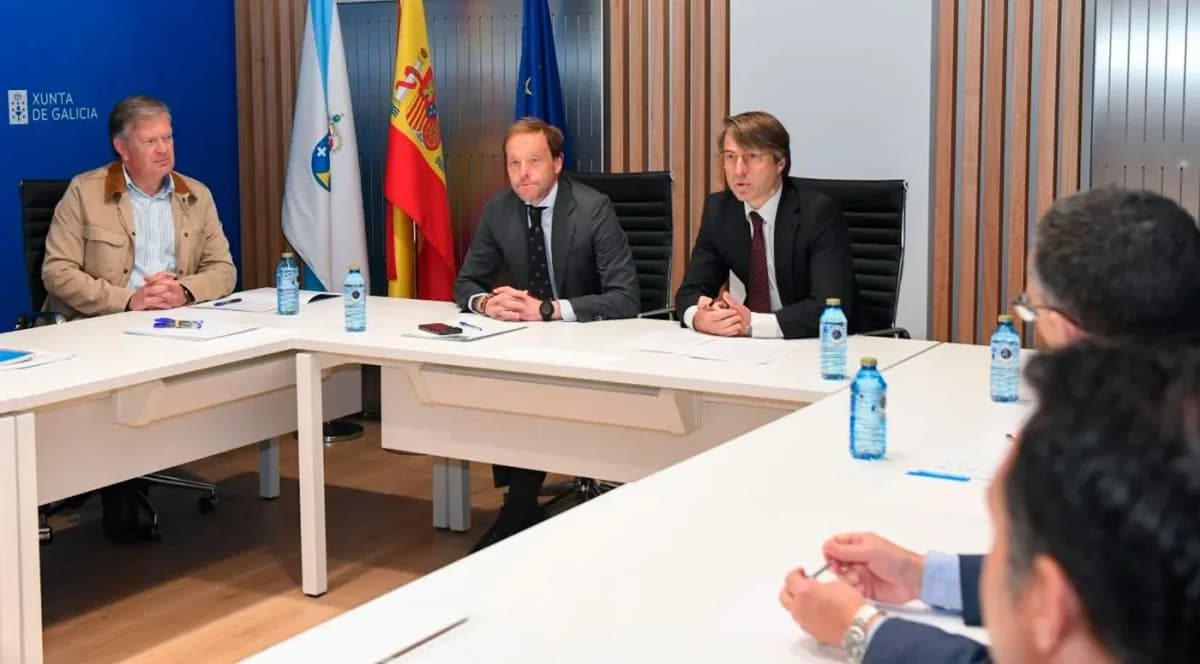
The Xunta de Galicia has convened the constitutive session of the Observatorio Gallego del Juego (Galician Gaming Observatory), marking the official launch of the regulatory body tasked with monitoring gaming policies across the autonomous region.
Miguel Corgos, conselleiro de Facenda e Administración Pública, addressed the inaugural meeting, encouraging members to work collaboratively towards establishing a responsible gaming model that balances regulated activity with protection for vulnerable groups.
Observatory Mandate and Composition
The Observatory will be responsible for the study, evaluation, and monitoring of gaming policies, with the objective of providing objective data that enables public authorities to adapt their actions to identified needs.
The governing body comprises representatives from multiple consellerías with competencies in health, education, youth, sports and finance. Additional members include representatives from the three Galician universities, the gaming sector, addiction prevention associations and parent associations.
Observatory Governance Structure
The Observatory follows a tripartite governance model common in Spanish autonomous regions, where public administration, academic institutions, and civil society organizations share decision-making responsibilities. This structure ensures balanced representation while maintaining independence from direct political influence. Similar observatories in other Spanish regions typically meet quarterly and publish annual reports with policy recommendations.
Functions and Regulatory Context

The Observatory's functions include the elaboration of normative proposals and recommendations, promotion of awareness campaigns, analysis of the gaming situation in Galicia, and collaboration and information exchange with other institutions at national and international level.
Corgos acknowledged that the Observatory's creation is provided for in the Ley del Juego de Galicia, which has faced delays in implementation. The gaming association AGEO has criticized the uncertainty generated by this delay, highlighting sector concerns about regulatory clarity.
This regulatory uncertainty mirrors challenges seen across other Spanish regions, where Valencia Freezes Gaming Licenses, Maintains Machine Ban has created similar concerns about policy predictability for operators.
Strategic Implications for Regional Gaming
The Observatory's establishment signals Galicia's commitment to evidence-based gaming regulation amid ongoing legislative developments. The multi-stakeholder approach, incorporating academic institutions alongside industry and public health representatives, reflects broader European trends towards collaborative gaming governance.
For operators in the region, the Observatory's data-driven mandate suggests future policy adjustments may be more responsive to empirical evidence rather than political considerations, potentially offering greater regulatory predictability once the delayed gaming law takes effect.
The Observatory serves as an advisory body without direct enforcement powers. Its influence comes through policy recommendations to the Xunta de Galicia and data-driven reports that inform legislative decisions.
While the Observatory can begin research and data collection immediately, its formal regulatory recommendations will likely have limited impact until the Ley del Juego de Galicia is fully implemented. The delay creates a gap between advisory capacity and actionable policy framework.
The Observatory will monitor all forms of regulated gaming within Galician jurisdiction, including online gaming licenses, land-based casinos, sports betting, and lottery operations. Cross-border online gaming supervision may require coordination with national authorities.
According to AzarPlus.
Legal Disclaimer
This content reflects a general overview of regulatory frameworks based on publicly available information. It does not constitute legal advice or a legal opinion. iGamingWriter.blog disclaims any liability arising from reliance on this material.