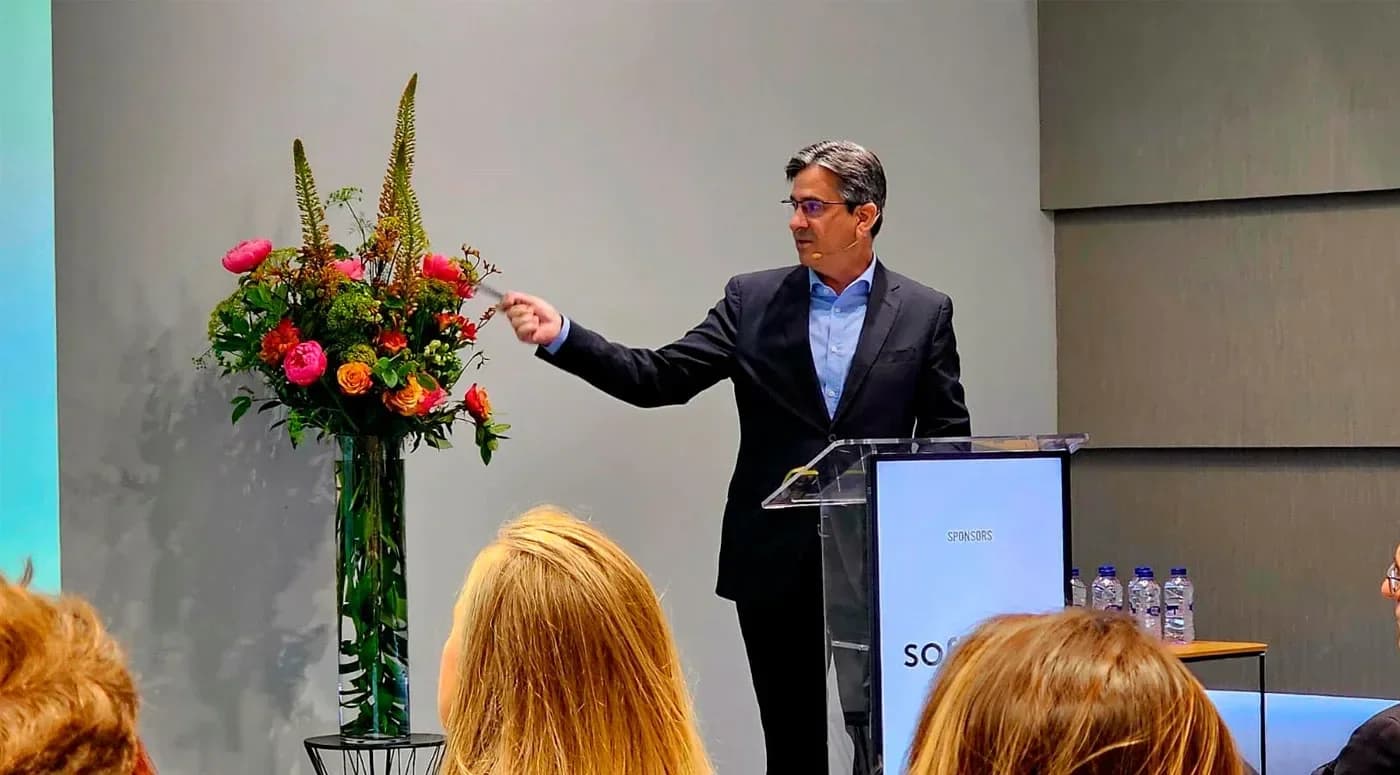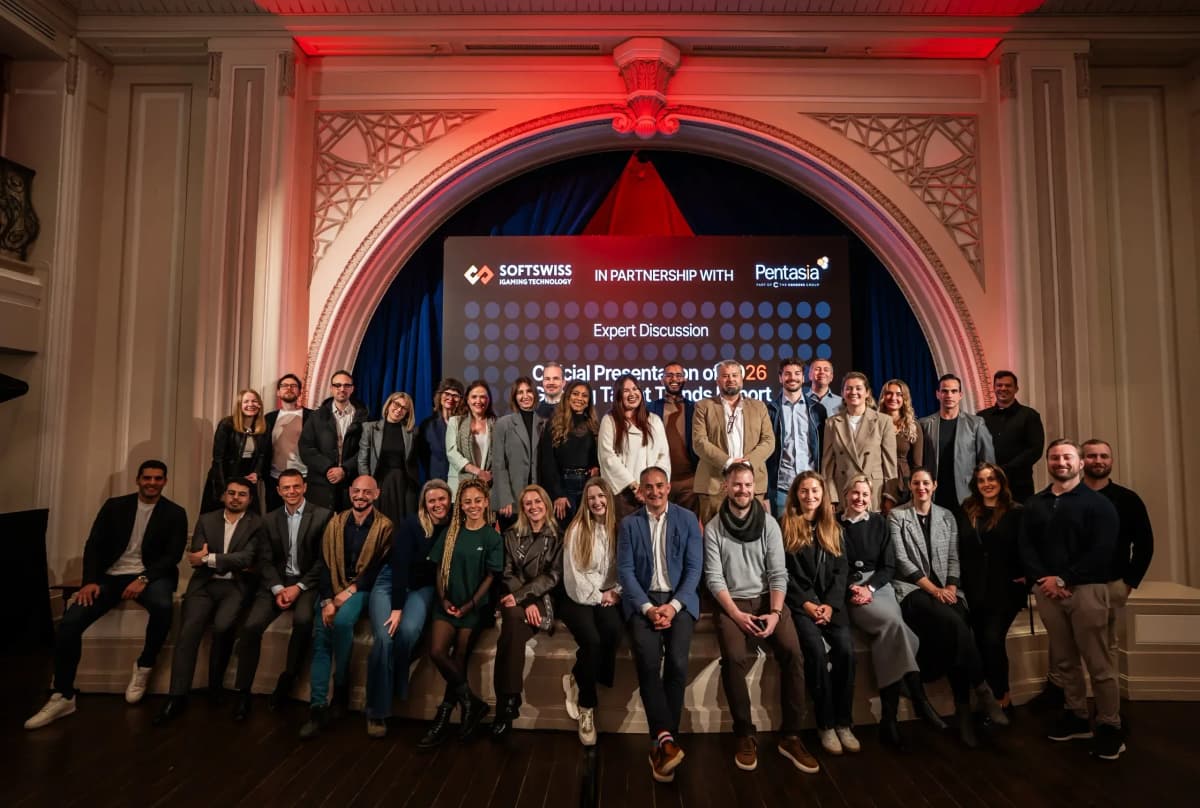
Industry leaders gathered in Malta for a strategic discussion that painted a stark picture of iGaming's evolving talent landscape, where traditional hiring approaches are failing to secure the expertise operators need most.
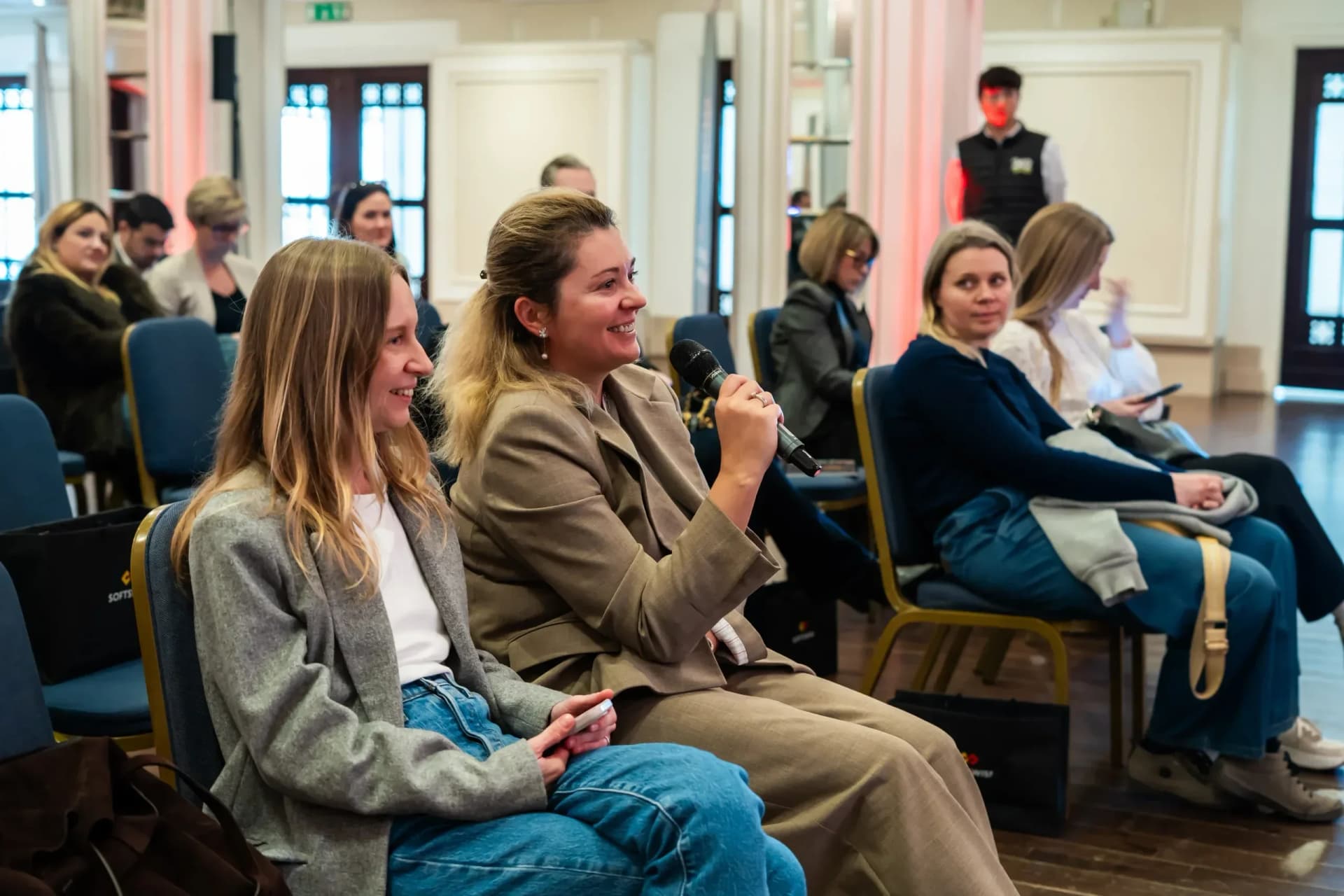
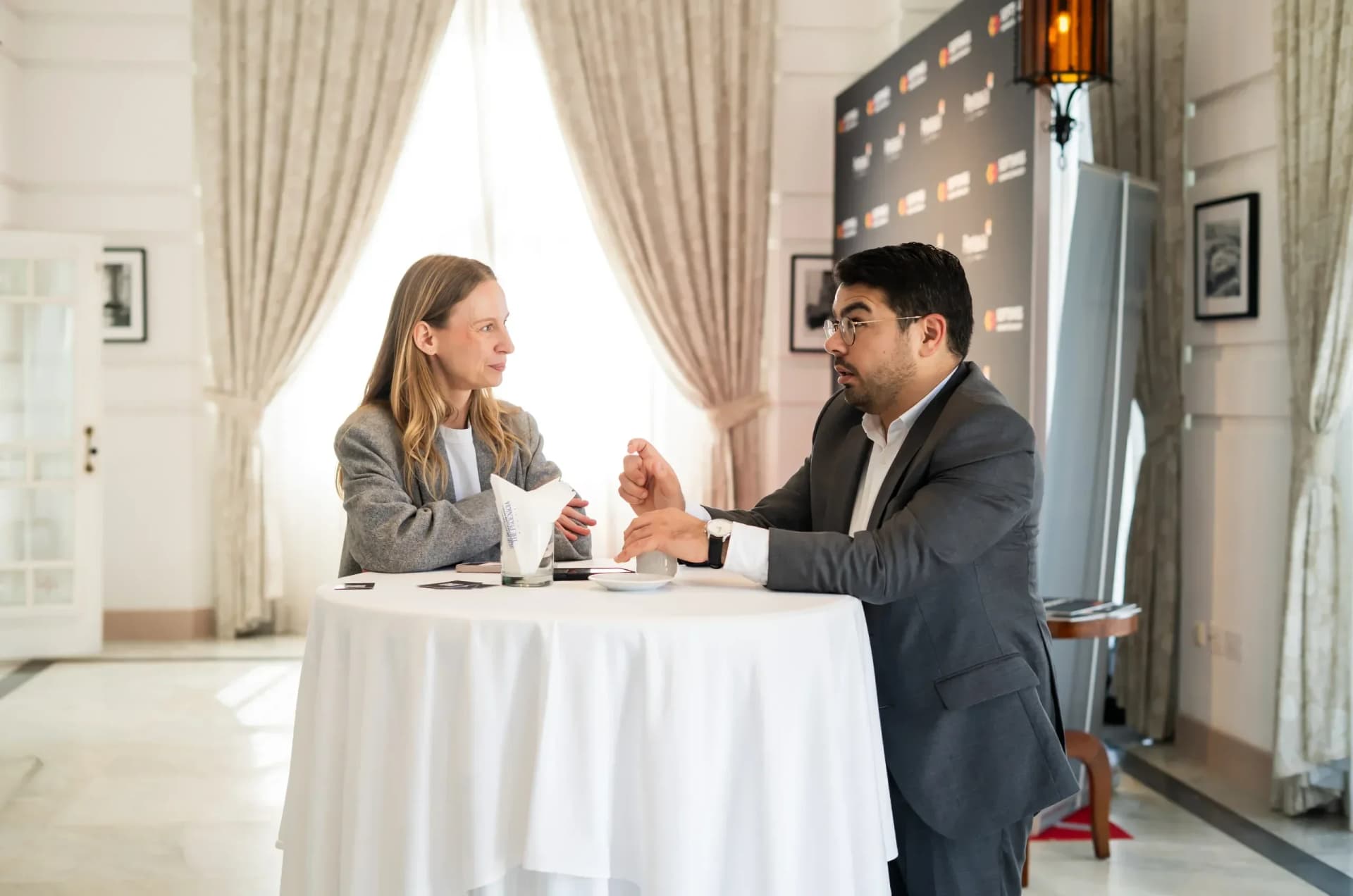
SOFTSWISS and Pentasia, an iGaming recruitment agency, hosted the talent-focused expert event titled "Talent Trends: Expert Discussion" to address mounting recruitment challenges across Europe. The panel presented findings from the recently released 2026 iGaming Talent Trends report, compiled from survey responses from over 90 B2B and B2C industry leaders and enriched with operational data from both organizations.
Digital Stress Tests Replace Traditional Perks
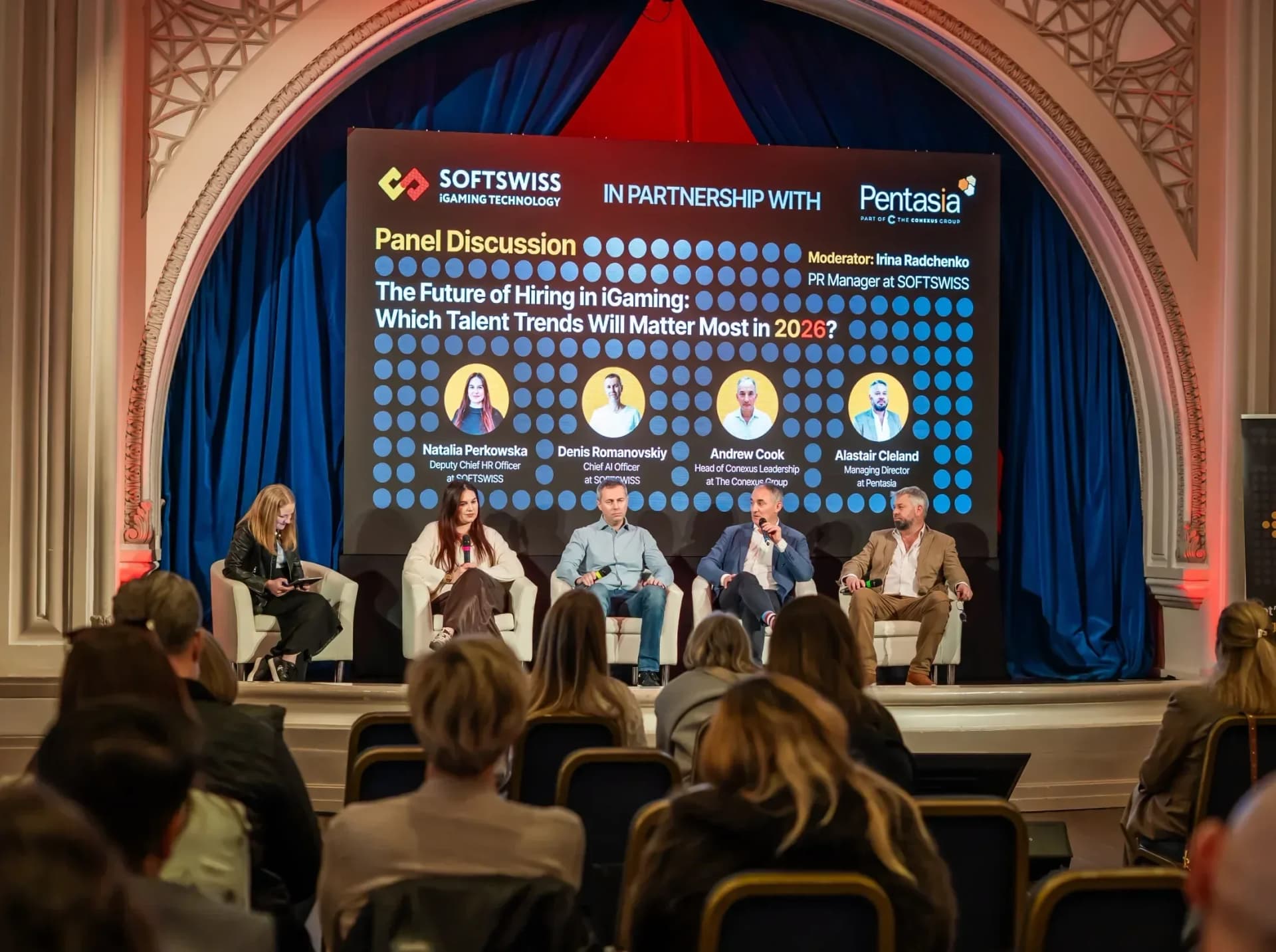
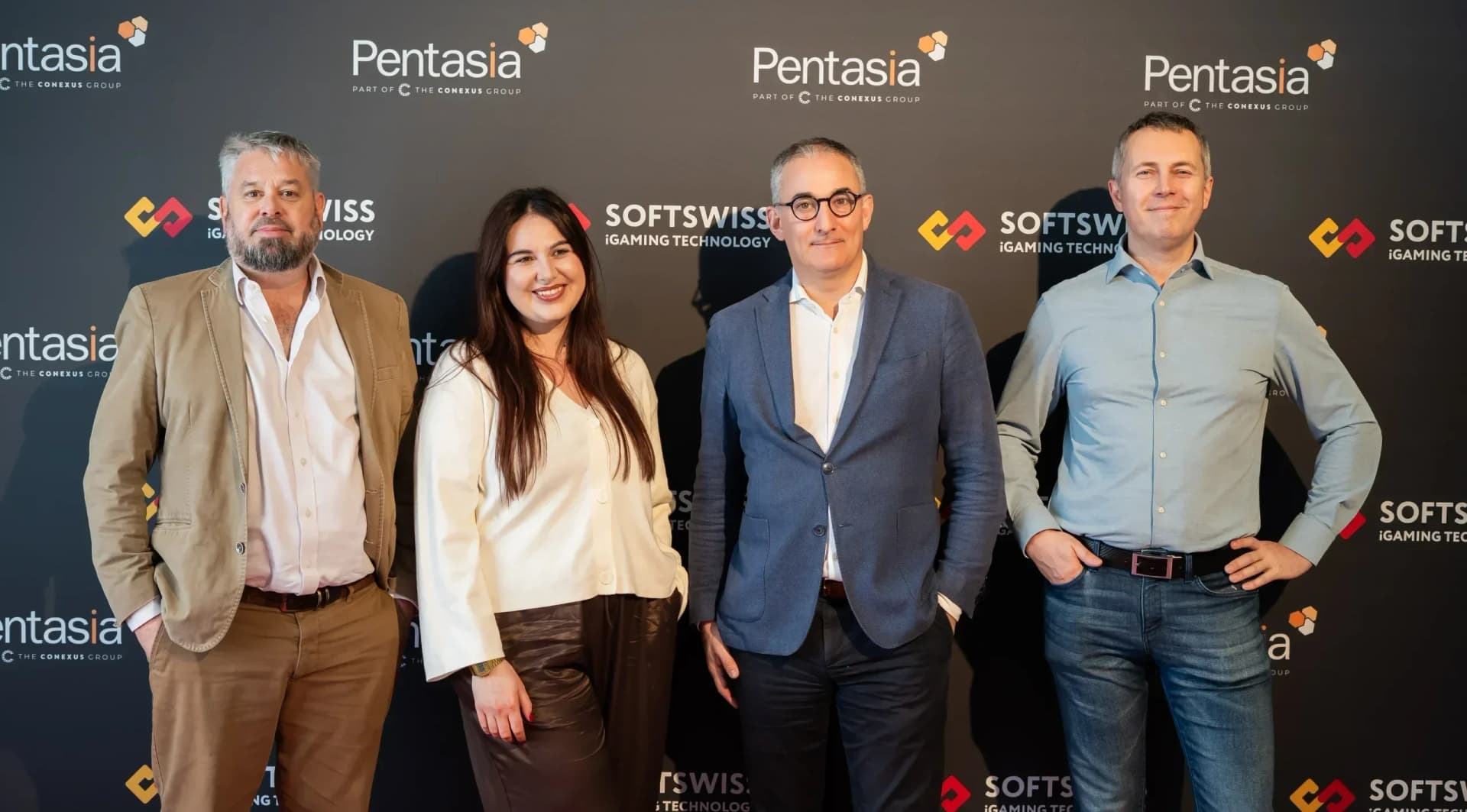
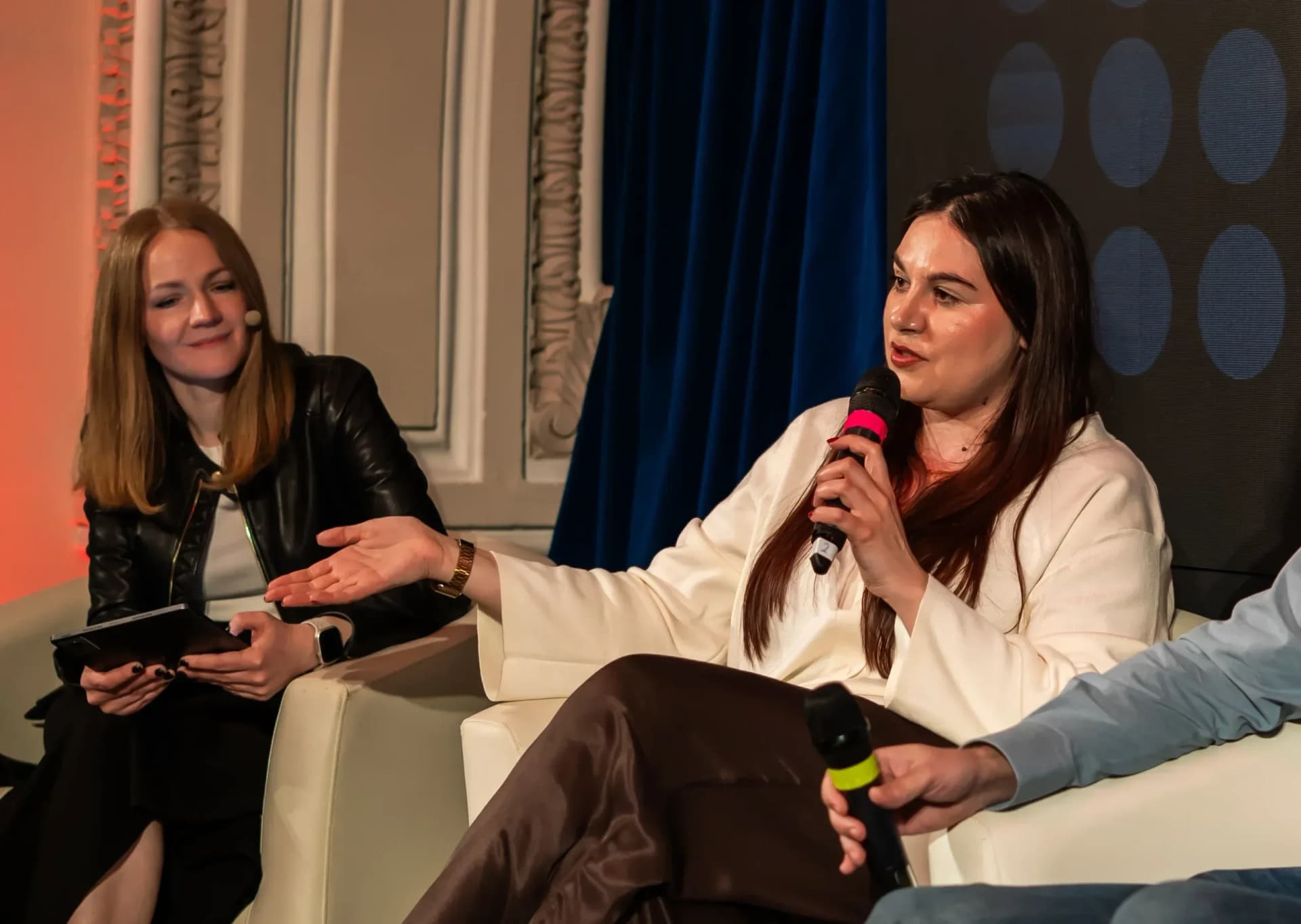
The panel featured Natalia Perkowska, Deputy Chief HR Officer at SOFTSWISS; Denis Romanovskiy, Chief AI Officer at SOFTSWISS; Alastair Cleland, Managing Director at Pentasia; and Andrew Cook, Head of Conexus Leadership at The Conexus Group.
Perkowska outlined how senior professionals now evaluate potential employers through rigorous "digital stress tests," prioritizing product roadmaps and decision-making speed over conventional office benefits. Employer transparency and operational clarity have emerged as decisive factors in offer acceptance.
"The people you actually need are not task executors. They are system architects. When highly experienced professionals read a job description full of repetitive duties, they often see only busywork and move on. The companies that win in the next few years will stop hiring specialists who fit the current process. They will hire people who can design the next process."
— Natalia Perkowska, Deputy Chief HR Officer at SOFTSWISS
Remote-First Strategy Unlocks Global Talent Pools
Pentasia's analysis revealed the mathematical advantage of geographic expansion in hiring. Companies adopting remote-first models can access talent pools roughly 340% larger than those available through local hiring alone, transforming talent acquisition from a regional constraint into a global opportunity.
The most sought-after candidates operate at disciplinary intersections – combining technology with compliance expertise or merging data analysis with fraud prevention capabilities. These hybrid professionals require strategic attraction beyond competitive compensation.
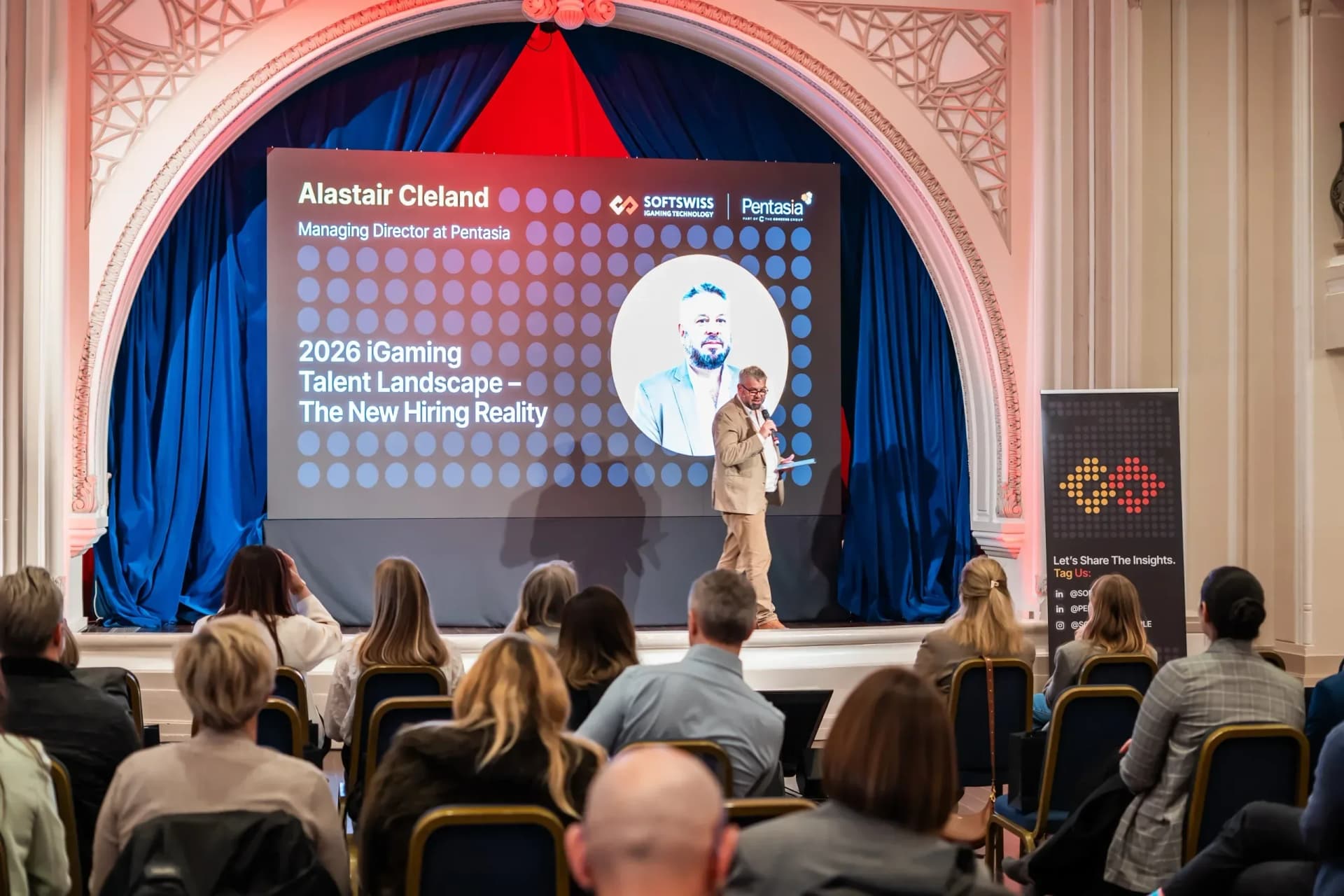
"The companies need to build what we call internal 'Talent Factories'. This means continuously developing skills and creating environments where experts can deliver impact quickly. Because in today's market, the world is not your office. The world is your talent pool."
— Alastair Cleland, Managing Director at Pentasia
340%
Larger talent pools with remote-first hiring
90+
B2B and B2C industry leaders surveyed
AI Literacy Becomes Baseline Requirement
The discussion addressed AI's expanding role in both hiring processes and operational team structures. AI literacy has evolved from an advantage to a baseline expectation, while demand intensifies for specialists capable of supervising and managing AI systems effectively.
Romanovskiy highlighted a concerning trend: reduced junior-level hiring creates potential mid-level talent gaps, challenging long-term expertise development strategies. He noted that exceptional senior candidates often appear similar on paper, complicating genuine differentiation and cultural fit assessment.
The New Hiring Reality
Companies are shifting focus from hiring specialists who fit current processes to recruiting system architects who can design next-generation workflows. This fundamental change in approach reflects the industry's need for transformational rather than transactional talent.
Extending the Conversation
Following the Malta event, SOFTSWISS and Pentasia will continue the strategic dialogue online. A LinkedIn Live panel titled "Stop Losing Talent: 7 Smart Steps for Hiring in 2026" is scheduled for 20 March at 13:00 CEST, with registration currently open.
The 2026 iGaming Talent Trends report, offering practical frameworks for building effective teams within complex regulatory environments, is available for free download on the SOFTSWISS website.
Building Internal Talent Factories
Create environments where experts can deliver impact quickly by continuously developing skills and establishing clear pathways for professional growth. The most successful companies treat talent development as an ongoing strategic initiative rather than a one-time recruitment effort.
Strategic Implications for Operator Leadership
The Malta findings signal a fundamental shift in how iGaming companies must approach talent acquisition and retention. The convergence of remote hiring capabilities, AI integration demands, and evolving candidate expectations creates both opportunity and risk for operators.
Companies maintaining traditional, location-bound hiring practices face systematic disadvantage in accessing the specialized expertise required for regulatory compliance and technological advancement. The emphasis on "system architects" over "task executors" suggests operators must restructure job descriptions and evaluation criteria to attract transformational rather than transactional talent.
The identified junior-to-mid-level talent pipeline gap presents a strategic planning challenge requiring immediate attention to avoid future expertise shortages in critical operational areas.
Digital stress tests are how senior professionals evaluate potential employers by examining product roadmaps and decision-making speed rather than traditional office benefits. Employer transparency and operational clarity have become decisive factors in offer acceptance.
AI literacy has evolved from an advantage to a fundamental expectation as AI systems become integral to operations. The industry now demands specialists capable of supervising and managing AI systems effectively, not just using them.
Companies maintaining location-bound hiring practices face systematic disadvantage in accessing specialized expertise required for regulatory compliance and technological advancement. They also risk creating talent pipeline gaps, particularly at junior-to-mid levels.
According to SOFTSWISS.