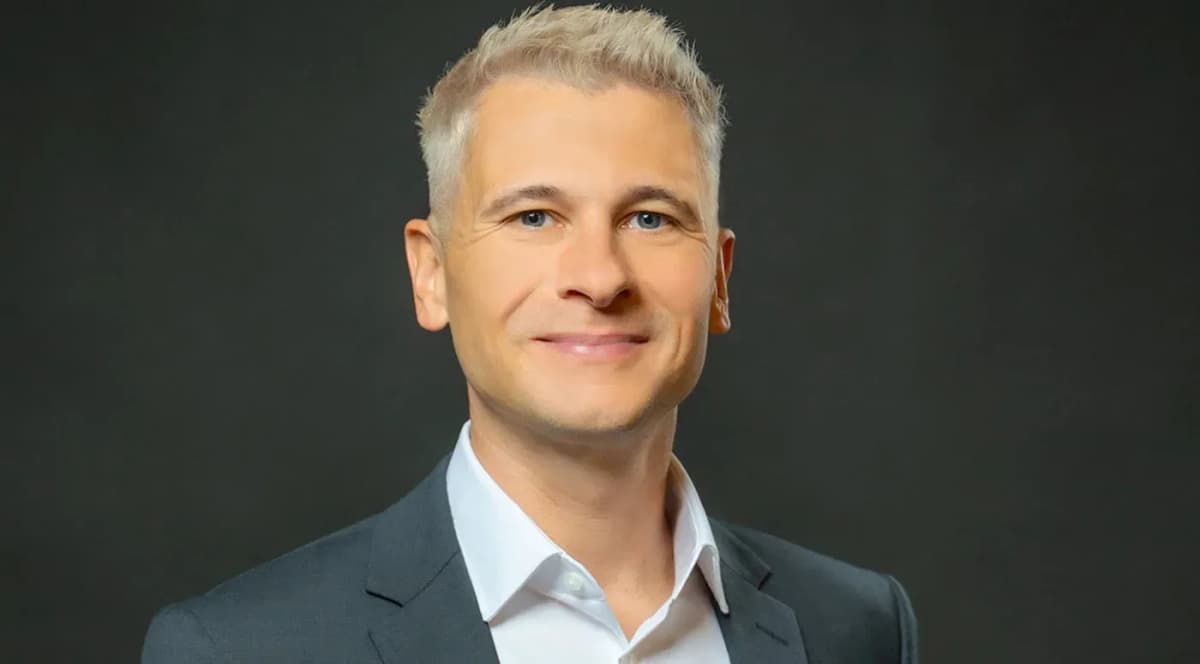
Merkur Group has brought back a familiar face to lead a newly created function at the heart of its regulatory strategy. Bastian Scholz, a political scientist with deep roots in German gaming regulation, rejoined the company on 1 July as Head of Public Affairs — a role designed to sharpen the group's engagement with policymakers, regulators, and wider stakeholders.
A Returning Specialist for a New Strategic Brief
Scholz is no newcomer to Merkur. Between 2022 and 2025 he served as Senior Manager Public Affairs at the group, before taking a deliberate career break to travel the world — a period the company describes as dedicated to personal reflection and professional development. His return marks an elevation in scope.
In his new capacity, Scholz will act as the primary bridge between Merkur Group and an array of institutional actors: public administrations, elected officials, industry associations, academic institutions, and civil society organisations. He reports directly to Manfred Stoffers, Vice President and Deputy Spokesman of Merkur Group's Board of Directors, and will work alongside Senior Managers Public Affairs Christopher Denda and Jan Meisetschläger in Berlin.
Born in the German city of Marl and a Berlin resident for more than two decades, Scholz holds a doctorate in Political Science. His earlier career spanned the German Bundestag, the Asociación Alemana de Apuestas Deportivas (German Sports Betting Association), higher education, and adult political training — a profile that combines legislative experience with sector-specific regulatory knowledge.
The Institutional Case for Merkur's Public Affairs Strategy
The following table maps Bastian Scholz's career milestones, illustrating how his background spans legislative, academic, and industry-specific regulatory environments before and during his time at Merkur Group.
| Period | Role / Organisation | Relevance |
|---|---|---|
| Pre-Merkur | German Bundestag | Legislative process and political networks |
| Pre-Merkur | Asociación Alemana de Apuestas Deportivas | Sector-specific sports betting regulation |
| Pre-Merkur | Higher education & adult political training | Academic policy research and civic engagement |
| 2022 – 2025 | Senior Manager Public Affairs, Merkur Group | First tenure; institutional relationship building |
| 2025 (career break) | Personal travel and development | Reflective period before strategic return |
| 1 July 2025 | Head of Public Affairs, Merkur Group | Elevated role; direct board-level reporting |
2022 – 2025
Scholz's first tenure at Merkur Group as Senior Manager Public Affairs
1 July 2025
Official start date of Scholz's new role as Head of Public Affairs
20+ years
Duration of Scholz's residency in Berlin, the centre of German federal policymaking
Merkur Group's Public Affairs Structure
Merkur Group is headquartered in the Ostwestfalen region of Germany and operates across multiple regulated gaming verticals. The Berlin office, where Scholz and his colleagues Christopher Denda and Jan Meisetschläger are based, functions as the group's primary political liaison hub — positioned deliberately in the German capital to maintain direct proximity to federal legislators and regulatory bodies.
Stoffers framed Scholz's return as significant not just for Merkur but for the broader German gaming industry, citing the continued expansion of the black market as the strategic backdrop.
"The return of Dr. Scholz to Merkur Group is excellent news for our company, but also for the entire gaming industry. Thanks to his empathy, solid political values, and strategic vision, he will make a decisive contribution to reinforcing responsible gaming through a legal and serious offer against the black market, which continues to expand both nationally and internationally."
Scholz himself offered a grounded perspective on where Merkur's identity is rooted — and where the decisions that shape its future are actually made.
"Merkur Group, as a traditional company deeply connected to its land, generates value and identity in the Ostwestfalen region. Whoever, like me, has been able to see that reality up close, knows how valuable and irreplaceable Merkur is for the region."
"However, the fundamental political decisions for the company's economic future are made far from there — in Berlin, in the capitals of the federal states, or abroad. I am excited to represent directly, from those decision-making centres, the interests of responsible gaming, balanced regulation, and the sound future development of Merkur Group and its employees, clients, and partners."
When a licensed operator elevates public affairs to board-reporting level and frames it explicitly around black market containment, it is making a political argument as much as an organisational one — signalling that regulatory credibility is now a competitive asset.
Germany's Black Market Problem in Context
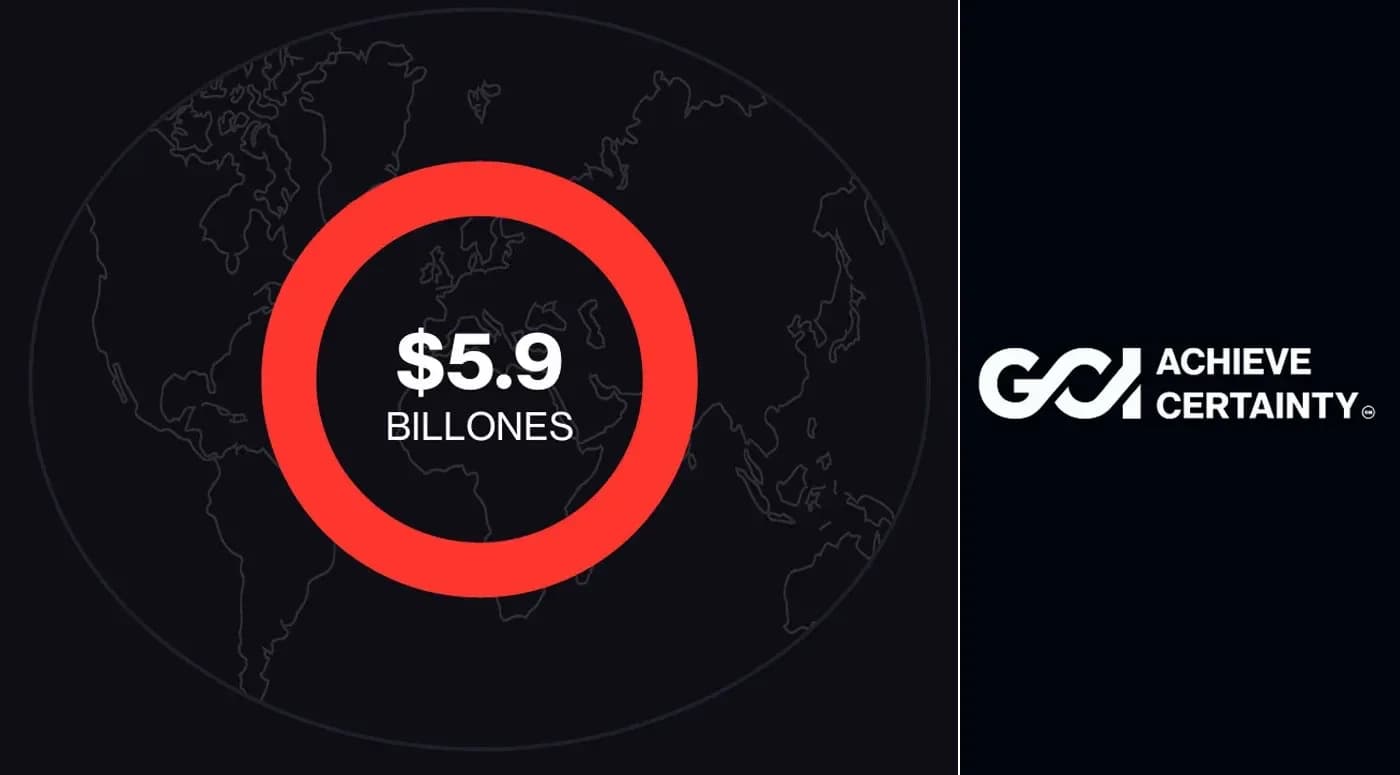
Germany's Fourth Interstate Treaty on Gambling (Glücksspielstaatsvertrag 2021) was designed to channel players into a licensed ecosystem, but enforcement against unlicensed offshore operators remains structurally limited. Independent estimates have placed the share of gross gaming revenue captured by unlicensed operators in Germany at roughly 50% or more in some segments — a persistent leak that licensed operators like Merkur argue undermines both consumer protection and tax revenue. The scale of the unlicensed segment mirrors a global pattern: analysis of the broader market shows that unlicensed gaming operators control 78% of the $5.9 trillion market, underlining why licensed operators are intensifying their political engagement.
Strategic Signals for the German iGaming Market
The creation of a dedicated Head of Public Affairs role — rather than expanding an existing remit — signals that Merkur Group views institutional engagement as a distinct strategic discipline, not a secondary function. With Scholz reporting directly to board level, the message to regulators and policymakers is clear: this is a priority channel, not a peripheral one.
The explicit reference to black market expansion is equally telling. German gaming regulation has faced persistent criticism over enforcement gaps, and operators in the licensed segment increasingly frame compliant gambling as the answer to — rather than the cause of — consumer harm. Scholz's task will be to translate that argument into durable political relationships at federal and state level, precisely where the regulatory frameworks that govern the industry are being written and revised. The Copenhagen Group's new roadmap to combat illegal gambling reflects how seriously European regulators are now treating this challenge — the political environment Scholz is stepping into is both active and contested.
Warning
Germany's gaming regulation is split between federal oversight and 16 individual Länder (state) jurisdictions, meaning that a single operator may need to maintain active relationships with multiple state-level gambling authorities simultaneously. Scholz's explicit reference to 'the capitals of the federal states' as decision-making centres reflects this structural reality: national lobbying alone is insufficient — effective public affairs in Germany requires parallel engagement at state level, where licensing conditions, enforcement priorities, and land-based gaming rules can vary significantly.
What Board-Level Public Affairs Reporting Signals to Regulators
In European regulated gaming markets, the seniority of a company's government relations function is frequently read by regulators as an indicator of compliance culture. When a Head of Public Affairs reports directly to board level rather than through legal or communications departments, it typically signals that the operator intends to engage proactively on policy formation — not merely respond to licensing requirements. Industry observers in markets such as the Netherlands and Sweden have noted that operators who embed this structure early tend to fare better during licence renewal and regulatory review cycles.
According to AzarPlus.