Romania's iGaming sector represents one of Eastern Europe's most structured regulatory environments, combining market accessibility with stringent compliance requirements. Unlike jurisdictions that favour exclusive licensing or protectionist frameworks, Romania operates a criteria-based system where any EU-registered company can enter – provided they meet the National Gambling Office (ONJN)'s technical and legal standards.
The market opportunity is substantial. With nearly 19 million residents and robust digital infrastructure, Romania generated €752.8 million in online gambling revenue by 2024, with forecasts projecting growth to just under €1 billion by 2029 at a 5.6% compound annual growth rate.
Regulatory Foundation and Market Maturity
Romania's gambling regulatory architecture was established in 2009, with technical provisions formalised in 2016. The framework has evolved significantly through policy refinements between 2022 and 2024, introducing stricter controls, revised fiscal instruments, and expanded compliance obligations for both B2C and B2B stakeholders.
The market reached a turning point in 2021 when UEFA Euro 2021 catalysed a 90% surge in online gambling activity. Rather than proving temporary, this spike established sustained growth momentum that continues today.
The regulatory approach emphasises transparency and controlled access. Foreign licences from any jurisdiction are not recognised – operators must obtain local authorisation regardless of their existing regulatory approvals elsewhere. The ONJN maintains a public blacklist of unauthorised gambling websites and collaborates with internet service providers to block illegal operations.
Important
Operating without an ONJN licence constitutes a criminal offence under Romanian law, potentially resulting in fines, imprisonment, and asset confiscation.
19 million
Romania's population
€752.8 million
Online gambling revenue (2024)
€1 billion
Projected revenue (2029)
5.6%
Compound annual growth rate
90%
Online gambling surge during Euro 2021
Market Segmentation and Player Preferences

Romania's online gambling landscape shows distinct vertical preferences that operators must understand for effective market entry.
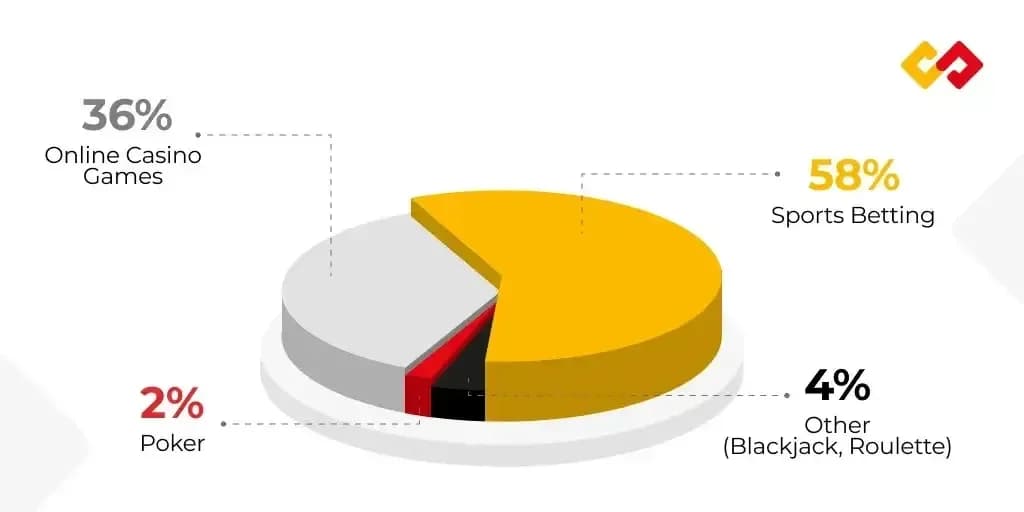
Sports betting dominates with approximately 58% of the online gambling market in 2025. Football drives significant activity, but Romanian bettors also engage heavily with tennis, rugby, and gymnastics. The SOFTSWISS Sportsbook, certified for Romanian use, provides full ONJN compliance, live betting functionality, and local payment integration.
Online casino games comprise around 36% of the market, with Romanian players showing strong preference for classic-style slots. Fruit-themed and retro-style games mirror familiar land-based machines, making them strategic choices for operators seeking player loyalty and engagement.
Poker maintains a stable but niche 2% market share, while live casino formats – blackjack, roulette, and game shows – demonstrate steady growth momentum.
Player Demographics and Behaviour Patterns
In 2025, approximately 2.4 million Romanians gamble at least once annually, with 1.5 million participating online. Weekly engagement reaches 8% of the adult population. The most active demographic consists of urban men aged 18-24, typically single, with average monthly household income around €562.
Mobile platforms drive current growth trends, with desktop usage declining in favour of betting apps offering faster access and cleaner interfaces. Romania's digital evolution pushes players toward mobile-first experiences that provide seamless, location-independent access.
Licensing Framework and Requirements
Romania operates three distinct licence categories, each serving specific market functions:
| Licence Type | Purpose | Target Audience | Annual Fee |
|---|---|---|---|
| Class I (Operator) | B2C gambling services | Online casinos, sportsbooks | €300,000 |
| Class II (Supplier) | B2B services and infrastructure | Software providers, PSPs, affiliates | €20,000 |
| Class III (Lottery) | State monopoly | Romanian National Lottery only | N/A |
Both Class I and Class II licences remain valid for 10 years but require annual renewals and fee payments. The lottery sector remains exclusively operated by the Romanian National Lottery under Class III licensing.
By 2025, more than 30 B2C operators held active licences, demonstrating the market's accessibility for compliant entities.
Eligibility and Application Process
Licence eligibility begins with geographic requirements. Companies must be registered within the European Union, European Economic Area, or Switzerland. Entities outside these jurisdictions cannot apply under Romanian law.
Foreign operators need local tax presence through either a Romanian subsidiary or fiscal representative. This ensures regulatory visibility and tax compliance.
Additional eligibility standards include:
- Clean criminal records for key personnel
- Demonstrated financial stability
- Complete technical documentation
- Background checks and financial disclosures
- Certification from ONJN-approved testing laboratories
- Approved software infrastructure
The application process typically takes 2-4 months, though timeline accuracy depends heavily on documentation completeness and precision. Local regulatory expertise often accelerates the process significantly.
Warning
Companies registered outside the EU, EEA, or Switzerland are completely barred from Romanian licensing. This geographic restriction is absolute – no exceptions exist regardless of financial capability or technical compliance.
Financial Requirements and Ongoing Costs
Romanian iGaming entry involves substantial financial commitments beyond initial licensing fees:
Initial Setup Costs
| Cost Component | Amount | Details |
|---|---|---|
| Documentation analysis | €3,500 | One-time application review fee |
| Licence issuance | €10,500 | One-time licence grant fee |
Annual Operating Expenses
Financial Guarantees (Effective 2025)
Starting in 2025, operators must maintain substantial bank guarantees:
- €2,000,000 minimum for betting operators
- €5,000,000 minimum for casino operators
These guarantees ensure financial stability and player fund protection, representing significant capital requirements for market entry.
Capital Impact Assessment
The 2025 financial guarantee requirements represent substantial capital commitments: €2 million for betting operators and €5 million for casino operators. These guarantees are in addition to licensing fees and must remain locked in approved banks throughout the licence period.
Technical Compliance Infrastructure
Romania's regulatory model demands comprehensive technical compliance across multiple operational layers.
Local Server Requirements
All gambling data must remain accessible to ONJN in real-time through mirror servers located within Romania. These servers must replicate:
- Game logs and RNG output
- Betting records and transaction histories
- Complete financial data
Even EU-based core infrastructure requires local mirroring for continuous compliance and audit readiness.
Approved Supplier Networks
Romania operates perhaps the most stringent supplier approval system in European iGaming. Operators must exclusively use ONJN-licensed partners across all business functions – platforms, hosting, payment processing, game studios, RNG providers, and affiliate networks.
Global recognition provides no exemption. International testing laboratories like GLI, eCOGRA, and iTech Labs must obtain Romanian Class II licences before their certifications gain validity.
The SOFTSWISS Casino Platform, Game Aggregator, and Sportsbook maintain full ONJN Class II certification, ensuring regulatory compliance for operators.
Tip
Always verify supplier status through the official ONJN registry before establishing partnerships. Non-compliant supplier relationships can disqualify licence applications or result in operational sanctions.
Player Protection and Compliance Systems
Romanian compliance operates through integrated control layers addressing identity verification, financial monitoring, and harm prevention.
Know Your Customer (KYC) Framework
KYC requirements establish the compliance foundation:
- Identity and age verification during registration and before withdrawals
- Encrypted document upload and secure storage systems
- Account restrictions for unverified players
- Prevention of duplicate registrations (one player, one account)
Anti-Money Laundering (AML) Monitoring
AML obligations extend beyond initial verification into ongoing behavioural analysis:
- Continuous player activity monitoring with dynamic risk classification
- Detection of suspicious patterns including unusual deposits, volatile wagering, or profile-inconsistent activity
- Source-of-funds verification for concerning transactions
- Real-time anomaly detection using predetermined thresholds
- Suspicious Activity Report (SAR) filing with Romania's Financial Intelligence Unit
- Documented AML policies with designated compliance officers
Responsible Gambling (RG) Measures
RG requirements parallel AML obligations under similar frameworks in scope and enforceability:
- Configurable deposit limits (daily, weekly, monthly)
- Self-exclusion mechanisms (temporary and permanent)
- In-session messaging for time and spending awareness
- Direct links to certified national addiction support services
Security and Fair Play Standards
Technical security requirements ensure system integrity and auditability:
- Encryption of all sensitive player data
- Protected infrastructure with secured servers for sensitive information storage
- Anti-fraud and anti-collusion systems, particularly for peer-to-peer games like poker
- Game monitoring frameworks validating RNG output and payout calculations
- Provably fair technologies for independent outcome verification
Payment Systems and Financial Compliance
Romania's payment landscape reflects hybrid global-local dynamics, requiring licensed processing infrastructure and RON-denominated operations.
Licensed Payment Service Providers
Operators must use exclusively Class II ONJN-licensed Payment Service Providers (PSPs) for all transactions. Licensed providers include Nuvei, SafeCharge, Paysafe, and Worldpay.
Accepted Payment Methods
Popular payment options span international and domestic solutions:
International Cards and EWallets:
- Visa and MasterCard for deposits and withdrawals via licensed PSPs
- Skrill and Neteller with fast processing through approved processors
- PayPal technically permitted but rarely integrated due to selective onboarding
- Paysafecard for cash-preferred users via Class II-certified voucher providers
- Bank transfers for high-value transactions, particularly to Romanian IBAN accounts
Local Financial Solutions: Romanian providers like MobilPay, SmartPay, and Rapid Transfer offer RON-native services and enhanced domestic player trust.
Currency and Segregation Requirements
All player funds must be held in segregated bank accounts denominated in RON. Even deposits made in EUR or USD through eWallets must be converted and stored in RON for operational compliance.
Pros
- RON denomination provides currency stability for local operations
- Segregated accounts ensure complete player fund protection
- Eliminates foreign exchange risk for Romanian players
Cons
- Currency conversion costs reduce operator margins
- Complex treasury management for multi-currency operators
- Limited flexibility for international payment processing
Cryptocurrency Restrictions
As of 2025, cryptocurrency remains prohibited for gambling payments under Romanian law. The ONJN prohibits:
- Bitcoin, Ethereum, and stablecoin deposits or withdrawals
- Platform-integrated crypto wallets
- Conversion services within gambling platforms
- Promotional messaging regarding crypto payment options
Off-platform crypto-to-fiat exchanges are tolerated only when fully external to the operator, with fiat deposits processed through licensed PSPs, and without operator facilitation or advertising of conversion services.
Marketing and Affiliate Compliance
Marketing remains legal within Romania's regulated framework, subject to ONJN compliance requirements and responsible gambling standards.
Affiliate Partnership Requirements
All affiliates promoting gambling products must hold ONJN Class II licences. Operators bear liability for affiliate conduct, making partner vetting and compliance monitoring essential.
Romanian affiliate programs typically operate through three commission structures:
- Revenue share (25-40% typical range)
- Cost Per Acquisition (CPA)
- Hybrid combinations
Platforms like Affilka by SOFTSWISS facilitate tracking, tiered commissions, reporting, and partner segmentation for compliant affiliate management.
Digital Advertising Compliance
Search Engine Optimisation: Romanian players search in native language, requiring localised content around keywords like "legal online casino," bonuses, and free spins.
Google Ads: Permits gambling promotion with Google certification and valid ONJN licensing. Advertisements must target verified adults (18+), include responsible gambling disclaimers, and avoid misleading incentives.
Social Media: Facebook and Instagram allow gambling advertisements under similar restrictions, though account verification requirements often create approval challenges.
Localisation Strategy
Romanian players respond strongly to culturally relevant promotions:
- Matched deposit bonuses with transparent rollover terms
- Free spins on fruit-themed or retro-style slots
- Free bets linked to football or tennis events
- Campaigns incorporating national holidays and local sporting events
All marketing materials require GDPR compliance with clearly visible responsible gambling tools.
Romania's iGaming success depends on precision rather than approximation – the regulatory framework operates on demonstrable compliance, not stated intentions.
Strategic Market Entry Considerations
Romania's iGaming opportunity demands comprehensive preparation across legal, technical, and operational dimensions. Success depends on precision rather than approximation – the regulatory framework operates on demonstrable compliance, not stated intentions.
The market rewards thorough preparation with significant advantages: access to a mobile-first, digitally connected player base; a transparent, stable licensing environment; and participation in a market approaching €1 billion by decade's end.
For operators considering Romanian market entry, the foundation determines long-term viability. Regulatory alignment, technical infrastructure, and compliance systems must be established before launch rather than developed iteratively. Romania values structure, security, and sustained operational trust – characteristics that become competitive advantages for properly prepared operators.
The licensing system's criteria-based approach creates genuine market accessibility for compliant entities while maintaining high barriers against non-compliant competitors. This dynamic protects legitimate operators' investments while ensuring sustainable market growth within a well-regulated framework.
The operator must immediately cease using that supplier's services to maintain compliance. The article does not specify transition periods, but operators should establish backup supplier relationships to prevent operational disruption.
All operators must meet the new €2-5 million guarantee thresholds regardless of when they originally obtained licensing. The source does not indicate grandfathering provisions for pre-2025 licence holders.
No, all affiliates promoting gambling products must hold ONJN Class II licences. Operators bear liability for affiliate conduct, making unlicensed affiliate partnerships a compliance violation that could jeopardise the operator's licence.
With annual fees reaching €300,000 plus 21% GGR tax and €500,000 responsible gambling contributions, operators should monitor gross gaming revenue per active player and customer acquisition costs. The source suggests focusing on player lifetime value given the substantial fixed cost structure.
Operators must maintain complete data replication within Romania even if core infrastructure operates from other EU jurisdictions. This creates additional hosting, maintenance, and technical compliance costs not present in passport-based regulatory regimes, though specific cost impacts are not quantified in the source.
According to SOFTSWISS.