Loading...
The Gambling Regulatory Authority of Ireland launches unified regulatory framework, replacing fragmented system with comprehensive oversight across gambling sectors.

Mar 5, 2026 · 13 min read
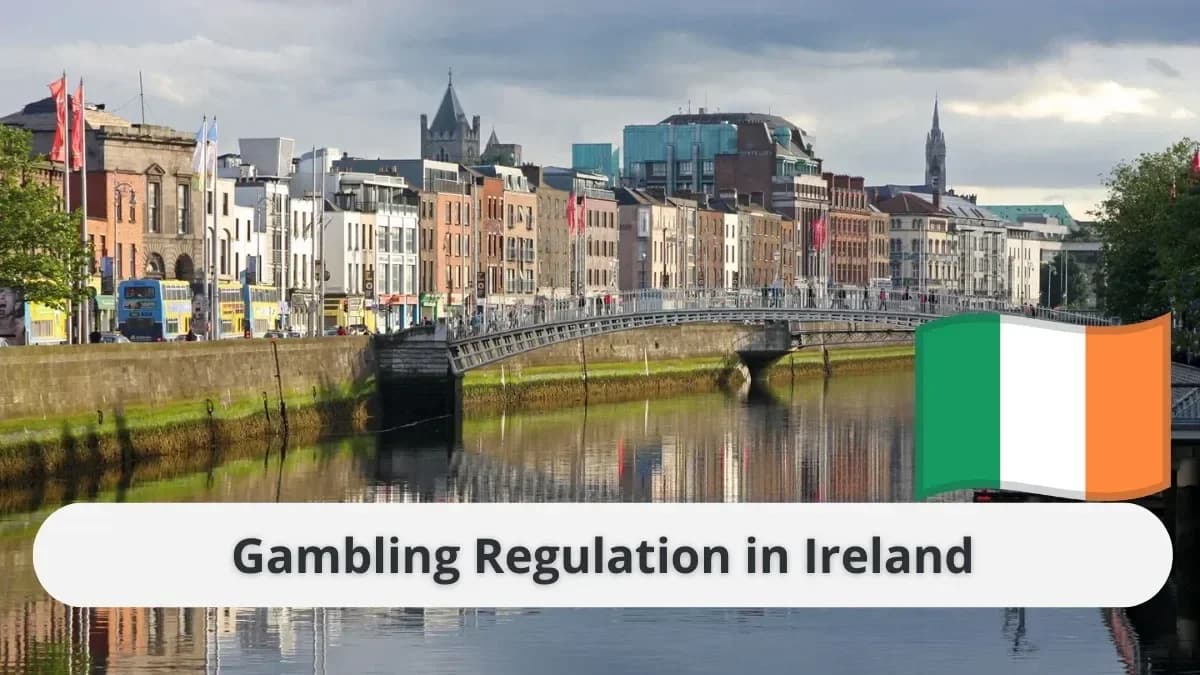
Ireland's gambling industry faces its most significant regulatory transformation in decades as the Gambling Regulatory Authority of Ireland (GRAI) assumes control over a previously fragmented oversight system. Established in 2024 under the Gambling Regulation Act 2024, this new statutory body consolidates licensing, supervision, and enforcement across gambling, betting, gaming, and certain lottery activities into a single national framework.
The establishment of GRAI represents a fundamental shift from Ireland's historical approach to gambling regulation, moving from multiple licensing authorities to centralised oversight designed to strengthen consumer protection and modernise regulatory standards.
The Gambling Regulatory Authority of Ireland operates as an independent statutory public body, structured to ensure regulatory decisions remain free from commercial influence and operator pressure. This institutional design reflects Ireland's commitment to treating gambling regulation as both an economic oversight function and a public interest mandate.
Regulatory Foundation
The GRAI derives its authority from the Gambling Regulation Act 2024, which establishes Ireland's first comprehensive national gambling regulatory framework
GRAI's governance model centres on an Authority composed of a Chairperson and appointed members, bringing together expertise across regulation, law, finance, public administration, and public health. Paul Quinn serves as Chairperson, providing institutional leadership and external representation.
The Authority's structure incorporates several key governance elements:
This governance framework positions the GRAI to regulate gambling activities through a lens that considers not only market dynamics but also social protection and public health implications.
Ireland's approach combines strategic oversight with operational independence, ensuring regulatory powers are applied consistently without commercial influence
Licensing under Ireland’s gambling regulatory framework
Ireland's regulatory transformation operates through a structured transition phase rather than an immediate wholesale transfer of powers. This phased approach ensures regulatory continuity while gradually consolidating authority under the GRAI.
During the transition period, existing licensing authorities continue their operations:
| Current Authority | Licensing Responsibility |
|---|---|
| Revenue Commissioners | Betting licences |
| An Garda Síochána | Gaming permits |
| District Courts | Local gambling approvals |
| Department of Finance | Certain lottery activities |
This dual regulatory structure prevents disruption to licensed operators while the new framework becomes fully operational. The gradual implementation reflects Ireland's prioritisation of market stability during regulatory reform.
The Gambling Regulation Act 2024 establishes three fundamental principles guiding GRAI's regulatory approach:
Principle 1: Fair and Safe Operations
Ensuring gambling takes place in a fair and safe manner across all licensed activities
Principle 2: Harm Prevention
Addressing and preventing problem gambling and gambling-related harm through proactive measures
Principle 3: Crime Prevention
Preventing gambling from becoming a source of crime or criminal activity
These principles integrate consumer protection, market integrity, and social safeguarding into Ireland's regulatory framework, positioning gambling oversight as a comprehensive public policy function.
The GRAI's authority encompasses a broad range of gambling activities, reflecting the Act's intention to create comprehensive oversight across Ireland's gambling market.
Ireland's regulatory scope includes both online and offline gambling formats:
100%
Unified oversight for major gambling formats
3
Core regulatory principles
2,024
Year of establishment
This comprehensive scope addresses regulatory gaps that previously existed under Ireland's fragmented system, ensuring consistent standards regardless of delivery channel or operational format.
Not all gambling-related activities fall under GRAI authority. Key exclusions include:
Regulatory Boundaries
The National Lottery remains regulated separately from GRAI oversight, maintaining its existing regulatory structure.
Lottery fundraising conducted by political parties is explicitly excluded from the Authority's remit under statutory provisions.
These exclusions are defined directly in legislation, creating clear boundaries between GRAI-regulated activities and those subject to separate oversight mechanisms.
Warning
The National Lottery remains regulated separately from GRAI oversight, maintaining its existing regulatory structure. Lottery fundraising conducted by political parties is explicitly excluded from the Authority's remit under statutory provisions.
Ireland implements a three-tier licensing model that distinguishes between operators, suppliers, and non-commercial entities within the gambling ecosystem. This structure reflects the different roles and risk profiles across the gambling supply chain, similar to regulatory frameworks being developed across European markets.
B2C licences serve as the primary access point to Ireland's regulated gambling market, covering operators providing services directly to consumers.
| Licence Category | Authorised Activity |
|---|---|
| In-Person Betting Licence | Betting from physical premises, including pool betting |
| Remote Betting Licence | Online and telephone betting services |
| Remote Betting Intermediary Licence | Facilitation of betting between persons via platforms |
| In-Person Gaming Licence | Physical premises gaming operations |
| Remote Gaming Licence | Online gaming provision |
| In-Person Lottery Licence | Physical lottery operations |
| Remote Lottery Licence | Remote lottery services |
Transition Limitation
Combined in-person and remote licences are not yet available due to the ongoing transition from existing regulatory frameworks. Such combined licence types may be introduced once the new system is fully operational.
Each B2C licence category carries distinct compliance obligations and creates continuous regulatory relationships, with operators subject to ongoing monitoring and enforcement throughout the licence duration.
| Licence Category | Authorised Activity |
|---|---|
| In-Person Betting Licence | Betting from physical premises, including pool betting |
| Remote Betting Licence | Online and telephone betting services |
| Remote Betting Intermediary Licence | Facilitation of betting between persons via platforms |
| In-Person Gaming Licence | Physical premises gaming operations |
| Remote Gaming Licence | Online gaming provision |
| In-Person Lottery Licence | Physical lottery operations |
| Remote Lottery Licence | Remote lottery services |
B2B licensing extends regulatory oversight to gambling service providers and suppliers, reflecting Ireland's intent to regulate the complete gambling ecosystem rather than only consumer-facing operators.
B2B licensing requirements may apply to providers of:
Compliance Strategy
B2B licensees must demonstrate compliance with GRAI-approved standards, ensuring technical integrity and consumer safeguards are embedded across all operational layers
This comprehensive approach reduces systemic risk and limits opportunities for regulatory avoidance, particularly important in online and cross-border gambling environments.
The third licensing tier addresses charitable and philanthropic gambling activities, subject to specific statutory conditions and thresholds.
Small-scale lotteries remain exempt from licensing requirements provided they meet strict criteria:
| Threshold Category | Statutory Limit |
|---|---|
| Prize values | Maximum amounts specified |
| Ticket pricing | Upper limits defined |
| Ticket volume | Total issuance caps |
| Frequency | Operation frequency restrictions |
| Profit prohibition | No personal financial gain |
Where activities exceed these thresholds, charitable or philanthropic licences become mandatory.
Warning
Applications for charitable gambling licences are not expected to open in 2026. Charitable organisations are expected to continue operating under the existing permit system until further notice.
Current Status
Applications for charitable gambling licences are not expected to open in 2026. Charitable organisations are expected to continue operating under the existing permit system until further notice.
Social protection represents a central pillar of GRAI's regulatory mandate, with harm prevention measures embedded directly into the Authority's statutory functions rather than treated as supplementary policy tools. This approach aligns with responsible gambling initiatives across European jurisdictions.
The GRAI operates the National Gambling Exclusion Register, providing individuals with a mechanism to exclude themselves from gambling activities across all licensed operators. This register functions as a core consumer protection tool, supported by operator compliance obligations.
Ireland's regulatory framework includes comprehensive controls over gambling advertising, marketing practices, and promotional inducements. These measures aim to prevent gambling-related harm through exposure management and responsible advertising standards.
Key protective measures include:
Credit Card Prohibition
Banning gambling with credit cards represents a fundamental consumer protection measure, reducing financial harm risks associated with debt-financed gambling
Warning
Banning gambling with credit cards represents a fundamental consumer protection measure, reducing financial harm risks associated with debt-financed gambling
The Authority establishes a Social Impact Fund to support research, education, and prevention initiatives related to gambling addiction and associated social risks. This fund represents Ireland's commitment to evidence-based harm prevention rather than purely reactive regulatory responses.
Ireland's approach combines enforcement with prevention, ensuring consumer protection operates alongside licensing and market oversight rather than as an afterthought
The GRAI operates under a graduated enforcement framework designed to promote compliance while maintaining proportionate sanctioning capabilities. This approach reflects Ireland's intent to balance regulatory oversight with market stability, similar to approaches seen in Dutch KSA enforcement strategies.
Ireland's enforcement system allows proportionate responses to regulatory breaches, escalating from corrective measures to punitive sanctions based on severity and recurrence.
| Enforcement Level | Available Measures |
|---|---|
| Corrective | Formal warnings, guidance provision |
| Conditional | Additional licence conditions, condition amendments |
| Restrictive | Licence suspension, operational limitations |
| Terminal | Licence revocation, market exclusion |
| Financial | Monetary penalties, administrative fines |
The Authority maintains ongoing compliance monitoring across all licensed activities, extending beyond basic licensing requirements to encompass:
Warning
Where serious or repeated breaches occur, the Authority may escalate enforcement action, including prosecution where permitted by law, ensuring regulatory standards are maintained across Ireland's gambling market
This comprehensive monitoring approach positions licensing as a continuous regulatory relationship rather than a one-time market entry approval, maintaining ongoing accountability throughout the licence duration.
Ireland's regulatory framework addresses the complexities of online and cross-border gambling through comprehensive remote gambling provisions. The GRAI's authority extends to all remote gambling activities targeting Irish consumers, regardless of operator location.
Both B2C and B2B remote gambling operations require specific licensing under Ireland's framework:
Cross-Border Compliance
Remote gambling licensing ensures Irish consumer protections apply regardless of operator jurisdiction, closing regulatory gaps in cross-border gambling markets
This comprehensive approach to remote gambling regulation positions Ireland alongside European jurisdictions implementing modern digital gambling oversight.
The GRAI maintains its official presence at grai.ie, providing regulatory information, licensing guidance, and public communications. This digital infrastructure supports transparent regulatory operations and facilitates industry engagement with the new framework.
The Gambling Regulatory Authority of Ireland was established in 2024 under the Gambling Regulation Act 2024, with regulatory powers being introduced on a phased basis as the framework becomes fully operational.
No. While GRAI regulates most gambling activities, the National Lottery and certain political lottery fundraising activities remain outside its remit under Irish law.
Not yet. Ireland is currently in a managed transition period, with existing licensing authorities continuing operations until the new system becomes fully operational.il all relevant provisions of the Gambling Regulation Act 2024 are commenced.
The GRAI may issue warnings, impose additional licence conditions, suspend or revoke licences, and impose financial penalties, with enforcement measures escalating based on breach severity and recurrence.
The establishment of GRAI represents more than administrative reorganisation – it signals Ireland's alignment with contemporary European regulatory approaches emphasising centralised oversight, enhanced consumer protection, and comprehensive digital gambling regulation.
Ireland's regulatory transformation addresses several strategic objectives simultaneously. The unified framework eliminates regulatory gaps that existed under the previous fragmented system, while the phased implementation approach ensures market stability during transition. The comprehensive scope covering both online and offline activities positions Ireland to address cross-border gambling challenges effectively.
The integration of harm prevention measures directly into the regulatory framework, rather than treating them as supplementary policies, distinguishes Ireland's approach from purely economic regulatory models. This preventive focus, combined with the Social Impact Fund and National Gambling Exclusion Register, creates a comprehensive consumer protection infrastructure.
The three-tier licensing model extending to B2B providers reflects Ireland's recognition that effective gambling regulation requires oversight of the complete supply chain, not just consumer-facing operators. This approach reduces systemic risks and regulatory avoidance opportunities, particularly important in digital gambling environments.
Ireland's graduated enforcement framework balances compliance promotion with effective sanctioning, supporting legitimate operators while maintaining strong deterrent effects against regulatory breaches. This proportionate approach encourages voluntary compliance while preserving robust enforcement capabilities.
According to We-Right Factory.
Legal Disclaimer
This content reflects a general overview of regulatory frameworks based on publicly available information. It does not constitute legal advice or a legal opinion. iGamingWriter.blog disclaims any liability arising from reliance on this material.
Finland becomes the last EU member state to abandon exclusive online gambling monopoly, with new multi-licensing framework taking effect in July 2027.
EveryMatrix has secured regulatory approval to supply its turnkey platform technology in South Africa as the company builds its African customer pipeline.

Malta Gaming Authority urges gaming operators to engage with AMLA's consultations on new EU anti-money laundering technical standards affecting the sector.
Get regulation updates, content insights, and market news delivered to your inbox every week.
No spam. Unsubscribe anytime.
