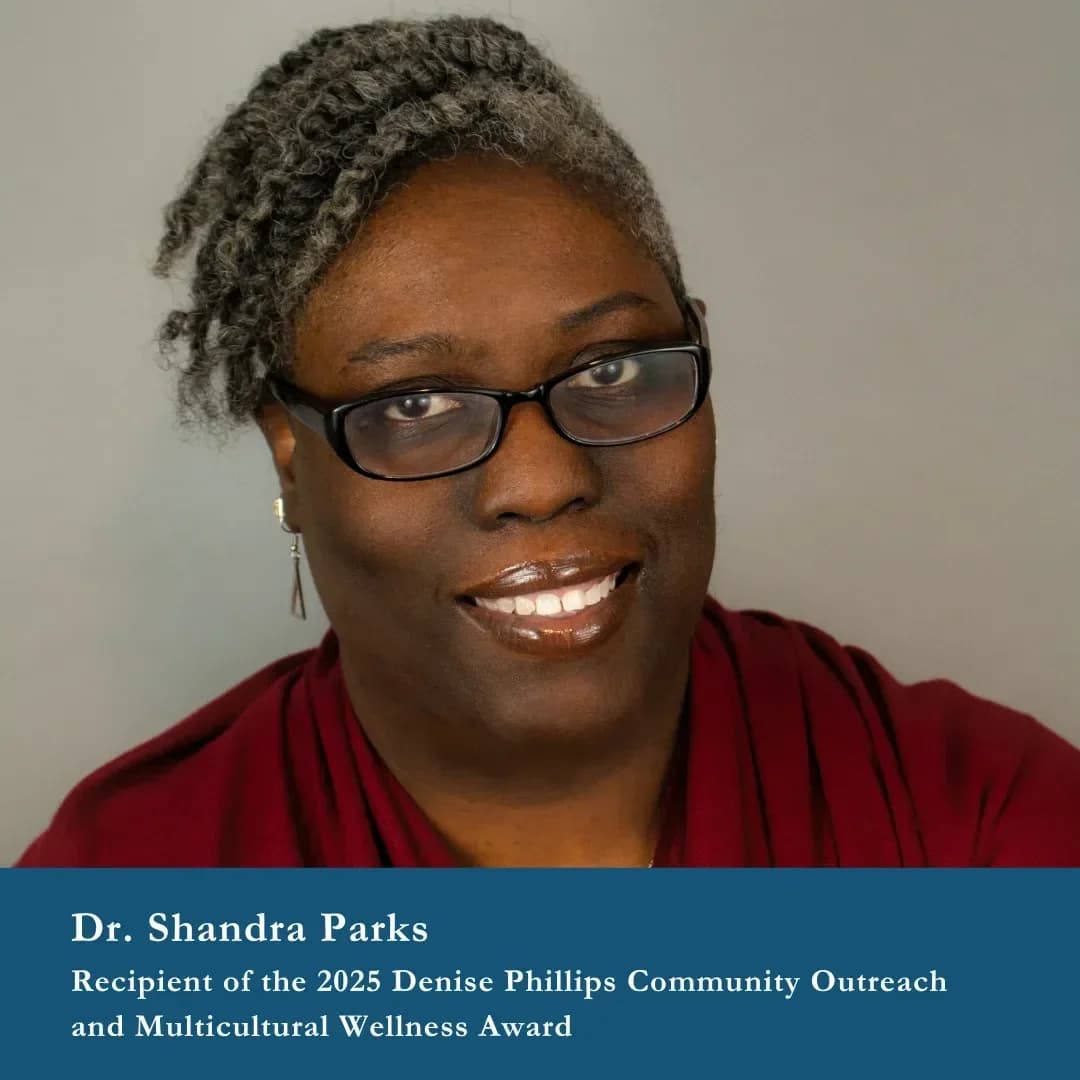
The National Council on Problem Gambling (NCPG) has recognized a Maryland social worker's groundbreaking approach to multicultural problem gambling prevention, spotlighting how culturally responsive strategies can expand access to critical wellness resources in traditionally underserved communities.
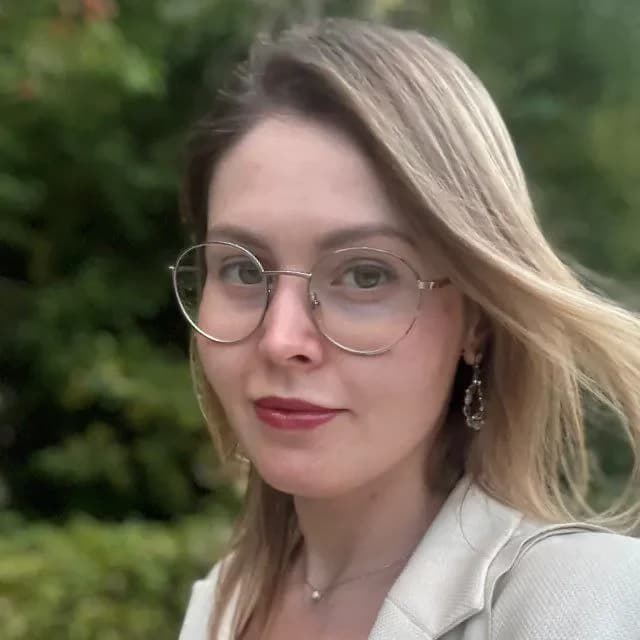
Dr. Shandra Parks, PhD, LMSW, CFSW, CCGSO, received the Denise Phillips Community Outreach and Multicultural Wellness Award in 2025, honoring her sustained commitment to advancing problem gambling awareness in multicultural communities. The annual award recognizes leaders who demonstrate extraordinary dedication to multicultural engagement and community outreach.
As President of the Maryland Council on Problem Gambling (MCPG), Dr. Parks has dedicated over two decades to community service, evolving from child welfare and ministry wellness to focus on problem gambling awareness. Her work specifically targets communities experiencing health disparities, financial hardship, and long-term trauma impacts, ensuring prevention efforts are delivered with cultural humility and relevance.
Faith-Based Foundation Shapes Prevention Philosophy
Dr. Parks' entry into problem gambling work began through training at the Maryland Center of Excellence on Problem Gambling, where she encountered the concept of viewing treatment and recovery through a faith-based lens. This experience illuminated connections between spirituality, community, culture, and gambling-related harm.
Through community conversations, she observed how gambling was often normalized while problem gambling remained rarely discussed openly. Rather than treating problem gambling as an isolated issue, Dr. Parks developed an integrated approach within holistic wellness conversations.
Her strategy recognizes that while individuals may hesitate to seek traditional therapy, they willingly discuss money, safety, and well-being in familiar settings – kitchen tables, faith communities, and everyday spaces. By reframing gambling awareness through financial wellness, cultural appropriateness, and community dialogue, she created stigma-reducing entry points that expand resource access.
Cultural Integration Approach
Dr. Parks' methodology demonstrates how problem gambling prevention becomes more effective when integrated into existing community conversations about financial wellness and holistic health, rather than being treated as an isolated clinical issue.
Board Leadership Drives Representation Initiatives
In her current role as Board President of the Maryland Council on Problem Gambling, Dr. Parks leads with focus on representation, collaboration, and culturally responsive community engagement. She works to expand outreach ensuring problem gambling awareness reaches historically underrepresented communities in prevention and treatment spaces.
Her passion centers on providing faith-based and culturally competent gambling education, equipping clergy, lay ministers, and community leaders with tools to address safer gambling within their communities.
20+
Years Dr. Parks has dedicated to community service
2025
Year Dr. Parks received the Denise Phillips Award
Agility Grant Funds Deaf Community Innovation
Leveraging NCPG's Agility Grant program, Dr. Parks led development of a culturally specific prevention initiative designed for the Deaf and hard-of-hearing community. The project adapted existing problem gambling prevention and education materials, infusing them with values, beliefs, worldviews, language norms, and experiences unique to Deaf culture.
Rather than simply translating existing content, the initiative centered on cultural nuance, recognizing that effective prevention must reflect how a community communicates, builds trust, and understands wellness.
Each PSA incorporates American Sign Language, voiceover, and closed captioning to ensure accessibility while preserving cultural authenticity. Developed in collaboration with trusted Baltimore-based community partners, including local churches, the campaign has since been shared with NCPG Affiliates and prevention organizations nationwide. By integrating prevention science with cultural context, the initiative sets a strong example of how gambling education can be both evidence-informed and community-defined.
"This was a learning opportunity to create culturally relevant content and build trust within marginalized communities that are often overlooked."
— Dr. Shandra Parks on receiving Agility Grant funding
Prevention Design Best Practice
Effective multicultural prevention requires cultural design rather than simple translation. Materials must reflect how communities communicate, build trust, and understand wellness within their own cultural context.
Professional Development and Mentorship Focus
Along with creating culturally responsive programs, Dr. Parks dedicates effort to supporting the next generation of professionals. She encourages new professionals to build strong relationships, find mentors, and obtain specialized certification, especially those wanting to help marginalized and underserved communities.
Dr. Parks believes effective work starts with understanding the needs of the people you serve.
"My advice for the next generation is to look at the needs of the population you serve, integrate gambling into your work, and train the next generation to continue the conversation."
— Dr. Shandra Parks on supporting the next generation of clinicians
She encourages new professionals to stay connected through conference attendance, joining organizations like NCPG, volunteering in their communities, and involvement in policy and advocacy work. She believes lasting progress comes not just from individual skills, but from collaborative efforts to maintain gambling awareness as part of broader public health and community wellness initiatives.
Career Development Strategy
New professionals entering the problem gambling prevention field should prioritize building strong mentorship relationships, obtaining specialized certifications, and maintaining active involvement in policy and advocacy work to create lasting impact.
Advancing Clinical Credentials and Field Vision
Dr. Parks currently works toward her International Certified Gambling Counselor (ICGC-I) credential, which will further strengthen her clinical background as she continues leading problem gambling prevention conversations. She expresses encouragement about growing field enthusiasm and new professionals ready to tackle challenges with creative ideas and new technologies.
"People are excited to be in this space. It's exciting to see the next generation stepping up to embrace these challenges with creativity and technology."
— NCPG
Looking forward, she hopes to see a more complete range of care for people affected by gambling addiction, similar to treatment options available for alcohol and substance use disorders. She supports expanding access to intensive and residential programs that focus on mental, spiritual, financial, and relationship health.
Her vision includes treatment centers where people can take time to reflect and create personal care plans before returning to communities with ongoing support. At the heart of her approach is the belief that gambling treatment should be thorough, flexible, and focused on the whole person.
"Healing from gambling harm means treating the whole person, not just the problem."
— NCPG
Warning
The field currently lacks comprehensive care options for gambling addiction comparable to alcohol and substance use disorder treatments. Industry stakeholders should advocate for expanded access to intensive and residential programs that address mental, spiritual, financial, and relationship health.
NCPG Resources and Support Services
The National Council on Problem Gambling is the only national nonprofit organization that seeks to mitigate gambling-related harm. NCPG is neutral on legalized gambling.
The organization operates the National Problem Gambling Helpline™, which offers hope and help without stigma or shame. Individuals can call 1-800-MY-RESET, text 800GAM, or visit NCPGambling.org/chat. Help is available 24/7 – it is free and confidential.
24/7 Support Available
The National Problem Gambling Helpline offers free, confidential support through multiple channels: call 1-800-MY-RESET, text 800GAM, or visit NCPGambling.org/chat. All services operate 24/7 without stigma or shame.
Cultural Competency Sets Prevention Standard
Dr. Parks' recognition through the Denise Phillips Community Outreach and Multicultural Wellness Award signals growing industry acknowledgment that effective problem gambling prevention requires deep cultural understanding rather than one-size-fits-all approaches. Her work with the Deaf community demonstrates how prevention materials must be culturally designed, not merely translated.
The faith-based integration strategy she pioneered offers a replicable model for other underserved populations where traditional mental health resources face access barriers. By meeting communities where they are – in familiar spaces with trusted messengers – prevention efforts can achieve broader reach and deeper engagement.
For compliance officers and operators expanding into diverse markets, Dr. Parks' community-centered methodology provides a framework for responsible gambling initiatives that respect cultural norms while maintaining effectiveness. Her emphasis on training community leaders rather than relying solely on clinical professionals suggests sustainable, scalable prevention models that could inform industry best practices across jurisdictions.
Dr. Parks integrates problem gambling awareness into holistic wellness conversations within familiar community settings like faith communities and kitchen tables. This reduces stigma and creates more accessible entry points for prevention resources.
Rather than simply translating existing content, the initiative was culturally designed to reflect Deaf community values, communication norms, and worldviews. Each PSA incorporated American Sign Language, voiceover, and closed captioning while preserving cultural authenticity.
Dr. Parks is working toward her International Certified Gambling Counselor (ICGC-I) credential. This will further strengthen her clinical background as she continues leading problem gambling prevention conversations.
She supports expanding access to comprehensive treatment centers where people can take time for reflection and create personal care plans before returning to communities with ongoing support. Her approach focuses on treating mental, spiritual, financial, and relationship health holistically.
Her community-centered approach provides a framework for meeting diverse populations where they are, using trusted messengers and familiar spaces. This methodology respects cultural norms while maintaining prevention effectiveness across different jurisdictions.
According to National Council on Problem Gambling.