How self-regulation works in the iGaming industry – industry bodies, codes of conduct, internal standards, and frameworks that shape responsible operations and content practices.
Industry association warns that adding EU levy to existing national gambling taxes would create competitive advantage for unlicensed operators.
Self-regulation plays a critical role in how the iGaming industry operates alongside formal regulation. Beyond legal requirements, many markets rely on industry standards, voluntary frameworks, and internal policies that shape how companies design products, communicate with users, and manage risk.
This section focuses on how self-regulation actually works in practice – not as abstract principles, but as operational systems that influence content, marketing, compliance workflows, and long-term market trust.
This section is intended for iGaming professionals working with content, compliance, marketing, or product strategy who need to understand how industry standards shape expectations beyond legal rules – and how self-regulation influences responsible market participation.
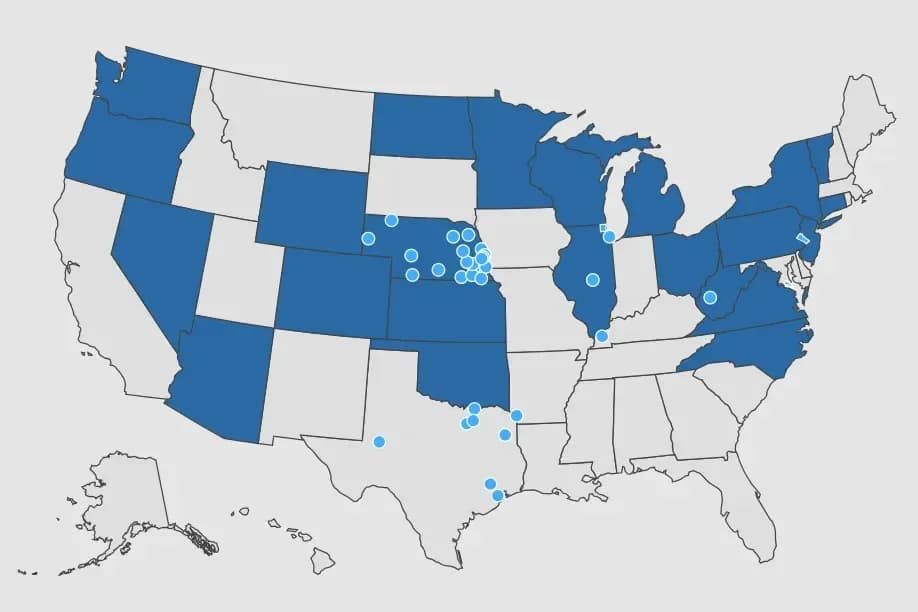
Mike Sciandra's year-long campaign resulted in 20 official PGAM proclamations across Nebraska, demonstrating the power of lived experience in advocacy.