Loading...
Finland's President Alexander Stubb has approved legislation ending the country's online gambling monopoly, completing the EU's transition to competitive markets.

Mar 7, 2026 · 6 min read
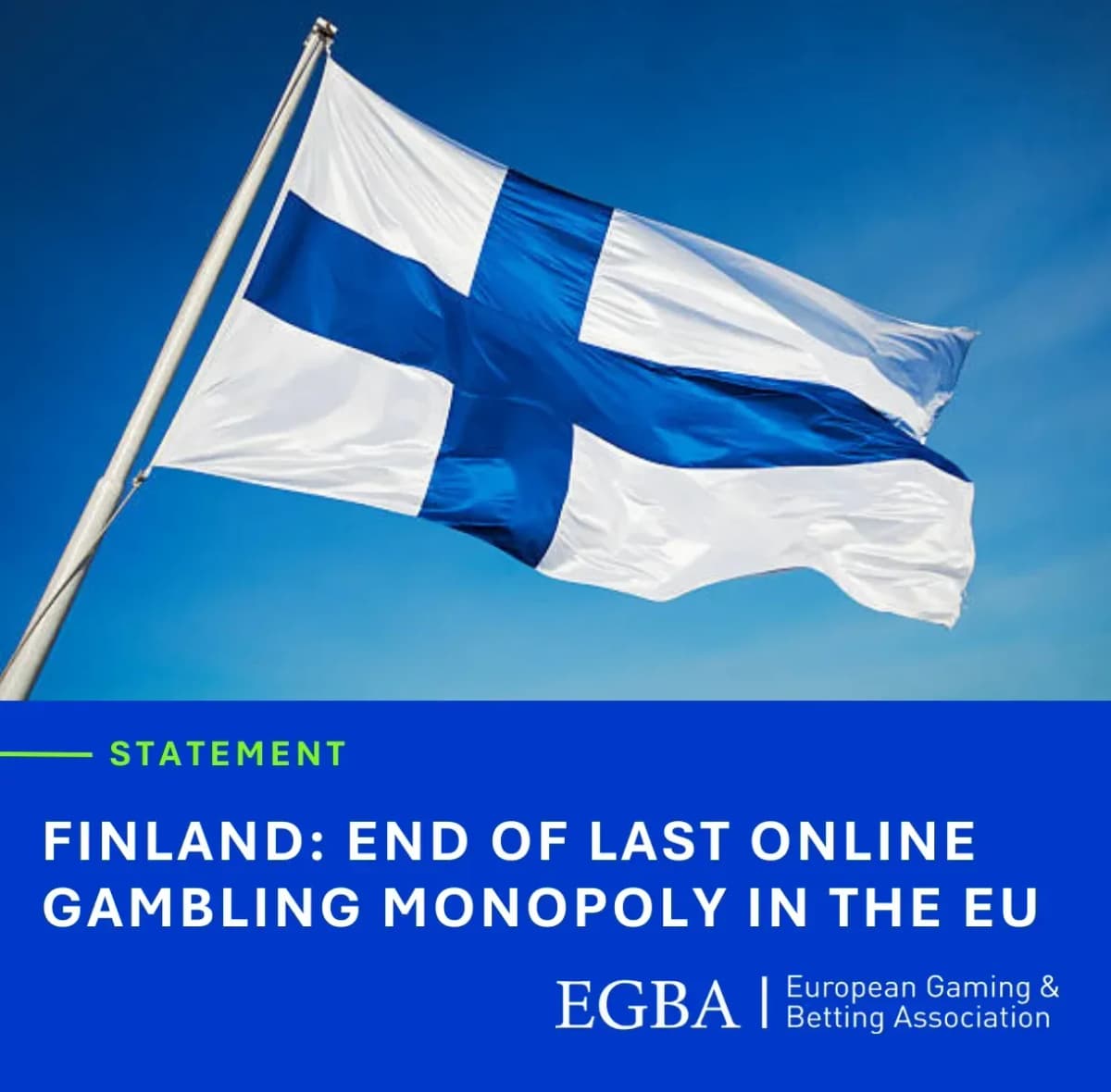
Finland has officially become the final European Union member state to abandon its exclusive online gambling monopoly, marking a watershed moment for the continent's regulatory landscape. President Alexander Stubb recently approved legislation that will terminate Veikkaus's state-controlled monopoly, with the new multi-licensing framework taking effect on 1 July 2027.
The legislative change received overwhelming parliamentary support, with 95% of Finnish lawmakers backing the transition. This decisive vote represents not just a national policy shift, but the completion of decades-long evolution toward competitive gambling markets across the EU.
With Finland's transition, every EU member state that regulates online gambling now operates under a multi-licensing system. This milestone validates the regulatory philosophy that competitive, well-regulated markets deliver superior consumer protection and public policy outcomes compared to monopolistic structures.
The European Gaming and Betting Association (EGBA), which has advocated for Finnish licensing reform for years, welcomed the development as confirmation of multi-licensing's proven effectiveness. Even Veikkaus, the state-owned operator losing its exclusive position, supported the legislative change – recognizing the benefits of competitive markets and level playing fields.
"We're pleased that Finland has finally moved to a multi-licensing system for online gambling. The momentum towards multi-licensing in Europe is now complete."
— Maarten Haijer, Secretary General of EGBA
"Governments have concluded that public policy objectives, particularly related to consumer protection, are more effectively met through well-regulated online competition fostered by multi-licensing."
— Maarten Haijer, Secretary General of EGBA
95%
Parliamentary Support for Finnish Reform
July 1, 2027
Multi-licensing Implementation Date
21
European Countries with EGBA Members
321
Online Gambling Licences Held by EGBA Members
30%
Share of Europe's Online Gambling Revenue
While the EU has achieved universal multi-licensing adoption, significant regulatory challenges remain in neighbouring territories. Norway and Iceland continue operating fully exclusive monopoly systems, creating what industry experts view as suboptimal frameworks that drive consumers toward unregulated black market alternatives.
The persistence of monopolistic structures outside the EU highlights ongoing regulatory fragmentation across Europe. These systems, according to EGBA analysis, fail to channel player demand effectively toward regulated operators, resulting in lost tax revenues and diminished consumer protections.
"Similar deliberations about licensing are inevitable in Norway and Iceland – it's only a matter of time."
— Maarten Haijer, Secretary General of EGBA
Market Implementation Timeline
Finland's new multi-licensing framework will take effect on July 1, 2027, providing a three-year implementation window for operators and regulators. This timeline allows adequate preparation for market entry while ensuring thorough understanding of Finnish regulatory requirements and consumer preferences.
Finland's regulatory evolution comes amid growing concerns about Europe's expanding black market for online gambling. Industry stakeholders emphasize that comprehensive multi-licensing systems represent the most effective tool for combating illegal operators and protecting consumers.
The transition requires more than legislative approval – successful implementation demands robust frameworks that cover all gambling products and effectively redirect players from unregulated alternatives. Countries maintaining product-specific monopolies or restrictions continue facing challenges in achieving complete market channeling.
"With nearly 20 years of regulatory experience in Europe, it's clear that full multi-licensing, for all products, offers the best pathway to create a well-regulated, competitive and consumer-centric market. This approach enhances consumer protection, increases tax revenues, and ensures stronger regulatory control of the market."
— Maarten Haijer, Secretary General of EGBA
Regulatory Best Practices
Successful multi-licensing implementation requires comprehensive frameworks covering all gambling products to effectively redirect players from unregulated alternatives. Countries maintaining product-specific monopolies continue facing challenges in achieving complete market channeling toward regulated operators.
The Brussels-based trade association represents leading online gambling operators across 21 European countries, collectively holding 321 online gambling licences. These member companies account for approximately 30% of Europe's online gambling gross gaming revenue, demonstrating the significant market presence of regulated operators within multi-licensing jurisdictions.
Beyond licensing compliance, EGBA members adhere to industry standards covering responsible advertising, anti-money laundering protocols, and player protection measures. The organization also coordinates the annual European Safer Gambling Week, bringing together stakeholders to promote sustainable gambling practices.
Finland's transformation demonstrates that even countries with deeply entrenched monopoly traditions can successfully modernize their gambling frameworks for the digital era. The overwhelming parliamentary support suggests broad political consensus around competitive market benefits.
The Finnish case study provides valuable insights for remaining monopolistic jurisdictions, illustrating how evidence-based policy making can overcome institutional resistance to change. As European gambling regulation continues maturing, the trend toward comprehensive multi-licensing appears irreversible.
For operators and compliance professionals, Finland's upcoming market opening presents both opportunities and challenges. The three-year implementation timeline allows adequate preparation for market entry, but success will require thorough understanding of Finnish regulatory requirements and consumer preferences. The completion of EU-wide multi-licensing adoption strengthens arguments for similar reforms in neighboring countries, potentially accelerating regulatory harmonization across the broader European Economic Area. Industry observers expect increased pressure on remaining monopolistic systems as competitive advantages become more apparent.
Finland becomes the final EU member state to abandon its exclusive online gambling monopoly, completing the continent's universal adoption of multi-licensing systems. This milestone validates that competitive, well-regulated markets deliver superior consumer protection compared to monopolistic structures.
Norway and Iceland continue operating fully exclusive monopoly systems outside the EU. These frameworks are viewed as suboptimal by industry experts as they drive consumers toward unregulated black market alternatives.
The completion of EU-wide multi-licensing adoption strengthens arguments for similar reforms in neighboring countries, potentially accelerating regulatory harmonization across the European Economic Area. Industry observers expect increased pressure on remaining monopolistic systems as competitive advantages become more apparent.
According to European Gaming and Betting Association.
Over half of Dutch people feel uncomfortable discussing gambling addiction, despite nearly half gambling regularly, according to new Kansspelautoriteit research.
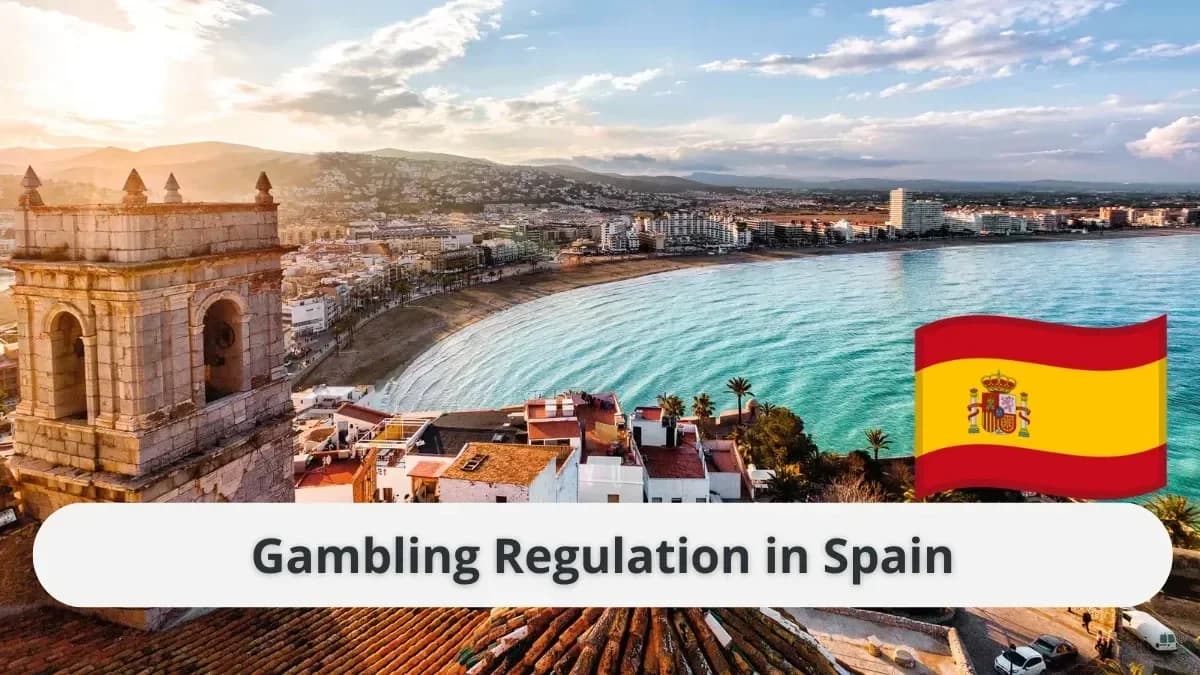
Spain's centralized gambling regulation through DGOJ creates clear jurisdictional divisions between national online gaming oversight and regional land-based venue control.
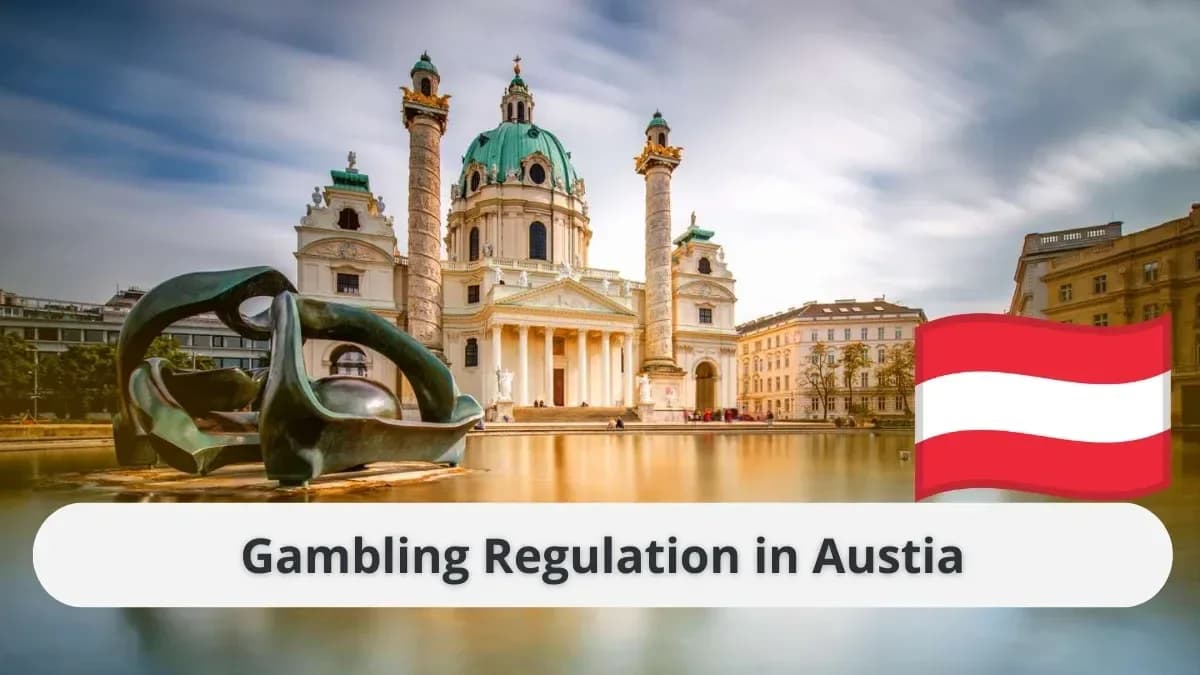
Austria maintains one of Europe's most centralized gambling frameworks, with the Federal Ministry of Finance controlling all licensing and just two operators authorized nationwide.
Get regulation updates, content insights, and market news delivered to your inbox every week.
No spam. Unsubscribe anytime.
